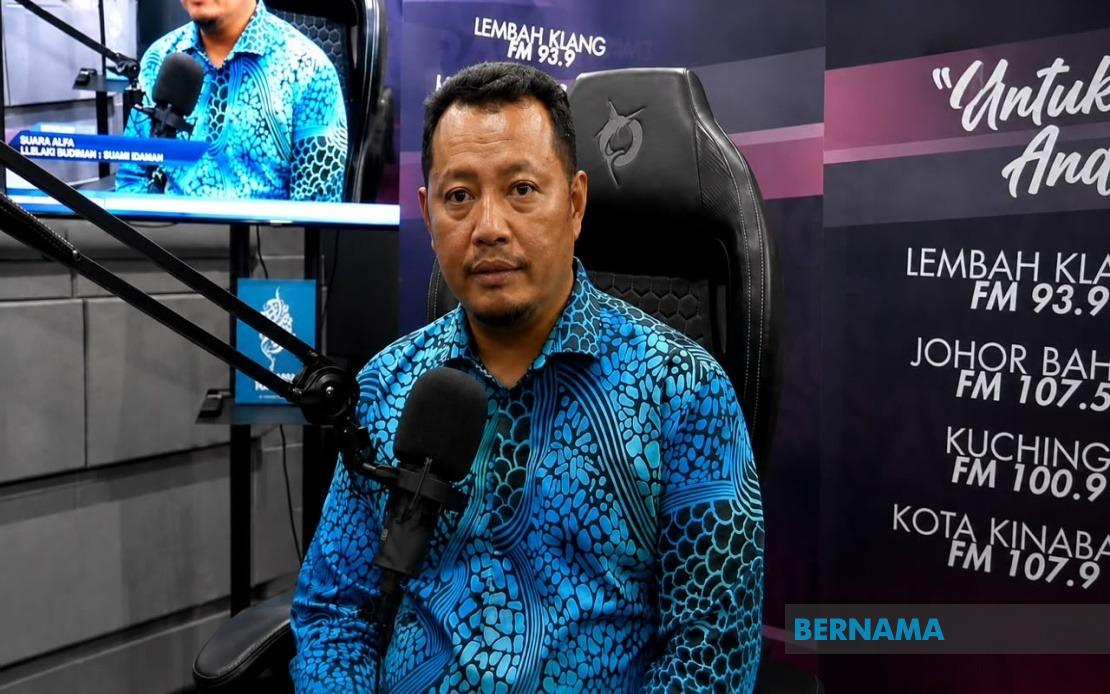
The traits that distinguish a responsible man must be cultivated during the formative years of childhood and adolescence, according to Malaysia's National Population and Family Development Board (LPPKN). Speaking on a recent Bernama Radio programme titled "Lelaki Budiman: Suami Idaman," Md Noh Saiman, chief assistant director of LPPKN's Counselling and Intervention Unit, underscored that the journey towards becoming a conscientious husband and family member begins long before adulthood and hinges fundamentally on how parents guide their children through life's early stages.
The foundation for masculine responsibility rests squarely with parenting approaches and the everyday conduct that children witness from their mothers and fathers. Children absorb far more through observation than through explicit instruction, Md Noh explained, meaning that parents who model integrity, dedication to family welfare, and collaborative approaches to household responsibilities inadvertently teach their sons the same values. This observation-based learning occurs continuously and organically throughout a child's development, embedding these behavioural patterns deep within their psychological framework long before they themselves become parents.
The modern conception of a gentleman, Md Noh stressed, extends considerably beyond superficial displays of politeness or romantic gestures. True gentlemanly conduct encompasses a deeper moral foundation built on genuine sincerity, unwavering honesty, and a willingness to assume family responsibilities without expecting recognition or public acclaim for doing so. This distinction matters significantly because it separates those who merely perform courtesy from those who possess authentic character shaped by genuine conviction about the importance of family contribution and mutual respect.
In practical terms, Md Noh pointed to concrete ways that husbands can meaningfully support their wives within the household sphere. Actively participating in childcare, managing household chores, and contributing to family administration are not merely practical divisions of labour but represent genuine partnership. When men embrace these roles, they enable their wives to pursue professional ambitions and personal development with greater confidence and reduced stress, fundamentally empowering women to achieve their potential across all life domains.
LPPKN's Lelaki Idaman Programme, which recognises outstanding men in Malaysian society, serves a dual purpose that extends beyond celebrating existing male role models. The initiative also functions as a catalyst for self-improvement, welcoming men who recognise shortcomings in their current behaviour and genuinely wish to evolve. The programme tacitly acknowledges that personal transformation remains possible at any life stage for those demonstrating the maturity to acknowledge areas requiring development.
Maturity in manhood manifests partly through the ability to receive constructive criticism without defensiveness or ego-driven reactions. A truly responsible man recognises feedback as an opportunity for growth, evaluating the merit of observations independently of who delivers them. This psychological flexibility distinguishes those capable of genuine self-improvement from those who struggle with personal development due to pride or inflexibility. Such openness to critical input becomes increasingly important given the complex interpersonal dynamics within modern families.
The digital age has introduced unprecedented complications into how Malaysians conceptualise ideal manhood. Social media platforms and online content now shape public expectations about gentlemanly qualities, often promoting superficial or unrealistic standards that diverge from grounded, authentic masculinity. Both men and women navigate constant exposure to curated images and narratives online that may distort their understanding of what constitutes genuinely responsible behaviour in relationships and family settings. These digital influences permeate social consciousness in ways previous generations never experienced, creating additional challenges for parents attempting to transmit traditional values.
The cultivation of responsible manhood connects inextricably to the health of family institutions more broadly. When men actively support their partners and embrace collaborative approaches to family life, they contribute fundamentally to creating households characterised by harmony, mutual respect, and genuine partnership. This ripple effect extends beyond individual families to strengthen social cohesion across Malaysian society. Conversely, when men fail to develop these qualities, family instability and stress proliferate, with consequences affecting children's own future relationship patterns and societal wellbeing.
For Malaysian policymakers and educators, Md Noh's perspective underscores the necessity of early intervention in character development. Schools, community organisations, and government agencies should collaborate to reinforce positive masculine models and provide frameworks through which young males internalise responsibility, empathy, and collaborative values. Without such coordinated efforts, default influences—whether social media, peer pressure, or inconsistent parental guidance—will determine how an entire generation of Malaysian men conceptualises their roles within families and society.

