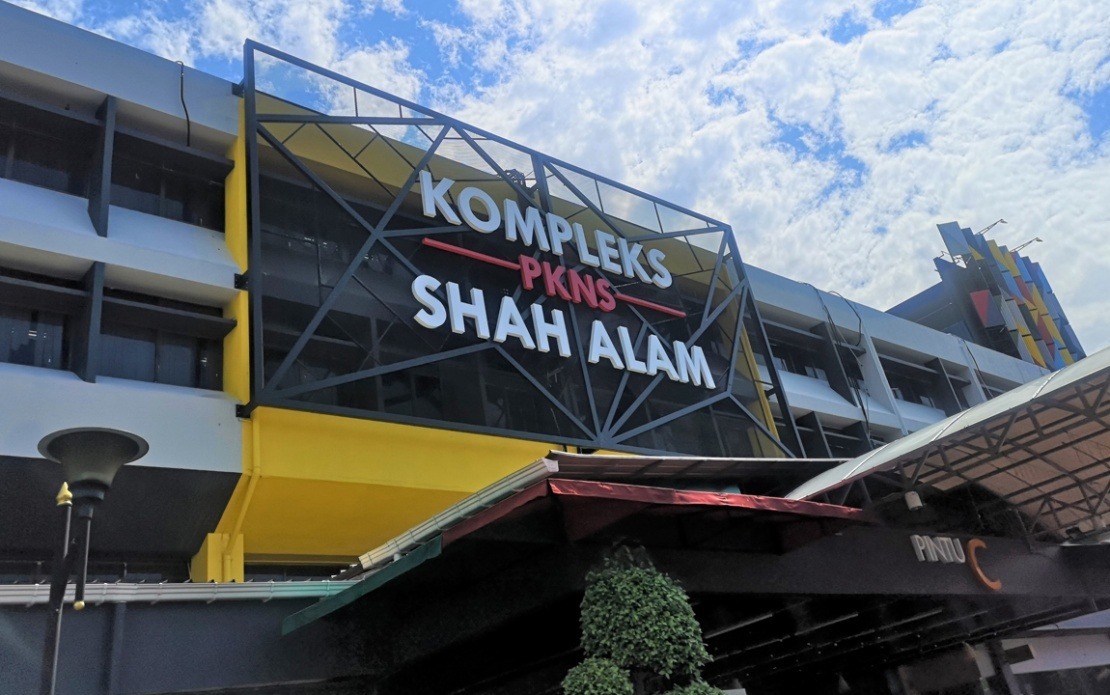
The Selangor State Development Corporation (PKNS) has cleared the Shah Alam PKNS Complex to reopen for business after authorities completed comprehensive safety assessments and remedial work stemming from a fire that broke out at the facility on the afternoon of July 2. The complex, a significant commercial hub in the Klang Valley region, resumed normal operations on July 3 once all required protocols had been satisfied and facility management confirmed the building was secure for occupants and visitors.
Initial findings from the building's facility management team traced the fire's origin to an Air Cooled Package Unit (ACPU) panel situated within an Air Handling Unit (AHU) room on the first floor. The incident triggered immediate responses from on-site personnel, who implemented established emergency protocols designed to protect the thousands of people who work and conduct business within the complex daily. As a precautionary measure, electricity supply and air-conditioning systems serving the affected zone were immediately shut down to prevent further spread and ensure structural integrity.
The facility's emergency response procedures functioned as intended, with management issuing a building-wide evacuation order for Phase 1 through the public address system. This systematic approach enabled staff and visitors to exit safely and in an orderly manner, reflecting the effectiveness of regular safety drills and staff training programs that commercial complexes of this scale are required to maintain. The swift evacuation and controlled response appear to have been critical factors in preventing panic and ensuring no injuries occurred during the incident.
Responding units from the Selangor Fire and Rescue Department arrived rapidly and demonstrated considerable efficiency in containing the blaze before it could advance to adjacent areas of the building. Personnel managed to extinguish the fire within a relatively brief timeframe, a testament to both the emergency services' capabilities and the structural design features that compartmentalise fire risk within modern commercial buildings. The department's ongoing investigation aims to establish the precise technical cause of the panel failure, information that will likely inform maintenance protocols across similar facilities operating in Selangor and beyond.
Selangor JBPM Assistant Director of Operations Ashrul Riezal Asbar provided confirmation that the fire had been brought under control without loss of life or serious injury. This statement carried particular significance for the thousands of individuals employed at the complex and their families, as well as for the numerous businesses and government offices operating within the facility. The absence of casualties represented a best-case scenario for an incident of this nature and underscored the importance of rigorous safety infrastructure in high-occupancy commercial environments.
The Shah Alam PKNS Complex occupies a vital position in Selangor's commercial ecosystem, serving as a meeting point for government agencies, private companies, and service providers. The brief operational disruption, while necessary for public safety, nevertheless carried economic implications for tenants and businesses dependent on uninterrupted access. PKNS's decision to conduct thorough inspections before reopening, rather than rushing to resume operations prematurely, demonstrated a prioritisation of safety over short-term commercial considerations—an approach that builds public confidence in the facility's management standards.
The incident also highlights the importance of preventive maintenance in large building systems, particularly those involving electrical and mechanical components operating in the intense tropical climate of Malaysia. Air-handling and cooling systems in commercial complexes face constant demand and exposure to environmental stressors, making regular inspections and component testing essential to prevent failures that could create fire hazards. Building owners and facility managers across the region may use this incident as a catalyst for reviewing their own maintenance schedules and inspection protocols.
For Malaysian businesses and government agencies with offices in the complex, the incident served as a practical demonstration of emergency preparedness in action. The fact that evacuation procedures worked smoothly and that no injuries resulted from the fire offers reassurance about the facility's commitment to occupant safety. However, it also underscores the need for continued vigilance, regular safety awareness training, and periodic updates to emergency procedures as operational conditions and tenant occupancy patterns evolve.
The swift restoration of operations following the fire suggests that damage was confined to the immediate area of the incident, a positive outcome that reflects both the effectiveness of compartmentalisation design and the rapid response of emergency personnel. The investigation being conducted by the Fire Department will ultimately determine whether the incident resulted from a manufacturing defect, maintenance failure, or unforeseen operational circumstance, information that may have broader implications for similar equipment installations throughout the commercial and industrial sectors in Selangor and Malaysia at large.
Moving forward, the incident provides an opportunity for PKNS and other large commercial facility operators to evaluate and strengthen their maintenance programmes, staff training initiatives, and emergency response capabilities. The cooperation between facility management, emergency services, and regulatory authorities in managing this situation exemplifies the kind of coordinated approach needed to maintain safety standards across Malaysia's growing portfolio of complex, high-occupancy commercial infrastructure.

