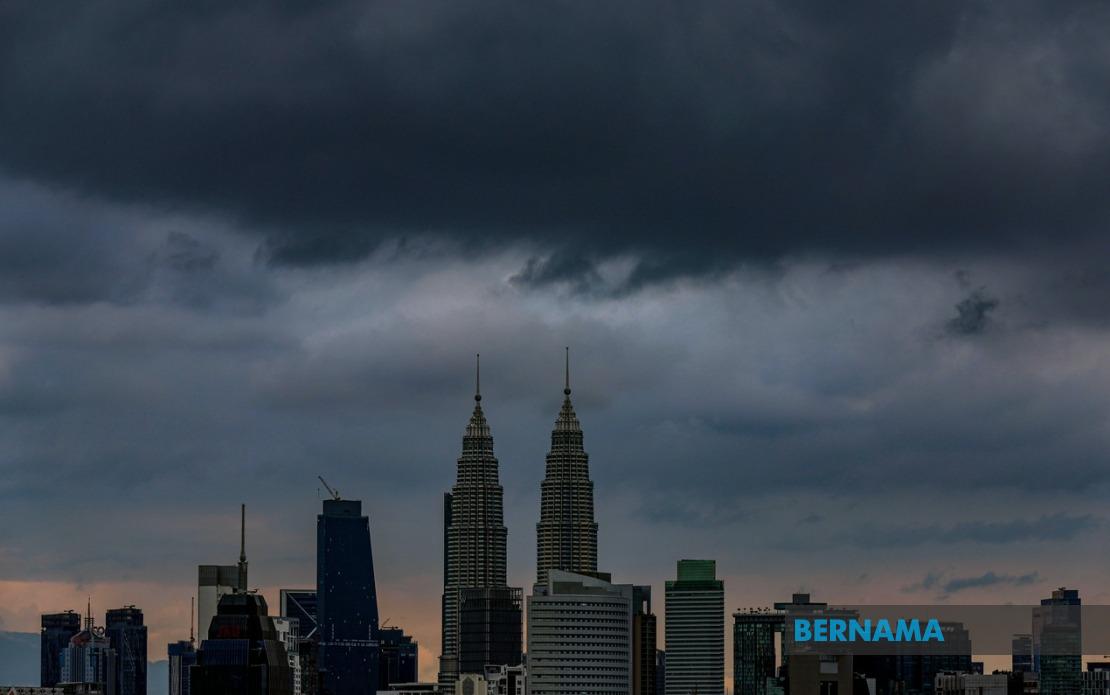
The Malaysian Meteorological Department issued a weather alert on June 28 covering a vast swathe of the peninsula and East Malaysia, warning of thunderstorms paired with heavy precipitation and gusty winds that would persist throughout the afternoon into the early evening. The advisory affects major population centres including Kuala Lumpur and Putrajaya, along with numerous districts across the northern, eastern and central regions of Peninsular Malaysia, plus significant portions of Sabah and Sarawak.
The northern states facing the brunt of this system include Perlis, Penang, and Kedah, where specific districts such as Langkawi, Kubang Pasu, Padang Terap, Kuala Muda and Kulim have been flagged for particularly severe conditions. The warning encompasses most of Perak's population centres, from the highlands of Hulu Perak through to the coastal areas around Bagan Datuk, indicating that the weather disturbance spans considerable distances and elevation ranges. This geographic breadth suggests a significant atmospheric system rather than localised convective activity.
In the east coast region, the impact extends across Kelantan and Terengganu with multiple districts identified as vulnerable zones. Gua Musang in Kelantan joins several Terengganu municipalities including Besut, Setiu, Kuala Nerus, Hulu Terengganu and Dungun in the alert list. Pahang's interior and eastern districts—Cameron Highlands, Raub, Bentong and Rompin—are similarly threatened, while the Selangor warning covers both urban areas around Kuala Lumpur's sprawl and rural districts, including Hulu Selangor, Gombak, Petaling, Kuala Langat, Hulu Langat and Sepang.
The alert's reach into East Malaysia underscores the system's scale and intensity. Sarawak's warning encompasses a geographically diverse selection of divisions: the Kuching Division areas of Bau and Kuching itself, the southwestern district of Serian, Samarahan, Sri Aman and Betong, plus multiple locations in the Sibu, Kapit, Bintulu and Miri divisions. This spread indicates that the weather phenomenon affects both coastal and inland areas across the state, from the populated western corridor to more remote interior regions.
Sabah's affected zones cluster in the interior and eastern sections. Keningau and Tambunan in the Interior Division join Ranau on the West Coast, while the Sandakan Division areas of Telupid, Kinabatangan, Beluran and Sandakan face the same conditions. The inclusion of both highland and lowland districts suggests variable terrain will experience the weather system, though intensity may differ based on geography and local conditions.
Thunderstorms accompanied by heavy rain present multiple hazards for affected communities. Beyond flooding risks in low-lying and drainage-prone areas, the combination of intense rainfall and strong winds can damage infrastructure, disrupt transport networks and create dangerous driving conditions. For residents and travellers in these regions, the afternoon closure of daylight hours means reduced visibility will compound existing hazards, making navigation particularly treacherous during peak commuting periods.
The temporal specificity of the warning—limiting the advisory to conditions expected until 7 pm—suggests meteorological confidence in the system's duration and movement. This precision allows authorities and residents to prepare for a defined period of heightened risk rather than open-ended uncertainty. However, the extensive geographic coverage means coordinating responses across multiple states and federal territories, requiring cooperation between state disaster management agencies, local councils and federal emergency services.
For the Klang Valley and surrounding areas, which include Malaysia's economic heartland and major transport corridors, any weather disruption carries amplified consequences. Flooding on key routes or public transport disruptions during evening rush hour could affect thousands of commuters. Businesses, shopping centres and government offices in the region should prepare contingency plans for staff departures and potential supply chain interruptions if severe weather develops as forecast.
The breadth of the warning—encompassing over a dozen distinct geographic areas from Perlis to Miri—reflects either a large-scale monsoon trough system, a significant low-pressure area or multiple thunderstorm clusters organised along a convergence zone. Such patterns are not uncommon during Malaysia's transition seasons, but their intensity and geographic span warrant public awareness and preparedness. Residents should avoid unnecessary outdoor activities, secure loose items that could become airborne, and monitor local news for updated forecasts as the afternoon progresses.
For Malaysian motorists, the combination of heavy rain and strong winds demands extra caution. Reduced visibility, potential aquaplaning on wet roads and wind gusts that could affect high-sided vehicles make travel particularly hazardous. Public transport operators in affected areas should anticipate potential delays or service adjustments, while delivery and logistics companies may need to adjust schedules to accommodate the adverse conditions.
The timing of this weather system during late afternoon hours means schools and workplaces in affected areas may face decisions about early closures or extended stays until conditions improve. Parents and employers in the flagged regions should stay alert to official announcements from MetMalaysia and local authorities regarding any escalation or extension of the weather alert beyond the initially forecast 7 pm conclusion.

