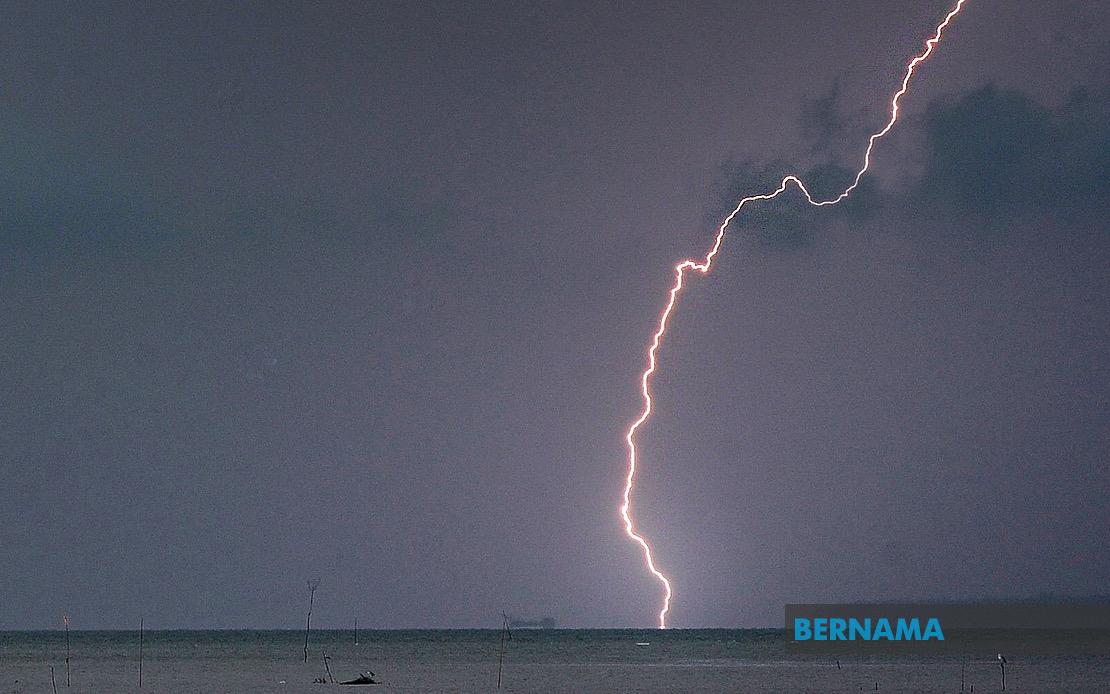
The Malaysian Meteorological Department released an urgent weather advisory on July 22, cautioning residents across significant portions of the country to brace for intense thunderstorms, torrential rain and damaging gusts until 5 pm. The warning encompasses multiple districts spanning from the northern peninsula through to the east coast and into Sabah, affecting millions of Malaysians in areas ranging from major urban centres to smaller towns and rural communities.
In the northern region, Kedah faces potential severe weather in the Baling district, while Perak experiences the broadest alert coverage. Nine districts across the state have been placed under warning: Manjung, Kinta, Perak Tengah, Kampar, Bagan Datuk, Hilir Perak, Batang Padang and Muallim. This concentration of alerts across Perak underscores the severity of the expected weather system affecting the state, with authorities concerned about potential disruptions to transportation networks and public services across the region's industrial and agricultural areas.
The east coast, typically vulnerable to monsoon-related weather patterns, faces its own significant threats. Terengganu has seven districts under alert including major population centres like Kuala Terengganu and Dungun, while Pahang's warning covers tourism and economic heartlands including Cameron Highlands' elevated Tanah Tinggi area alongside Lipis, Jerantut and Kuantan. The east coast's exposure to maritime weather systems makes thunderstorm activity particularly concerning during this period, as these storms often develop rapidly with minimal warning to residents and businesses.
The Klang Valley region, home to Malaysia's capital and its surrounding urban sprawl, faces weather threats in four Selangor districts: Sabak Bernam, Kuala Selangor, Hulu Selangor and Gombak. Given that this region houses significant infrastructure, commercial activity and densely populated residential areas, any flooding or severe wind damage could have cascading effects on the broader economy and daily routines of millions of residents. Kuala Lumpur's surrounding areas are particularly susceptible to flash flooding during heavy rainfall events, necessitating heightened preparedness among local authorities and residents.
Johor, Malaysia's southern economic anchor, extends the warning across six districts spanning from the more developed southern coast to inland areas. Johor Bahru, Kulai, Kota Tinggi, Mersing, Pontian and Kluang face the threat of severe conditions. The southern state's diverse geography and role as a gateway to Singapore mean that weather disruptions can have ramifications beyond state borders, potentially affecting cross-border commerce and the movement of goods through major transportation corridors.
Sabah's alerts cover interior highlands and coastal regions, affecting communities in Kuala Penyu, Beaufort and Tambunan in the Interior, West Coast districts, Beluran in Sandakan and Kudat on the northern coast. The geography of Sabah makes it particularly prone to rapid weather changes, with mountainous terrain channelling moisture-laden air masses and potentially intensifying rainfall in some areas while creating localized variations in wind patterns.
Thunderstorms of this magnitude pose multiple public safety hazards beyond simple rainfall. Strong winds accompanying such systems can topple trees, damage structures and create dangerous flying debris, while heavy rain escalates flood risks, particularly in low-lying areas and those with inadequate drainage infrastructure. Lightning strikes represent an additional hazard that has caused fatalities in previous weather events across Malaysia, making indoor safety advisories crucial during the alert period.
For residents in affected areas, authorities typically recommend staying indoors during peak storm activity, securing loose outdoor items, avoiding driving through flooded roads and keeping communication devices charged. Vulnerable populations including the elderly and those with health conditions should ensure adequate access to medications and supplies before conditions deteriorate. Businesses and essential service providers in warned areas should prepare contingency plans for potential disruptions to operations, power supply and logistics.
The meteorological department's issuance of such widespread alerts reflects increasingly sophisticated weather monitoring capabilities, though the inherent unpredictability of severe weather systems means residents should treat such warnings with appropriate seriousness. The concentration of alerts across the peninsula's populated regions highlights the challenge weather systems pose to a nation with significant urbanization and economic activity concentrated in these very areas. The 5 pm deadline suggests the system is expected to clear or weaken by evening, though localized impacts may persist longer in some communities.
Historically, Malaysian monsoon and inter-monsoon periods have produced severe thunderstorms causing flash floods, landslides and significant property damage in vulnerable districts. The coordination between MetMalaysia's forecast centre and state disaster management agencies remains critical for ensuring warnings reach affected communities and trigger appropriate precautionary measures. Media coverage of such alerts helps disseminate information rapidly, though ensuring vulnerable populations without regular media access receive timely information remains an ongoing challenge.
As climate variability continues to influence weather patterns across the region, Malaysia faces ongoing adaptation challenges in predicting and responding to severe weather events. The frequency and intensity of thunderstorms during transitional monsoon periods warrant continued investment in early warning systems, improved infrastructure resilience in flood-prone areas and public education regarding appropriate storm safety behaviours. For Malaysian residents and businesses in the warned areas today, the hours until 5 pm demand heightened vigilance and adherence to official safety guidance.

