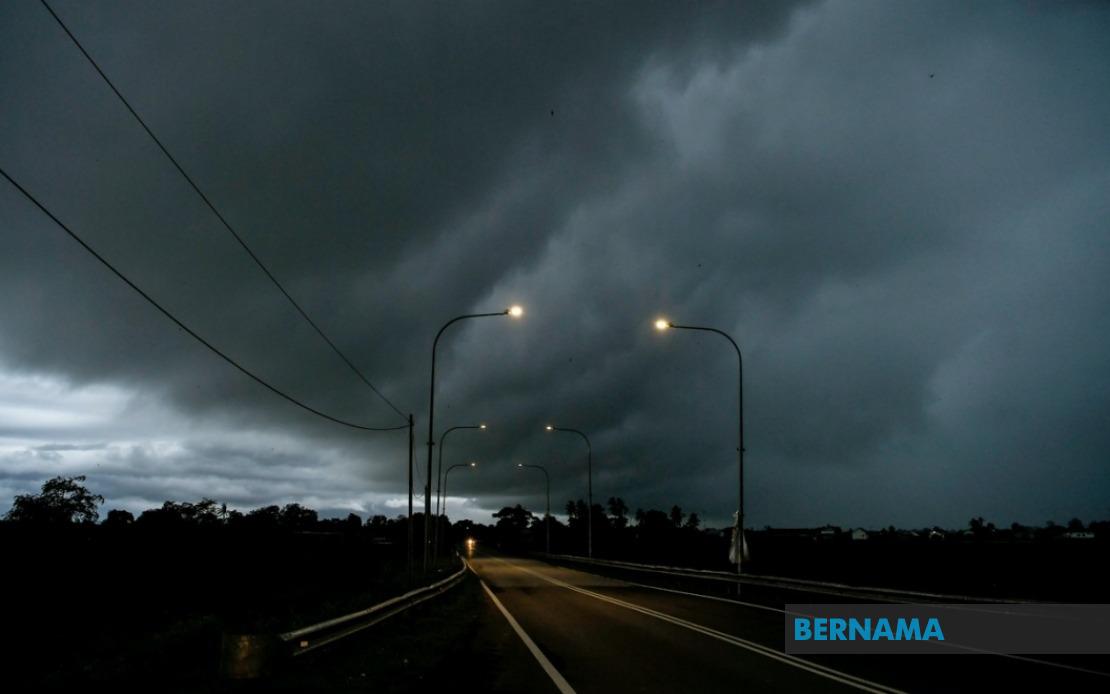
Residents across multiple regions of Malaysia should prepare for potentially severe weather conditions as the Malaysian Meteorological Department issued a significant advisory covering thunderstorms, heavy rain and powerful winds affecting seven states throughout the peninsula and eastern territories until 9 PM today.
The weather warning encompasses a broad geographic area, reflecting the unpredictable nature of the monsoon season affecting the country. In Peninsular Malaysia, residents in three districts of Perak—Larut, Matang and Selama, Kuala Kangsar and Kinta—face the prospect of sudden downpours and electrical storms. Similarly, three areas in Kelantan have been flagged for concern: Jeli, Kuala Krai and Gua Musang, all experiencing the tail end of the southwest monsoon. The conditions are also expected in Kemaman, Terengganu, and two districts in Pahang, namely Lipis and Jerantut. In southern Peninsular Malaysia, the alert extends to three Johor municipalities: Kulai, Kota Tinggi and Johor Bahru.
The severe weather pattern is not limited to Peninsular Malaysia. Sarawak, the nation's largest state, will experience similar atmospheric disturbances across multiple divisions. The warning covers Kuching and Samarahan in the southwestern region, Kanowit in the Sibu division, and Tatau and Sebauh in the Bintulu division. Additionally, Lawas in Limbang division, located in the northern coastal area of Sarawak, remains under alert status. These regions, already experiencing elevated rainfall during the monsoon transition, face additional moisture influx that could trigger localized flooding in vulnerable areas.
Sabah's interior and eastern regions also face the brunt of this weather system. The warning extends to Sipitang in the Interior division and covers five areas within the Sandakan division: Telupid, Kinabatangan, Beluran and Sandakan itself. This geographic spread suggests a broad-based atmospheric disturbance rather than isolated thunderstorm activity, indicating potential for more widespread impact across the region.
Thunderstorms accompanied by heavy rain create multiple hazards for the public. The combination of intense precipitation and electrical activity poses risks to outdoor activities, coastal areas, and low-lying communities susceptible to flash flooding. Strong winds associated with these storm systems can cause structural damage to buildings and disrupt utilities. Drivers on highways should exercise extreme caution, as reduced visibility and wet road conditions significantly increase accident risks. Malaysian authorities typically recommend that residents remain indoors during peak storm activity and avoid unnecessary travel.
The timing of this warning—issued in early July during the southwest monsoon period—aligns with seasonal weather patterns that regularly affect Malaysia. The monsoon transition periods are characterized by atmospheric instability as wind patterns shift, creating conditions favorable for thunderstorm development. Areas in Peninsular Malaysia's east coast and interior regions have historically experienced heightened rainfall during these periods, making the current alert consistent with climatological expectations.
For residents and businesses in the affected areas, the seven-hour warning window provides sufficient notice to implement precautions. Families should stock essential supplies, ensure drainage systems are clear of debris, and secure loose outdoor items. Businesses dependent on reliable power supply might consider temporary backup arrangements. Farmers and fishermen planning outdoor activities should postpone operations until conditions stabilize. Educational institutions may need to adjust schedules or transportation arrangements for students commuting during potentially hazardous weather.
The Malaysian Meteorological Department's proactive approach to weather warning reflects the nation's commitment to public safety. By identifying specific districts rather than entire states, the advisories provide targeted information enabling residents to assess personal risk more accurately. However, residents should note that weather systems can shift rapidly, and conditions in neighboring areas might deteriorate unexpectedly. Monitoring official meteorological updates throughout the warning period remains essential, as advisories may be extended or modified based on developing conditions.
Regional context is important for understanding Malaysia's weather dynamics. The country's equatorial and tropical location makes it susceptible to frequent thunderstorm activity, with the monsoon seasons amplifying these natural phenomena. The current alert, spanning territories from the northwest coast of Peninsular Malaysia through Terengganu, across Pahang, and extending to Johor and the East Malaysian states, suggests a coherent weather system moving across the nation. This interconnectedness of weather patterns underscores how tropical atmospheric conditions can simultaneously affect distant regions, necessitating coordinated national monitoring and warning systems.
Communities in these regions should familiarize themselves with local flood-prone areas and evacuation routes. Residents living in flood-prone zones should maintain emergency kits and stay informed through local authorities and weather services. The alert also serves as a reminder for Malaysians to respect weather warnings and avoid complacency despite the frequency of thunderstorms in tropical climates. Even routine-seeming weather events can occasionally produce unexpected severity, particularly when atmospheric conditions align to create unusually intense systems.
The warning extends until 9 PM, suggesting meteorologists anticipate the system's intensity diminishing during evening hours. However, residents should remain vigilant beyond the official warning period, as ground conditions may remain hazardous with saturated soil and potential lingering water accumulation. Agricultural areas may experience water logging affecting crop productivity, while water management authorities may need to open dam spillways to manage increased runoff, potentially affecting downstream communities.
MetMalaysia's continued monitoring and real-time updates will provide the most current information for those in affected areas. Residents are encouraged to subscribe to official weather alerts through the department's website or mobile applications, ensuring they receive timely notifications about changing conditions. Given the dynamic nature of tropical weather systems, information issued several hours before the storm's peak may be superseded by updated warnings reflecting observed atmospheric changes.

