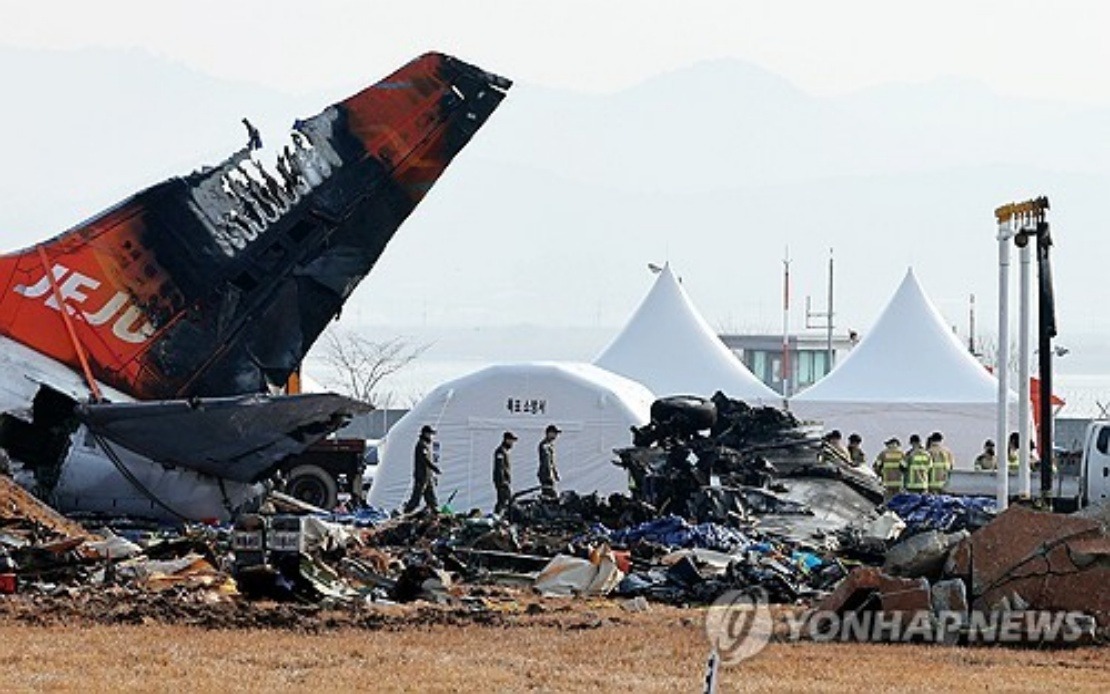
Seven officials from South Korea's transport ministry face prosecution over allegations they deliberately concealed critical safety information about equipment involved in the devastating Jeju Air crash that occurred on December 29, 2024. The referral by police investigators, announced on Wednesday, centres on accusations that these officials issued misleading public statements regarding the regulatory compliance status of a localiser—a sophisticated navigation instrument essential for guiding aircraft during landing operations—despite knowing the equipment failed to meet established safety standards.
The Jeju Air disaster represents one of South Korea's deadliest aviation incidents in recent history. The Boeing 737-800 passenger jet, operating flight 2216, was attempting an emergency belly landing at Muan International Airport, located approximately 290 kilometres south of the capital Seoul, when the aircraft struck a concrete enclosure structure housing the localiser. The collision occurred after the pilots experienced engine failure and declared a mayday emergency. The impact with the concrete mound, positioned at the end of the runway, proved catastrophic. One hundred and seventy-nine passengers and crew members perished in the crash, while only two crew members survived the ordeal. The incident immediately triggered intense scrutiny into every aspect of the emergency landing sequence and the airport's physical infrastructure.
The core allegation against the seven officials involves their role in crafting and disseminating official communications to the public and media. According to the special police investigation team that examined the matter, these officials knowingly drafted press releases and official statements asserting that the localiser had been installed and maintained in full compliance with international and domestic aviation safety regulations. This characterisation was fundamentally false. The investigators determined that the officials possessed concrete evidence demonstrating the localiser's installation deviated significantly from prescribed safety standards, yet they proceeded to make public statements that misrepresented this critical fact.
The placement and construction of the localiser within the concrete mound structure has emerged as a central focus in post-accident analysis. Aviation safety experts and investigators have questioned whether this particular design choice and positioning materially contributed to the magnitude of casualties resulting from the crash. The concrete mound's hardness and the localiser's presence created a rigid obstacle directly in the aircraft's trajectory during the emergency landing attempt. Had the runway environment presented a softer landing zone at that location, the outcome might have differed substantially. This distinction between what officials knew about the equipment's compliance status and what they publicly disclosed to the aviation community and the Korean public has crystallised into a significant administrative and legal matter.
The investigation into the crash and its surrounding circumstances has broadened considerably since the initial emergency response. Rather than accepting official narratives at face value, South Korean authorities, including specialised police units dedicated to aviation matters, conducted independent forensic examinations of documentation, communications records, and regulatory files. These investigations uncovered discrepancies between internal assessments of the localiser system and the public representations made by transport ministry personnel. The gap between private knowledge and public statements constitutes the foundation of the current prosecution referrals.
This case carries substantial implications for aviation governance throughout the region and globally. Malaysia's own aviation authorities and other Southeast Asian regulatory bodies monitor how major aviation democracies like South Korea handle accountability in the aftermath of catastrophic accidents. The willingness of South Korean institutions to pursue administrative and criminal accountability for officials who mislead the public about safety matters reflects evolving standards for transparency in aviation governance. For Malaysian stakeholders in aviation safety, this precedent underscores the critical importance of accurate, honest reporting about equipment compliance and runway infrastructure conditions.
The referral of these seven officials to prosecutors represents a significant development in how South Korea is responding to the Jeju Air disaster at the institutional level. Beyond investigating the immediate technical and operational causes of the crash, authorities are examining the systems and incentives that may have encouraged regulatory capture or misrepresentation. The decision to pursue charges suggests that decision-makers concluded the officials' conduct crossed legal and ethical thresholds that warrant criminal sanction, not merely administrative discipline or internal investigations.
The broader context involves South Korea's commitment to implementing and enforcing international aviation safety standards. The localiser system in question operates under frameworks established by the International Civil Aviation Organization and adapted for Korean operations. When officials misrepresent the compliance status of such equipment, they undermine the confidence that travelling publics and international partners place in the regulatory system. The crash itself killed passengers and crew from various nations, making this not merely a Korean domestic matter but one of international aviation safety significance.
For Malaysia and other regional aviation markets, the investigation's findings about localiser placement and runway safety infrastructure invite reflection on comparable systems and practices. Malaysian airports, particularly those handling heavy international traffic, employ similar navigation and safety systems. Ensuring these systems meet design standards and that any deviations are transparently communicated to relevant authorities represents a fundamental responsibility. The Jeju Air investigation suggests that accountability mechanisms—including potential criminal liability for officials who misrepresent safety information—may strengthen overall system integrity.
The investigation remains ongoing, and the prosecution of the seven officials will unfold through South Korea's legal system. The charges they face reflect not merely bureaucratic negligence but deliberate concealment of information that could affect public confidence in aviation safety. As these cases proceed, they will likely generate guidance and precedent for how other nations approach accountability for regulatory misconduct in the aviation sector. The case underscores that in matters of public safety, the accuracy and completeness of official statements constitute more than administrative niceties—they represent core obligations to the travelling public.

