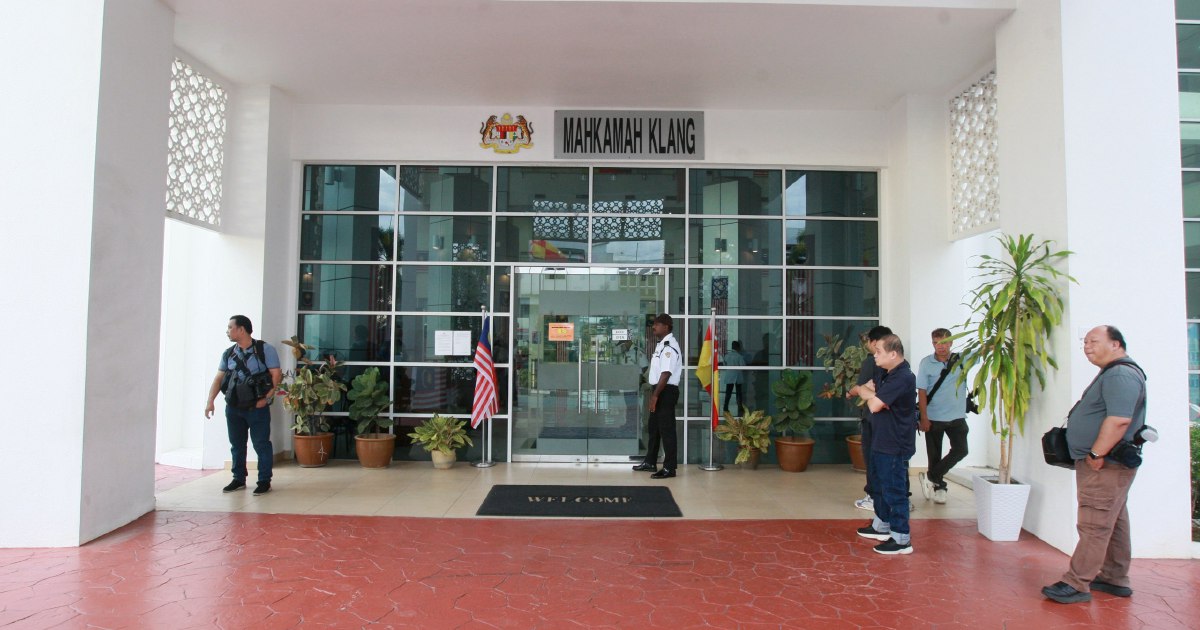
A 24-year-old man arrived at the Klang Sessions Court today to face formal charges stemming from the death of Rocky, a dog whose case has captured considerable attention in Malaysia's ongoing conversation about animal welfare and cruelty. The courtroom precinct, despite the gravity and profile of the proceedings, witnessed an orderly atmosphere, with notably minimal disruption or large-scale public gathering outside the judicial venue.
The Rocky case has emerged as a significant flashpoint in Malaysia's broader discourse surrounding the treatment of animals and the adequacy of existing legal protections. The incident that claimed Rocky's life has resonated deeply with animal welfare advocates and the general public alike, prompting renewed scrutiny of how authorities handle suspected animal cruelty cases and what criminal consequences perpetrators may face. The appearance of the 24-year-old defendant marked a critical juncture in the judicial process, transitioning the matter from investigation and preliminary procedures to formal charges before the court.
The restrained atmosphere outside the Klang court contrasts with the intensity of public concern the case has generated across digital platforms and community discussions. Many observers had anticipated a potential demonstration of public sentiment, given the emotional nature of animal welfare cases and their capacity to mobilise citizen engagement. However, the day unfolded without visible signs of organised gatherings or vocal expressions of public feeling at the venue itself, allowing court proceedings to advance without external pressures or distractions.
For Malaysian legal observers, the case represents an important test of how domestic laws address animal cruelty and what sentencing frameworks courts employ when such cases reach adjudication. The specifics of the charges filed against the accused will illuminate the particular legal avenues authorities have pursued and which statutes they deem most applicable to the circumstances surrounding Rocky's death. This dimension holds particular significance given ongoing debates about whether Malaysia's existing animal welfare legislation provides sufficient deterrence and protection.
The public interest in Rocky's death reflects a measurable shift in societal attitudes towards animal welfare across Malaysia and the wider region. Increasingly, cases involving suspected cruelty generate substantial community mobilisation and media attention, signalling that animals are no longer perceived as mere property but rather as sentient beings deserving of protection and dignity. This evolving social consciousness has placed pressure on lawmakers and enforcement authorities to take such matters with appropriate seriousness.
From a regional perspective, Malaysia's handling of high-profile animal cruelty cases carries implications for how Southeast Asian nations are developing and strengthening their animal protection frameworks. The judicial proceedings and eventual outcome in Rocky's case may influence public expectations and policy discussions across neighbouring countries grappling with similar challenges regarding legal safeguards for animals. The visibility of such proceedings, even when executed with procedural restraint, reinforces the principle that animal welfare matters warrant public institution engagement.
The measured environment at the Klang court also reflects the discipline of Malaysia's judicial system in maintaining decorum and ensuring that courtroom proceedings proceed according to established legal protocols. This procedural integrity remains essential to public confidence in the judiciary's capacity to deliver fair and impartial justice, even in cases that evoke powerful emotional responses from broader society. The orderly conduct of today's proceedings signals to observers that the system can manage high-interest matters while maintaining the standards and professionalism the administration of justice demands.
The case raises important questions about investigative procedures following reported animal cruelty incidents and how evidence is compiled to support charges before the courts. Understanding the investigative pathway that led to charges against the 24-year-old defendant provides insight into the capacities and methodologies available to Malaysian authorities when examining suspected violations of animal welfare statutes. This procedural dimension extends beyond Rocky's specific case to inform broader assessments of how effectively enforcement agencies can document and prosecute such matters.
As the judicial process advances, attention will likely focus on courtroom submissions, evidence presentation, and ultimately the verdicts and sentences that result from proceedings. Each phase will generate further public interest and may reignite broader societal discussions about animal protection, legal accountability, and the standards that Malaysian courts and lawmakers consider appropriate for such cases. The precedent established through Rocky's case will inform public expectations and potentially influence future enforcement priorities and legislative development concerning animal welfare in Malaysia.

