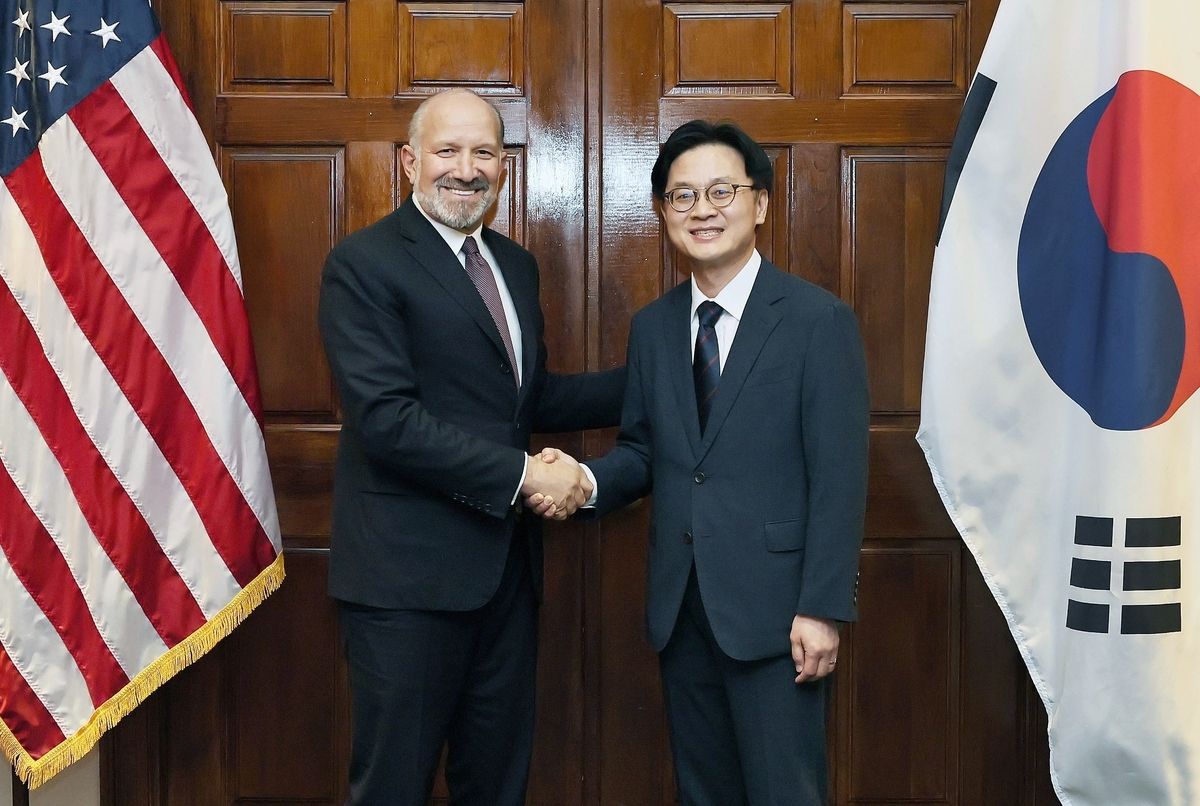
South Korea's Industry Minister Kim Jung-kwan departed for Washington on Wednesday to undertake high-level discussions with US government officials focused on trade and investment collaboration. The mission arrives at a delicate moment in the bilateral relationship, with Seoul anticipating a forthcoming US decision on supplementary tariffs under Section 301 of the Trade Act. This investigation centres on trade practices connected to forced labour allegations, a development that South Korean media outlets have flagged as potentially damaging to the country's export interests.
Kim's four-day visit, scheduled from 22 to 25 July, represents Seoul's proactive diplomatic response to mounting trade uncertainties. The minister will meet with US Commerce Secretary Howard Lutnick, focusing on strategic South Korean investment projects in the American market and broader bilateral cooperation frameworks. These discussions come at a time when both nations are navigating evolving global trade dynamics and seeking to strengthen their economic partnership beyond traditional manufacturing sectors.
Energy cooperation and resource security will form another pillar of Kim's agenda. He is set to meet with US Energy Secretary Chris Wright to explore avenues for collaboration on critical resources and energy initiatives. Given South Korea's dependence on energy imports and the strategic importance of diversifying supply chains, such engagements carry significance for Seoul's long-term economic resilience. The talks will also extend to Congressional representatives, enabling Kim to build broader political support for South Korean trade and investment priorities within the American legislative framework.
The centrepiece of Kim's visit is his attendance at Thursday's inauguration of a South Korea-US Shipbuilding Partnership Center in Washington. This facility represents tangible progress stemming from a May bilateral agreement between Seoul's Ministry of Trade, Industry and Resources and the US Commerce Department. The centre is designed to serve as a formal platform enabling shipbuilders from both nations to coordinate efforts, share expertise, and pursue joint ventures. For South Korea, which maintains a globally competitive shipbuilding industry, such institutional arrangements are vital for sustaining market access and technological cooperation with American partners.
The shipbuilding initiative carries particular weight given the sector's importance to South Korea's manufacturing base and export earnings. Korean shipbuilders have faced intensifying international competition, particularly from Chinese competitors benefiting from substantial state support. Formalising cooperation with American counterparts through a dedicated partnership centre strengthens South Korea's position in high-value maritime construction and maintenance contracts, including potentially lucrative defence-related shipbuilding projects involving both nations.
Beyond the ceremonial aspects, Kim intends to advance implementation of a South Korean law enacted in June that encourages strategic investment in the United States. This legislation provides mechanisms to facilitate Korean companies establishing operations, manufacturing facilities, or research centres in America. By specifying concrete investment projects during his Washington visit, Kim aims to translate legislative intent into concrete economic activity, potentially creating jobs in both countries while deepening bilateral commercial interdependence.
The broader context of Kim's mission reflects Seoul's anxiety about US trade policy direction. The looming Section 301 investigation outcome represents a potential headwind for South Korean exports to America, one of its most important markets. By engaging directly with senior US officials and Congressional representatives, Kim is attempting to contexualise South Korean practices within frameworks of fair competition and to emphasise the mutual benefits of stable bilateral trade relations. This diplomatic effort aims to influence the timing and severity of any tariff announcements.
For Malaysian observers, South Korea's predicament offers instructive parallels. Like South Korea, Malaysia operates in a global trade environment increasingly characterised by unilateral tariff actions, investigations into labour practices, and pressure to invest in foreign markets as a counterweight to trade restrictions. The diplomatic playbook Kim is executing—combining high-level governmental engagement, institutional partnership ceremonies, and Congressional outreach—may serve as a reference point for other regional economies navigating similar American trade dynamics.
Seoul's emphasis on maintaining stable bilateral trade relations, as Kim stated before departure, underscores the delicate balance regional economies must strike when facing US trade pressure. Rather than confrontational posturing, South Korea is pursuing engagement through investment cooperation, sector-specific partnerships, and institutional frameworks. These approaches acknowledge American concerns while positioning South Korean interests within narratives of mutual benefit and strategic alignment.
The timing of these negotiations also signals broader geopolitical calculations. South Korea, as a key US security ally in Northeast Asia, leverages its strategic importance in defence and technology sectors to reinforce economic partnerships. The shipbuilding centre development and investment promotion efforts thus serve dual purposes: strengthening economic ties while reinforcing the security and technological cooperation that undergirds the US-South Korea alliance.
Looking forward, the outcomes of Kim's Washington visit will likely shape how Seoul responds to the anticipated Section 301 tariff announcement. Whether the visit yields concrete commitments on investment or modulation of tariff measures remains uncertain. However, the effort itself demonstrates Seoul's determination to actively manage trade relations rather than passively awaiting external decisions. For regional economies watching these developments, South Korea's diplomatic engagement offers lessons in proactive crisis management during periods of trade policy instability.

