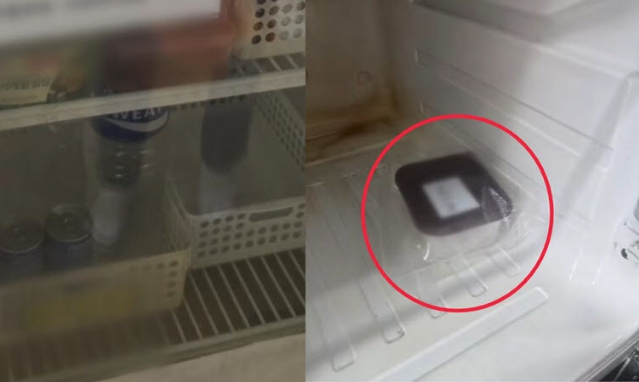
A Seoul nursing hospital is facing official scrutiny from South Korean health authorities after staff members stored a patient's severed toe in a kitchen refrigerator alongside food items and condiments. The discovery has raised serious questions about medical waste handling procedures and patient care standards at the facility, triggering an administrative investigation into the hospital's operations and regulatory compliance.
The toe, placed inside a disposable porridge container, remained in the refrigerator for roughly two weeks until the patient's family made the discovery during a visit to the facility. According to a KBS report published on August 19, the severed appendage had been kept among ordinary food storage items, a practice that appears to contravene both South Korean waste management regulations and basic food sanitation protocols. The incident highlights potential gaps in how medical institutions dispose of or preserve human tissue when specialized facilities are unavailable.
The affected patient is a man in his 60s with an intellectual disability who has resided at the nursing hospital for a decade. Hospital staff attributed the loss of his toe to an incident in March when he fell while being transferred in a wheelchair to bathe. According to the hospital's explanation, the toe detached because it was already compromised by skin necrosis, a condition where tissue dies due to lack of blood supply or infection. However, this account raises troubling questions about how the patient's underlying medical condition had been managed and monitored over time.
The patient's family expressed significant concern that they were never informed about a foot ulcer diagnosis despite the hospital's own nursing records documenting the condition since December of the previous year. This communication gap appears particularly troubling given that the family was only alerted to the toe's detachment after it had already occurred, and even then they learned about the underlying ulcer only through indirect means. For families of patients with intellectual disabilities who depend on nursing facilities for primary care, such lack of transparency regarding serious health developments represents a fundamental breach of trust.
South Korea's Waste Control Act establishes specific requirements for handling medical waste, mandating that such materials be stored in designated containers designed for that purpose. The storage of human tissue in an ordinary kitchen refrigerator alongside food clearly violates these standards. Additionally, keeping any human biological material in a refrigerator used for storing consumable food and beverages potentially breaches food sanitation regulations intended to protect against contamination and health risks.
When confronted with the violation, hospital administrators defended their actions by claiming they lacked an appropriate container for storing the severed toe. According to their statement, a nurse made the decision to place the tissue in the kitchen refrigerator as an emergency measure to preserve it while the hospital determined how to respond to the situation. This explanation suggests either inadequate preparation and training regarding medical emergencies, or insufficient resources allocated to maintaining proper medical waste management infrastructure. For a facility housing patients for extended periods, such gaps in preparedness are concerning.
The incident underscores broader questions about oversight and accountability in South Korea's nursing home sector. Facilities caring for vulnerable populations, including individuals with intellectual disabilities, face particular scrutiny regarding their adherence to health and safety standards. The revelation that critical health information—specifically the foot ulcer diagnosis—was not communicated to the patient's family raises concerns about whether other aspects of care documentation and patient monitoring were similarly inadequate.
For Malaysian readers and those across Southeast Asia, this case offers a cautionary example of how nursing homes and long-term care facilities can develop practices that drift from regulatory requirements, particularly when institutions operate with minimal external oversight or when families lack access to detailed patient information. The incident demonstrates the importance of regular inspections, transparent communication protocols between facilities and families, and robust training programs for all staff members handling medical waste or emergency medical situations.
South Korea's Health Ministry responded by directing local government authorities to conduct a comprehensive administrative investigation into the hospital. This response indicates recognition that the incident represents a systemic failure rather than an isolated lapse in judgment. The investigation will likely examine not only the specific waste storage violation but also broader questions about patient care standards, communication protocols, staff training, and whether similar violations or oversights have occurred at this or other facilities under the same management.
The case also highlights the particular vulnerability of patients with intellectual disabilities in institutional settings. Such individuals often cannot advocate effectively for themselves or report concerns to family members, making external oversight through regular family visits, transparent record-keeping, and proactive communication from medical staff essential safeguards. When these protective mechanisms fail—as appears to have happened regarding the foot ulcer diagnosis—patients may suffer preventable deterioration of their health status.
As investigations proceed in Seoul, the incident will likely prompt broader policy discussions about minimum standards for medical waste management across nursing facilities, training requirements for staff at long-term care institutions, and mechanisms for ensuring family notification of significant health developments. For the international care sector, including facilities across Malaysia and other Southeast Asian nations, the case reinforces the necessity of rigorous compliance with waste handling protocols and unwavering commitment to patient and family communication, particularly for vulnerable populations unable to independently monitor their own care.

