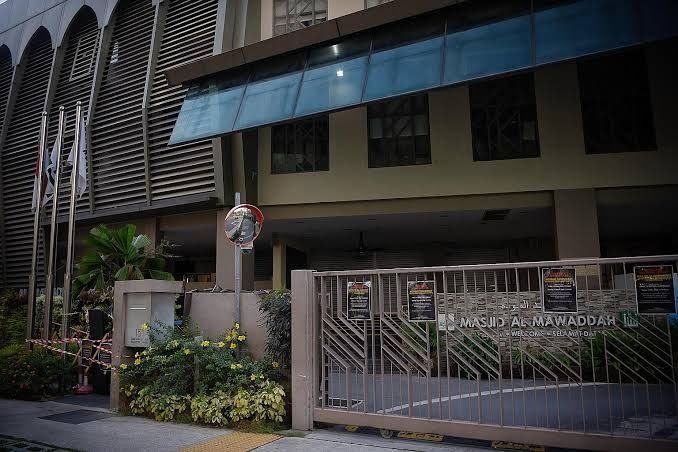
A senior finance executive at Al-Mawaddah Mosque in Sengkang has been formally charged with misappropriating more than S$14,000 from the place of worship's donation boxes, marking a significant breach of trust within Singapore's religious community. Mohamed Muhaimin Mohamed Sulaiman, aged 42, was charged on August 12 with a single count of criminal breach of trust, an offence that carries potentially severe legal consequences including imprisonment of up to 15 years and substantial fines upon conviction.
The alleged misconduct spanned a considerable period, with authorities claiming that Muhaimin committed the offence on at least 15 separate occasions between February 6 and May 15 this year. Police received the initial report concerning the missing funds on May 16, prompting an investigation that led to the formal charges filed several months later. The discovery of the alleged misappropriation highlights vulnerabilities in donation collection systems at religious institutions, even when trusted senior staff members oversee financial operations.
In his capacity as a finance executive at the Al-Mawaddah Mosque, Muhaimin held a position of considerable responsibility and trust within the congregation. The nature of his role would have granted him direct access to donation boxes and the authority to handle collected funds, making such alleged breaches of trust particularly troubling for the wider Muslim community and the institution itself. The systematic nature of the alleged offence—occurring repeatedly across multiple months—suggests an ongoing pattern rather than an isolated incident of financial impropriety.
The Islamic Religious Council of Singapore, which oversees mosque operations and religious affairs in the city-state, has not yet publicly commented on whether Muhaimin remains employed at the institution or what additional safeguards might be implemented to prevent similar occurrences. The council's response to this incident will be closely watched by other religious organisations in Singapore and throughout Southeast Asia, as it may set precedents for how institutions address internal financial crimes and strengthen their governance structures.
Bail arrangements have been established at S$10,000, allowing Muhaimin temporary release while judicial proceedings continue. His case is scheduled for mention in court again on September 16, at which point further evidence may be presented and legal arguments advanced by both prosecution and defence teams. The relatively modest bail amount suggests authorities may not view him as a flight risk, though the seriousness of the charges indicates a thorough investigation has already been conducted.
The revelation of this alleged financial misconduct raises important questions about oversight mechanisms within religious institutions across Southeast Asia, where donation boxes remain a primary means of collecting funds from congregants. Many mosques, temples, and churches operate with volunteer management committees and minimal formal accounting procedures, creating environments where misappropriation, whether intentional or through poor record-keeping, can occur undetected for extended periods. This case underscores the necessity for transparent financial controls, regular audits, and segregation of duties among staff members.
For Malaysian readers and the broader Southeast Asian Muslim community, this incident serves as a sobering reminder that internal financial crimes can affect institutions of all sizes and prominence. The Al-Mawaddah Mosque, situated in a residential area of Singapore's eastern region, was presumably well-regarded by its congregation before allegations emerged. The trust placed in senior officials makes any breach particularly damaging to community confidence and institutional reputation.
The involvement of a figure in a senior finance position also complicates the case procedurally and legally. Unlike a junior staff member or volunteer, an executive-level employee's actions may attract greater scrutiny under criminal law, as they potentially demonstrate premeditation, knowledge of proper procedures that were deliberately circumvented, and abuse of a position specifically designed to protect institutional funds. Prosecutors may argue that Muhaimin's role gave him unique knowledge and opportunity to commit the alleged offence while evading detection.
The alleged four-month duration of the misconduct—from early February through mid-May—raises questions about the adequacy of financial review processes at the mosque. Standard accounting practices would typically involve regular reconciliation of donation collection with deposits, monthly financial reports to management committees, and periodic independent reviews. If such mechanisms existed but failed to detect the alleged misappropriation for four months, institutional procedures may require strengthening.
This case also touches on broader concerns about financial accountability in religious settings across the region. Many Muslim organisations in Malaysia and Singapore operate donation collection systems based on longstanding traditions and community conventions rather than formal written protocols. While such trust-based systems have historically served communities well, the increasing complexity of financial management and growing congregation sizes may necessitate more sophisticated oversight structures without compromising the spiritual ethos of charitable giving.
As the legal process unfolds and the September 16 court mention approaches, attention will focus on whether additional charges may be filed or whether further investigations uncover related financial irregularities. The outcome of this case may prompt the Islamic Religious Council of Singapore and similar bodies throughout Malaysia and the region to implement enhanced financial governance frameworks, mandatory staff training on accounting procedures, and whistleblower protection mechanisms that encourage reporting of suspected misconduct while safeguarding accusers from retaliation.

