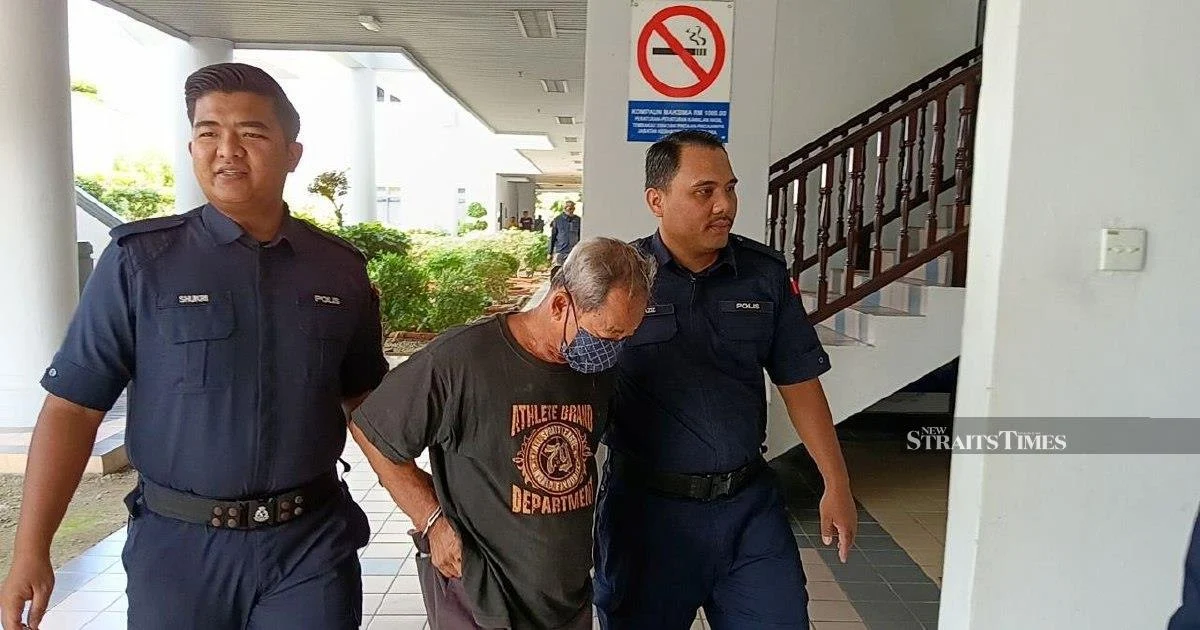
The Ayer Keroh Sessions Court in Melaka has initiated proceedings against a senior man accused of committing sexual assault against two young primary schoolchildren. The dual charges represent separate incidents involving primary school-aged girls, signalling a grave violation of child protection standards and institutional safety within a mosque premises.
The alleged incidents, which unfolded within a mosque storeroom, have triggered significant concerns among parents and community leaders across Melaka regarding the vulnerability of children in spaces that should provide sanctuary and security. Mosques serve as vital community institutions across Malaysia, particularly during school hours when children may visit for religious instruction or other activities. The location of the alleged assaults raises troubling questions about access controls, supervision protocols, and the adequacy of safeguarding measures in religious facilities that interact with minors.
This case arrives at a moment of heightened national awareness surrounding child protection frameworks. Malaysian authorities have intensified efforts to strengthen reporting mechanisms and prosecutorial approaches following previous high-profile cases. The decision to pursue two distinct charges indicates that investigators identified sufficient evidence to proceed separately, each carrying its own legal weight and sentencing implications under Malaysia's penal provisions for sexual offences against children.
The court's jurisdiction over this matter reflects the serious nature of the allegations and the age of the alleged victims. Child sexual assault cases in Malaysia are prosecuted rigorously, with courts recognizing the particular vulnerability of young children and the lasting trauma such crimes inflict. The testimonies of primary schoolchildren in such cases require specialized procedures to ensure their statements are obtained sensitively while maintaining evidential integrity throughout judicial proceedings.
For parents throughout Melaka and beyond, incidents occurring within institutional settings—whether educational, recreational, or religious—underscore the ongoing necessity to educate children about personal boundaries and encourage them to report uncomfortable interactions with adults. Schools and community organisations have increasingly incorporated child safety programming, yet allegations continue to emerge, suggesting persistent gaps between protective frameworks and their actual implementation at ground level.
The accused's age itself—being classified as a senior citizen—adds another dimension to public discourse. While age does not excuse criminal behaviour, such cases remind Malaysian society that safeguarding responsibilities apply universally and that assumptions about who poses risk can create dangerous blind spots. Many institutions inadvertently grant greater access to older individuals based on societal respect for age, potentially undermining the vigilance necessary to protect children.
The preliminary hearing stage now underway will determine whether sufficient grounds exist to proceed to trial. Should the court determine the prosecution's case warrants advancement, the accused would face the full spectrum of legal proceedings, potentially including extended questioning, evidence presentation, and ultimately a substantive trial where both the prosecution and defence present their full arguments. The outcomes of such cases carry implications extending beyond individual accountability, influencing how institutions subsequently revise their safety protocols.
Melaka authorities, working through the state's police force and prosecutorial offices, have pursued these charges through established procedures designed to handle sensitive matters involving minors. The decision to prosecute reflects investigative findings, corroborating evidence, and prosecutorial assessment that legal thresholds have been satisfied. Throughout the Malaysian legal system, such cases proceed with particular attention to the rights of complainants, many of whom are children requiring specialised support throughout protracted legal processes.
Institutions hosting or serving children—from mosques to schools to community centres—face mounting pressure from regulatory bodies and public expectation to implement robust vetting procedures, clear reporting lines, and architectural designs that minimise unsupervised access between adults and minors. This incident will likely prompt renewed examination of such safeguards across Melaka's religious institutions, potentially catalysing broader conversations at the national level regarding standardized protection standards applicable across all institutions serving children.
The broader implications for Malaysian society centre on recognizing that institutional settings, regardless of their cultural or religious significance, require equally rigorous child protection frameworks as secular organisations. The case underscores that vigilance, transparency, and systemic accountability cannot be suspended for any sector. As this matter progresses through the courts, the judiciary's handling will establish important precedents regarding how seriously Malaysian law treats breaches of trust occurring within revered community spaces.
Families affected by such allegations often face prolonged emotional and psychological consequences, while community cohesion within affected neighbourhoods can suffer lasting damage. The Melaka case thus extends beyond a single courtroom proceeding, touching fundamental questions about how Malaysian society structures institutions to simultaneously welcome community participation while maintaining the protective barriers essential to safeguarding vulnerable young citizens. Going forward, both institutional leadership and regulatory oversight will be tested in determining whether adequate systems exist to prevent similar incidents.

