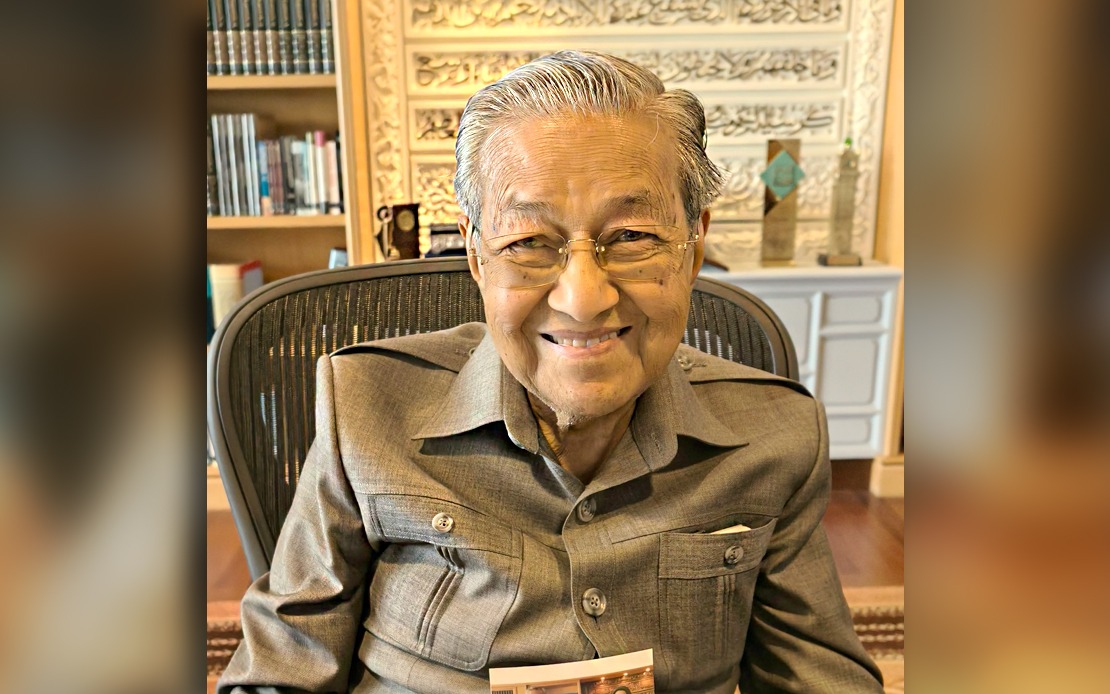
Senior members of Malaysia's Cabinet have publicly marked the 101st birthday of Tun Dr Mahathir Mohamad, the former Prime Minister whose decades-long political career fundamentally shaped the nation's trajectory. The tributes, shared across social media platforms on July 10, reflect the enduring respect commanded by the veteran statesman even after stepping down from high office. Communications Minister Datuk Fahmi Fadzil was among the first to extend greetings, expressing hopes that Dr Mahathir would enjoy sustained wellness and happiness during the celebration of this extraordinary personal milestone.
Fadzil's public acknowledgement underscores the significance of Dr Mahathir's longevity in Malaysian politics. In his Facebook message, the Communications Minister emphasised the rarity of reaching 101 years of age, describing it as an "incredible milestone" worthy of national recognition. His wishes centred on spiritual and physical blessings, invoking divine protection over the former leader's continued wellbeing. The gesture represents a broader pattern of institutional recognition, whereby members of the current administration publicly acknowledge figures from previous governments, maintaining a sense of continuity in Malaysia's political culture despite partisan differences.
Two additional Cabinet-level ministers similarly contributed to the birthday celebrations, each offering their own expressions of goodwill. Datuk Seri Azalina Othman Said, who holds the portfolio of Minister in the Prime Minister's Department overseeing Law and Institutional Reform, joined the chorus of well-wishers. Accompanying her tribute was Datuk Seri Dr Zambry Abd Kadir, the current Higher Education Minister, whose message also centred on health and divine favour. Both officials framed their greetings within a spiritual context, invoking Allah SWT's mercy and continuous blessings—a common rhetorical device in Malaysian public discourse that reflects the nation's Islamic values.
Dr Mahathir's birth on July 10, 1925, in Alor Setar, Kedah, places him among Malaysia's most historically significant political figures. His emergence as a dominant force in Southeast Asian politics began in 1981 when he first assumed the office of Prime Minister, a position he would hold continuously for 22 years until his retirement in 2003. During this extended tenure, Dr Mahathir implemented transformative policies that reshaped Malaysia's economy, infrastructure, and international standing. His administration oversaw rapid industrialisation, major infrastructure projects including the Petronas Twin Towers and the North-South Expressway, and positioned Malaysia as a middle-income nation with growing technological capabilities.
Yet Dr Mahathir's political journey did not conclude with his 2003 retirement. His return to the Prime Minister's office from 2018 to 2020, at the age of 92, created an unprecedented chapter in Malaysian politics. This comeback, facilitated through the Pakatan Harapan coalition following the 2018 general election, was driven by a groundswell of support from voters seeking change after 60 years of Barisan Nasional governance. His re-entry into the highest office represented a remarkable demonstration of political survival and the continued relevance of his vision among significant segments of the Malaysian electorate, despite his advanced age.
The international significance of Dr Mahathir's tenure cannot be overstated. His appointment in 2018 marked a historical turning point globally, as he became recognised as the world's oldest prime minister at the time of taking office. This distinction highlighted Malaysia's willingness to entrust its governance to a leader of exceptional experience, a decision that resonated beyond Southeast Asia's borders. His second stint, though ultimately shortened by internal coalition tensions and his eventual resignation in 2020, reinforced the notion that age need not disqualify capable administrators from wielding executive authority.
The contemporary context of these birthday tributes is worth examining. They arrive at a moment when Malaysia's political landscape continues to grapple with the legacy of the past decade's tumultuous transitions. The 2018 election, which brought Dr Mahathir back to power, fundamentally disrupted the political status quo that had persisted since independence. Though his second tenure proved brief, the ripple effects continue to influence current policy debates and political alignments. Current Cabinet members, many of whom served under or competed against Dr Mahathir during various phases of their careers, now routinely extend public recognition to him—a practice that suggests a degree of political maturation in accepting former opponents as part of the nation's historical fabric.
Dr Mahathir's intellectual influence extends beyond his formal tenure in elected office. Throughout his retirement years, he has remained an active commentator on Malaysian affairs, frequently articulating positions on matters of governance, economic policy, and national direction through various public forums and media appearances. His documented views on Malaysia's development trajectory, lessons from his tenure, and critiques of subsequent administrations have continued to shape public discourse. The respect accorded to him by sitting ministers, therefore, reflects recognition of his enduring intellectual capital and the moral authority he carries as an elder statesman.
The phenomenon of public birthday tributes to senior political figures carries particular significance in Malaysian culture, where respect for age and accumulated wisdom remains a deeply ingrained value. These messages serve multiple functions simultaneously: they acknowledge Dr Mahathir's personal achievement in reaching such an advanced age, they demonstrate the current administration's respect for historical continuity despite political differences, and they reinforce the notion that service to the nation merits lifelong recognition. In this sense, the ministers' greetings transcend mere ceremonial gestures, instead functioning as public statements about values and institutional memory.
As Malaysia navigates complex contemporary challenges—ranging from economic restructuring to regional geopolitical dynamics—the nation's most experienced political figures occupy a particular niche in public consciousness. Dr Mahathir's 101 years encompass nearly the entire span of Malaysia's existence as a modern nation-state. His perspective, informed by direct participation in the country's transformation from British colony to developing middle-income nation, remains a reference point for understanding how Malaysia reached its current position. The Cabinet ministers' tributes thus represent not merely personal birthday wishes, but implicit acknowledgement of the value vested in Dr Mahathir's historical experience and his continuing relevance to national discourse.

