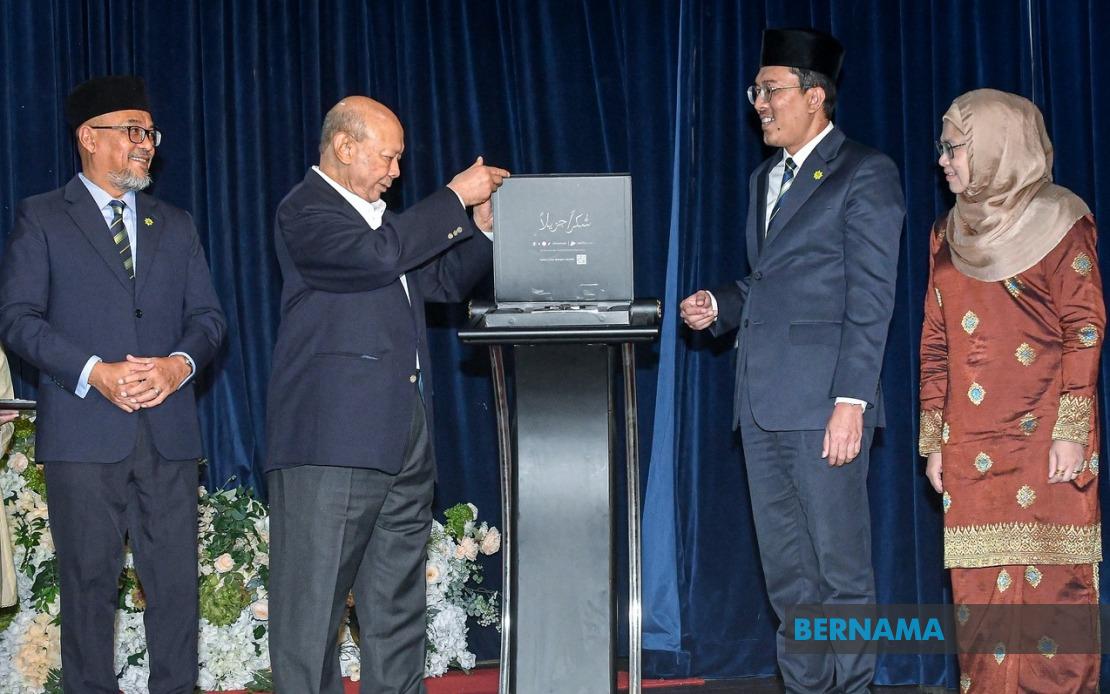
The Selangor Zakat Board unveiled IKTIRAF at the Gemerlapan Rakan Strategik Zakat Selangor event in Shah Alam on July 7, establishing what officials describe as Malaysia's first formal recognition system for companies honouring their business zakat commitments. This certification framework represents a significant step in institutionalising corporate Islamic financial responsibility within the Malaysian business landscape, moving beyond informal compliance towards publicly acknowledged and verifiable contribution to religious obligations.
According to Mohd Khaidzir Shahari, chief executive of Zakat Selangor, the initiative seeks to broaden corporate understanding of zakat as an integral governance principle rather than merely a financial burden. The framework positions business zakat within the broader context of corporate social responsibility and Islamic values integration, appealing to company boards and shareholders who increasingly recognise alignment with religious principles as part of modern corporate identity. By framing zakat as a positive recognition marker rather than a compliance requirement, the board hopes to shift corporate attitudes towards voluntary, consistent participation.
Companies meeting IKTIRAF standards receive digital credentials including an e-Certificate and e-Label bearing a unique serial number, enabling them to display their zakat-paying status across products, business premises, and marketing materials. This visible branding mechanism mirrors established certification systems such as halal labelling, creating a familiar verification model that consumers already understand and trust. The public-facing recognition transforms zakat compliance from a private financial matter into a marketable corporate attribute, potentially influencing consumer purchasing decisions in favour of IKTIRAF-certified businesses.
The scheme incorporates a technology-enabled transparency feature allowing customers to verify company zakat status through QR codes, democratising access to information about corporate contributions. This digital infrastructure addresses a longstanding information asymmetry in Malaysian business where consumers cannot easily determine which companies genuinely support Islamic financing principles. By enabling verification at the point of purchase or engagement, IKTIRAF creates accountability mechanisms that benefit both conscientious consumers seeking to support compliant businesses and companies wishing to demonstrate their commitment.
Mohd Khaidzir emphasised that the initiative's philosophy prioritises education and voluntary adoption over enforcement mechanisms. This measured approach reflects deeper institutional learning about zakat compliance—that legal mandates without accompanying cultural and organisational change typically produce superficial adherence rather than systemic integration. The board's strategy involves sustained engagement with corporate decision-makers, gradually building understanding that consistent zakat payment strengthens rather than weakens business performance and stakeholder confidence.
In its inaugural year, Zakat Selangor targets recognising approximately 1,000 existing business zakat contributors, a figure deliberately calibrated to manage implementation capacity while maximising quality engagement. Rather than pursuing rapid participant expansion, the board prioritises meaningful relationships with contributing businesses, ensuring that recognition translates into continued and deepened commitment. This phased methodology acknowledges that sustainable Islamic finance integration requires institutional patience and demonstrates confidence that demonstrable success with initial cohorts will generate organic interest among additional companies.
The distinction between the Business Zakat scheme and the Salary Deduction Scheme within IKTIRAF recognises diverse corporate structures and operational models. Large corporations typically remit business zakat directly, while medium-sized enterprises and those with significant salary components may utilise deduction schemes involving employee contributions. By accommodating both pathways under a unified recognition framework, IKTIRAF expands accessibility across the corporate spectrum and acknowledges that legitimate zakat compliance takes multiple operational forms.
For Malaysian businesses, IKTIRAF represents an opportunity to differentiate themselves within increasingly values-conscious markets. As consumers and stakeholders develop stronger preferences for companies demonstrating religious and ethical commitments, the certification provides competitive advantage alongside spiritual fulfilment. In sectors serving Muslim-majority demographics or those with significant Muslim consumer bases, IKTIRAF certification could become a meaningful market differentiator, similar to how halal and sustainability certifications influence purchasing behaviour.
The initiative carries implications for Selangor's broader zakat ecosystem, strengthening the Zakat Board's revenue base while legitimising corporate participation in Islamic finance infrastructure. As certified companies accumulate, the visible presence of IKTIRAF-marked products and services normalises business zakat as a standard corporate practice rather than exceptional behaviour. This normalisation effect potentially influences regulatory attitudes, as other states may adopt similar frameworks, gradually establishing business zakat recognition as a national corporate governance standard.
Zakat Selangor chairman Tan Sri Syed Anwar Jamalullail's attendance underscored institutional commitment to the initiative, signalling that recognition sits at the highest governance levels. This senior-level endorsement communicates to corporate boards that zakat compliance enjoys official sanction and strategic importance, encouraging serious consideration of participation among major businesses operating within Selangor. The ceremonial presentation of IKTIRAF plaques to qualifying companies created public record of achievement, leveraging social recognition mechanisms alongside formal certification.
The broader context within which IKTIRAF operates includes growing international emphasis on environmental, social, and governance principles within corporate practice. Islamic finance mechanisms, including zakat, align naturally with ESG frameworks by operationalising social responsibility through established religious principles. Malaysian companies increasingly seeking ESG integration can leverage IKTIRAF certification as concrete evidence of governance commitment rooted in Islamic values, appealing to both local stakeholders and international investors valuing faith-aligned corporate practice.
Moving forward, IKTIRAF's success depends on sustained business engagement, consistent public awareness messaging, and demonstrable consumer response to certification signals. If the initiative achieves critical mass—where certified companies become commonplace rather than exceptional—it could reshape corporate Islamic finance participation throughout Malaysia. The scheme's design prioritises sustainable growth over rapid expansion, suggesting confidence that authentic business commitment to zakat integration will generate self-reinforcing participation cycles across Malaysia's corporate landscape.

