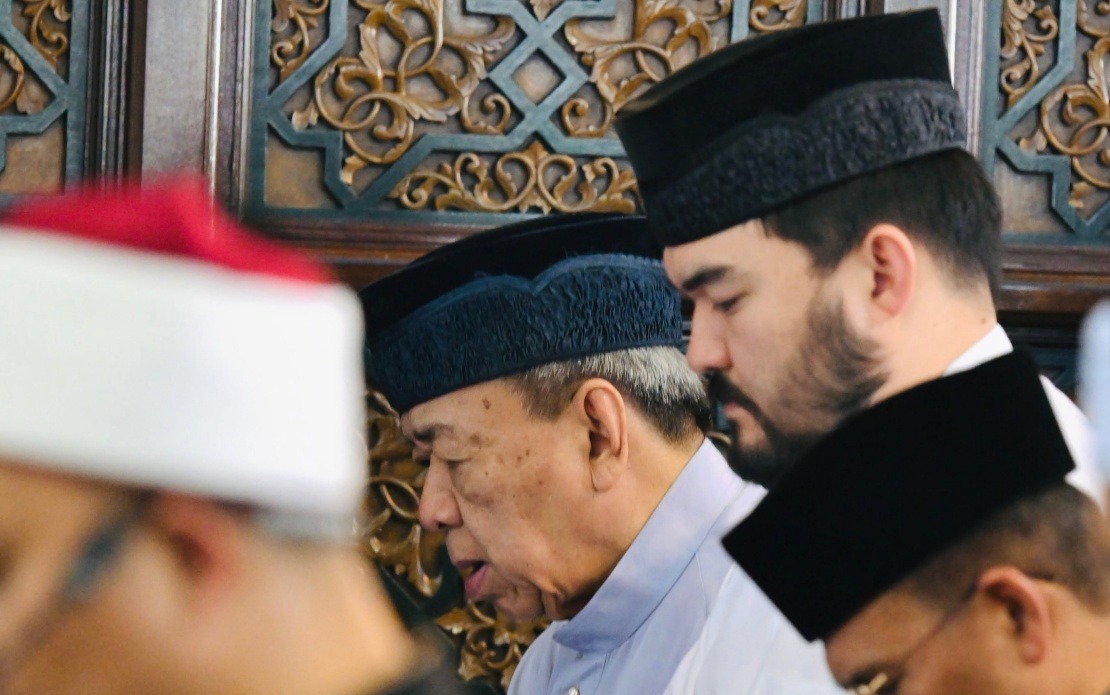
Sultan Sharafuddin Idris Shah, the reigning monarch of Selangor, has issued a significant call for the Muslim community to practise greater compassion towards animals, framing animal welfare as a core Islamic obligation. Speaking through a statement released via the Selangor Royal Office on August 14, the Sultan sought to galvanise reflection on a Friday sermon theme titled 'Ihsan Terhadap Mahkluk Allah SWT' (compassion towards Allah's creatures) that was delivered across mosques throughout the state. His intervention elevates animal welfare from a mere ethical concern to a matter of royal and religious significance, underscoring how Southeast Asian Islamic authorities are increasingly integrating environmental and animal welfare messaging into faith-based governance.
The Sultan's framing of human responsibility extends beyond simple kindness. He positioned stewardship as a sacred duty, arguing that humans carry profound custodial obligations over the natural world encompassing not only animals and plants but also landscapes, waterways, and ecosystems. This theological articulation resonates deeply within Islamic jurisprudence, where the concept of khalifah, or vicegerent, suggests that humanity holds delegated authority from the divine to manage creation wisely. By invoking this framework, Sultan Sharafuddin recontextualised animal welfare as integral to honouring Allah's creation rather than treating it as a peripheral concern disconnected from core religious practice.
The Sultan referenced the historical precedent of Prophet Muhammad's demonstrated commitment to compassionate animal treatment, leveraging prophetic tradition as an authoritative foundation for contemporary action. Islamic teaching, as the Sultan articulated, prescribes that believers provide animals with sustenance and water while categorically prohibiting deliberate cruelty. This grounding in hadith and Sunnah—the documented practices and teachings of the Prophet—provides legitimacy within traditional Islamic scholarship and appeals to believers' sense of religious duty. For Malaysian Muslims navigating increasingly secular societies, this royal articulation of animal welfare as a Quranic imperative rather than a Western secular value offers a culturally and religiously congruent pathway toward broader animal protection norms.
Central to the Sultan's message is his acknowledgment of tension between animal welfare and human interests, a pragmatic recognition that distinguishes his approach from absolutist animal rights positions. He explicitly permitted protective action against wildlife that threatens public safety or causes property damage, situating such measures within the framework of Maqasid Syariah—the foundational objectives of Islamic law centred on protecting faith, life, intellect, property, and lineage. This nuanced stance reflects sophisticated Islamic jurisprudential thinking that refuses to treat competing values as mutually exclusive. Rather than positioning compassion and pragmatism as opposites, the Sultan presented them as complementary principles that together constitute the comprehensive mercy inherent in Islamic teachings.
This pronouncement carries particular relevance for Malaysia, where rapid urbanisation has intensified human-wildlife conflict. States like Selangor, encompassing sprawling metropolitan areas alongside remaining forest reserves, frequently experience encroachment by wild animals seeking food in residential zones. Snakes, monitor lizards, wild boars, and even elephants occasionally venture into populated areas, creating genuine public safety hazards. By establishing religious legitimacy for defensive measures while simultaneously promoting compassion, the Sultan provided moral cover for practical wildlife management without requiring authorities to abandon Islamic principles of mercy. This positions Islamic jurisprudence as adaptable to contemporary urban realities rather than antiquated and impractical.
The Sultan's intervention also implicitly addresses the treatment of stray animals, a visible social problem in Malaysian cities where communities of feral dogs and cats inhabit streets, parks, and commercial areas. Unlike wildlife management, which few dispute is necessary, stray animal welfare involves less obvious immediate threat and therefore depends more heavily on voluntary compassion. By placing strays explicitly within the purview of Islamic compassion obligations, the Sultan elevated their moral status and implicitly challenged those who dismiss or abuse street animals as inconvenient. This messaging could influence local authorities' approaches to animal population management, encouraging adoption of sterilisation and relocation programmes over culling, though implementation would depend on resources and political will.
The theological architecture the Sultan constructed—positioning animal compassion as inseparable from environmental stewardship and human responsibility—reflects broader global trends in Islamic thought wherein contemporary scholars reinterpret classical jurisprudence through an environmental justice lens. As climate change and biodiversity loss accelerate, Muslim-majority nations increasingly recognise that Islamic teaching provides substantial resources for environmental protection when properly understood. The Sultan's emphasis on treating all creation as divine signs (ayat) rather than mere resources awaiting exploitation opens conceptual space for conservation and animal welfare policies grounded in faith rather than imposed externally.
The practical implications of this royal statement extend beyond Selangor's borders. Malaysian states with sultanates will likely monitor whether this messaging influences policy development around animal welfare legislation, wildlife corridor protection, and animal cruelty enforcement. The Sultan's framing also carries weight within Southeast Asia's broader Islamic discourse community, where Indonesian, Brunei, and Thai religious authorities may draw on Selangor's example when addressing similar issues. The precedent of a major state's reigning monarch dedicating royal communication to animal welfare could embolden Islamic civil society organisations advocating for stronger animal protection laws throughout the region.
Yet implementation challenges remain substantial. Royal pronouncements carry moral authority but limited enforcement capacity. Converting compassion rhetoric into concrete policy requires sustained engagement with civil servants, municipal authorities, and animal welfare organisations. Selangor's authorities would need dedicated funding, training programmes for wildlife management officers emphasising humane approaches, and community education campaigns explaining how compassion toward animals reflects Islamic values. Without such infrastructure, the Sultan's words risk remaining motivational messaging disconnected from operational reality, a common pattern in royal interventions on social issues.
The Sultan's carefully calibrated position—affirming both animal compassion and pragmatic human safety—also sidesteps more contentious animal welfare issues. The statement does not address factory farming practices, halal slaughter methods, or commercial animal use, areas where Islamic teaching permits exploitation while moral philosophers increasingly question whether such permissions remain ethically justified. By focusing on strays and wildlife rather than livestock and food systems, the Sultan navigated potentially divisive terrain, prioritising consensus-building over comprehensive animal ethics transformation. This pragmatism likely reflects recognition that immediate cultural acceptance depends on framing animal welfare as supplementary to rather than challenging established Islamic practices around food and livelihoods.
Looking forward, the statement's significance lies less in its immediate policy implications than in its symbolic elevation of animal welfare within Malaysian Islamic discourse. By connecting compassion to creatures with Quranic teaching, prophetic practice, and stewardship obligations, Sultan Sharafuddin Idris Shah provided theological permission for the growing number of Malaysian Muslims concerned with animal welfare to pursue their convictions without experiencing religious discomfort. Whether this translates into legislative momentum, funding for animal shelters and sanctuary programmes, or simply gradual cultural shifts in attitudes toward strays and wildlife depends on sustained organisational effort from animal welfare advocates capable of translating royal sentiment into administrative action.

