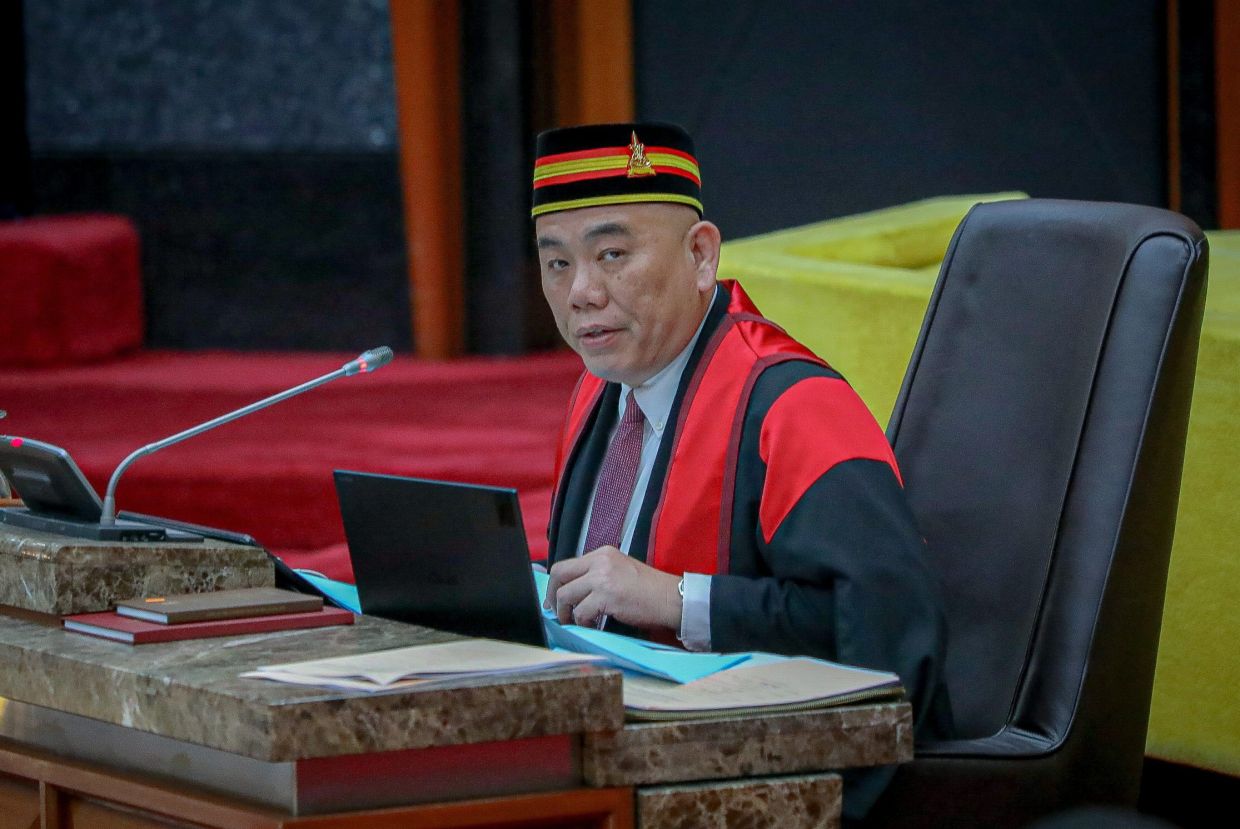
Selangor Speaker Lau Weng San has put to rest mounting speculation about possible by-elections in the state, confirming that a thorough review of all assemblymen has uncovered no legitimate grounds for any of them to vacate their seats. The announcement came during a press conference on the sidelines of Thursday's state assembly sitting in Shah Alam, effectively closing the chapter on weeks of uncertainty that had gripped political circles in Malaysia's most economically significant state.
The review, which concluded as of August 10, represented a sweeping examination across party lines and covered every aspect of potential disqualification, according to Lau. By encompassing all state representatives regardless of their political affiliation, the assessment demonstrated an inclusive approach to governance that sought to address concerns impartially. The Speaker's explicit confirmation that the checks were comprehensive and involved rigorous scrutiny of all assemblymen lent credibility to the findings and suggested there were no hidden issues lurking beneath the surface of state politics.
The speculation that triggered this review stemmed from a bankruptcy order issued against one state assemblyman earlier in August. Such orders typically carry significant implications for elected representatives, as bankruptcy can be grounds for disqualification from office in Malaysia's constitutional framework. However, the High Court's subsequent decision to set aside the bankruptcy order removed the primary catalyst for concern, effectively neutralising what had briefly appeared to be a crisis that could force voters back to the polls.
Beyond addressing the immediate question of seat retention, Lau also tackled the broader issue of assembly attendance, which has emerged as a persistent challenge for state governance. He revealed that a list of frequently absent assemblymen would be published on social media, introducing a degree of public accountability that underscores the seriousness with which the Speaker views this matter. The move reflects growing recognition among Malaysian legislators that transparency regarding attendance records serves the public interest, allowing constituents to monitor whether their representatives are fulfilling their legislative duties.
The Speaker provided context for legitimate absences, citing the example of the Bandar Baru Klang representative who had requested leave following surgical procedures and medical advice to rest for a week. Such examples illustrate that the speaker's office distinguishes between negligent absenteeism and justified absences, maintaining a balanced approach to enforcement. However, the underlying message was clear: assemblymen bear responsibility for managing their personal and professional schedules to prioritise their legislative obligations.
Statistics presented by Lau indicated that the state assembly typically experiences between three and five absentees at each sitting, suggesting the problem is not widespread but nevertheless warrants attention. While assemblymen face no legal obligation to notify the secretariat of their absence, Lau emphasised that non-attendance carries real consequences for their effectiveness as representatives. When members skip sittings, they forfeit opportunities to interrogate government policies, receive responses to constituent concerns, submit proposals, and absorb critical information conveyed during ministerial winding-up speeches—functions that lie at the heart of legislative representation.
A particularly notable aspect of Lau's statement concerned the discretionary power of state executive councillors to refrain from answering questions posed by absent assemblymen during concluding remarks. This mechanism, while procedurally valid, creates an incentive for attendance by effectively penalising absenteeism with reduced engagement from the executive. By linking participation to substantive debate, the system reinforces the principle that governance operates most effectively when all elected representatives are present and engaged.
Lau made a direct appeal to assemblymen to treat attendance as a priority, anchoring his argument in the reality that the Selangor State Assembly convenes only approximately three times annually, with each session lasting no more than two weeks. Given this limited schedule, he reasoned, assemblymen should readily accommodate their other commitments around these fixed parliamentary dates. The Speaker explicitly advised representatives to schedule constituency activities, meetings, and non-critical appointments to avoid clashes with assembly sessions, establishing clear expectations for time management.
The Speaker acknowledged that certain emergencies transcend such scheduling constraints, noting that deaths requiring immediate burial represent understandable exceptions to the attendance expectation. This nuanced stance demonstrates recognition that elected representatives juggle multiple roles and occasional genuine conflicts are inevitable. Nevertheless, Lau's emphasis on planning and prioritisation signals that such exceptions should remain rare rather than routine.
In a clarification regarding the mechanics of attendance, Lau confirmed that assemblymen who arrive partway through a session still satisfy attendance requirements if they participate in any portion of the proceedings. This inclusive definition prevents representatives from being penalised for unavoidable delays while maintaining the core expectation of substantive participation. The announcement also revealed that assemblymen receive financial incentives for attendance, earning RM200 for morning sessions and RM150 for afternoon sessions—modest sums that underscore the financial recognition of legislative duties.
For Malaysian observers and political analysts, the Speaker's multifaceted statement addressed several layers of governance simultaneously. The definitive ruling against forthcoming by-elections stabilises the political landscape and allows the government to concentrate on policy implementation rather than managing electoral upheaval. Simultaneously, the emphasis on attendance and the publication of absence records reflect evolving standards of accountability that increasingly characterise Malaysian democracy, where citizens demand tangible evidence that their elected representatives are discharging their constitutional responsibilities.
The implications extend beyond Selangor's borders, as the state's governance practices often influence approaches adopted elsewhere in Malaysia. The Speaker's transparent handling of the by-election speculation and his proactive measures to address attendance issues model a governance philosophy that combines decisive action with public communication. As Malaysian democracy continues to mature and voter expectations regarding representative accountability rise, such practices set benchmarks that other state legislatures may adopt or be pressured to emulate.

