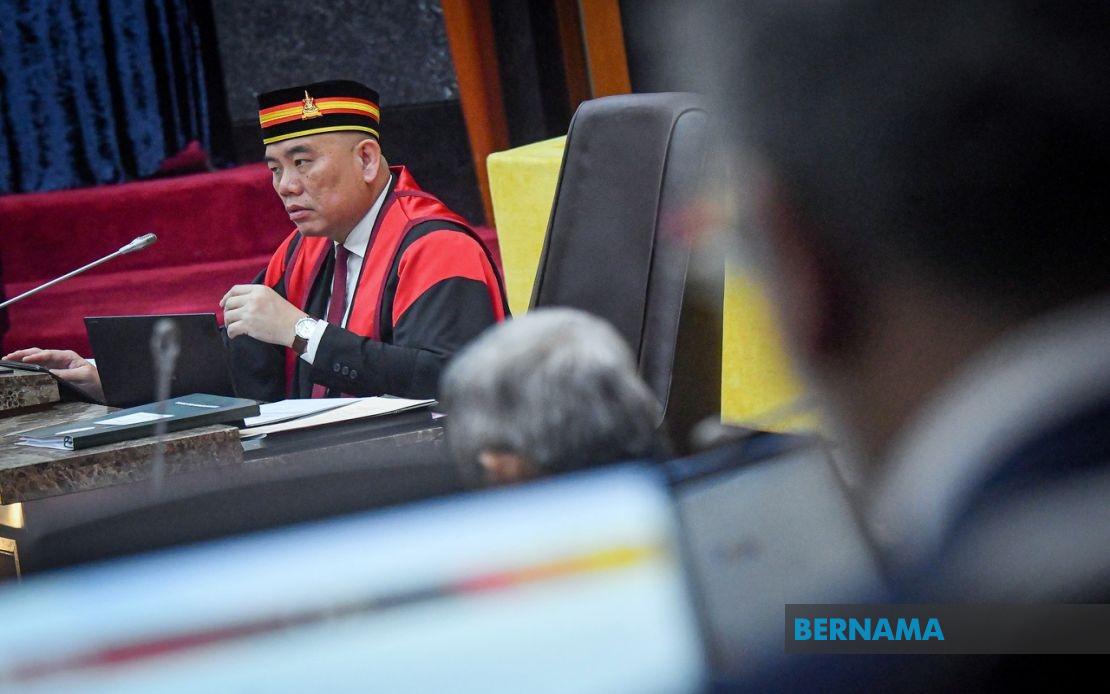
Selangor Speaker Lau Weng San has initiated a wide-ranging examination of the attendance and status records of all members in the state assembly, a process that will ultimately determine whether any parliamentary seats require formal declaration of vacancy. The comprehensive nature of the review—encompassing lawmakers from every political party represented in the chamber—underscores the procedural rigour being applied to what could potentially reshape the composition of the 86-member assembly.
The Speaker emphasised that his assessment remains methodical and ongoing, with no timeline yet fixed for completion. He stressed the importance of grounding any future decisions firmly in constitutional requirements and factual verification rather than assumption or conjecture. This measured approach reflects the high stakes involved, as premature or politically motivated declarations of vacancy could trigger constitutional challenges and destabilise the state government's legislative position.
Under the Selangor State Constitution, the mechanism for vacancy declaration hinges on a straightforward yet stringent criterion: any assemblyman who accumulates six consecutive months of absence from sittings without formal permission or official notification automatically forfeits his seat. This provision exists to ensure active participation in state affairs, yet its application requires careful documentation and individual assessment. The Speaker indicated that several assemblymen have proactively submitted explanatory letters detailing their absences, citing reasons ranging from health complications to personal circumstances, each of which will undergo separate evaluation before any decision materialises.
The timing of this review has taken on fresh urgency following remarks by Selangor Menteri Besar Datuk Seri Amirudin Shari, who projected that a determination regarding at least one state seat would emerge within the current week. This compressed timeline suggests underlying political pressures or anticipated administrative changes that have prompted acceleration of the Speaker's review process. The Menteri Besar further indicated that the state government stands ready to receive the Speaker's official notification and will subsequently refer the matter through the state legal adviser to appropriate authorities, potentially setting the stage for an election commission decision on whether a by-election must be held.
The political implications for Selangor are substantial. Any vacancy declaration would fundamentally alter the assembly's balance, particularly significant given the fragile coalition dynamics that have characterised Malaysian state politics in recent years. Should multiple seats be declared vacant, the resulting by-elections could reshape factional alignments within the state's governing coalition or provide opposition parties with opportunities to contest previously held seats. Conversely, failure to enforce the constitutional provision rigorously could invite accusations of selective application or political favouritism.
It is noteworthy that certain assemblymen were absent from today's sitting, sparking immediate speculation about potential links to the vacancy review. However, the Speaker cautioned against precipitate conclusions, noting that absences carry multiple explanations unrelated to constitutional breaches. This distinction matters significantly in Malaysian political culture, where parliamentary absences frequently relate to competing commitments, health emergencies, or administrative requirements rather than abandonment of duty. The Speaker's insistence on distinguishing between absence and disqualification reflects constitutional best practice and protects the integrity of the process.
The document itself comprises substantial administrative and procedural documentation, with the Speaker's office maintaining detailed records of notification letters submitted by assemblymen. This bureaucratic foundation forms the evidentiary basis upon which vacancy determinations will rest. Without such contemporaneous documentation, any declaration would be vulnerable to legal challenge, making the thoroughness of record-keeping essential to the legitimacy of eventual outcomes. The fact that multiple assemblymen have provided written notification of their absences suggests awareness of constitutional obligations and demonstrates good faith engagement with procedural requirements.
For Malaysian state politics more broadly, this Selangor situation exemplifies the continuing constitutional complexities surrounding legislative attendance and representation. Other state assemblies have grappled with similar questions, yet Selangor's relatively large size and recent political volatility make this case particularly consequential. The precedent established through the Speaker's handling of this review could influence how other legislative chambers address comparable situations, potentially strengthening or weakening enforcement of attendance provisions across Malaysian state governance.
The election commission's prospective involvement introduces another layer of procedural complexity. Should the Speaker declare any seats vacant, the EC must then determine whether by-elections should proceed or whether alternative mechanisms apply under electoral law. This coordination between the legislative and electoral spheres requires seamless communication and adherence to technical timelines, failures in which could generate further constitutional complications. The state legal adviser's preparation of supporting documentation suggests recognition of these multi-institutional requirements and reflects appropriate administrative preparation.
From the perspective of ordinary Selangor residents, the practical implications centre on representation and democratic legitimacy. Constituents deserve assurance that their elected representatives are actively serving in the state assembly and discharging legislative duties. The attendance provisions exist precisely to enforce this accountability, yet their application must balance procedural fairness against the need for decisive action. The Speaker's deliberate pace, while potentially frustrating to those demanding rapid resolution, reflects appropriate caution when constitutional powers affecting representation are at stake.
The coming week will prove pivotal, as the Speaker's review reaches what appears to be its conclusion. The announcement of the Speaker's determinations will either confirm that all assemblymen meet constitutional requirements or trigger the formal vacancy declaration process. Either outcome carries political significance for Selangor's governing coalition and will be scrutinised closely by opposition parties and political observers monitoring the state's stability. The broader principle at stake—whether attendance provisions in state constitutions receive meaningful enforcement or become merely symbolic—extends beyond Selangor to influence perceptions of legislative accountability across Malaysia's federal system.

