The Selangor government is making a final push to encourage non-pensioned military and police veterans to claim their Warriors' Day shopping vouchers before the August 31 expiration date. The state is concerned that a significant proportion of eligible recipients may miss out on the RM200 benefit if awareness and uptake do not improve substantially in the coming weeks. Officials announced the reminder at the State Legislative Assembly, underscoring the government's determination to ensure the initiative achieves its intended reach and impact.
Since the voucher scheme launched on July 29, uptake has been disappointingly low. Of the 8,391 non-pensioned armed forces and police veterans deemed eligible by authorities, only about 500 have submitted claims—representing less than six percent of the target beneficiaries. This sluggish response has prompted the Selangor authorities to intensify their outreach efforts and clarify the process, suspecting that logistical barriers and communication gaps may be preventing eligible individuals from coming forward.
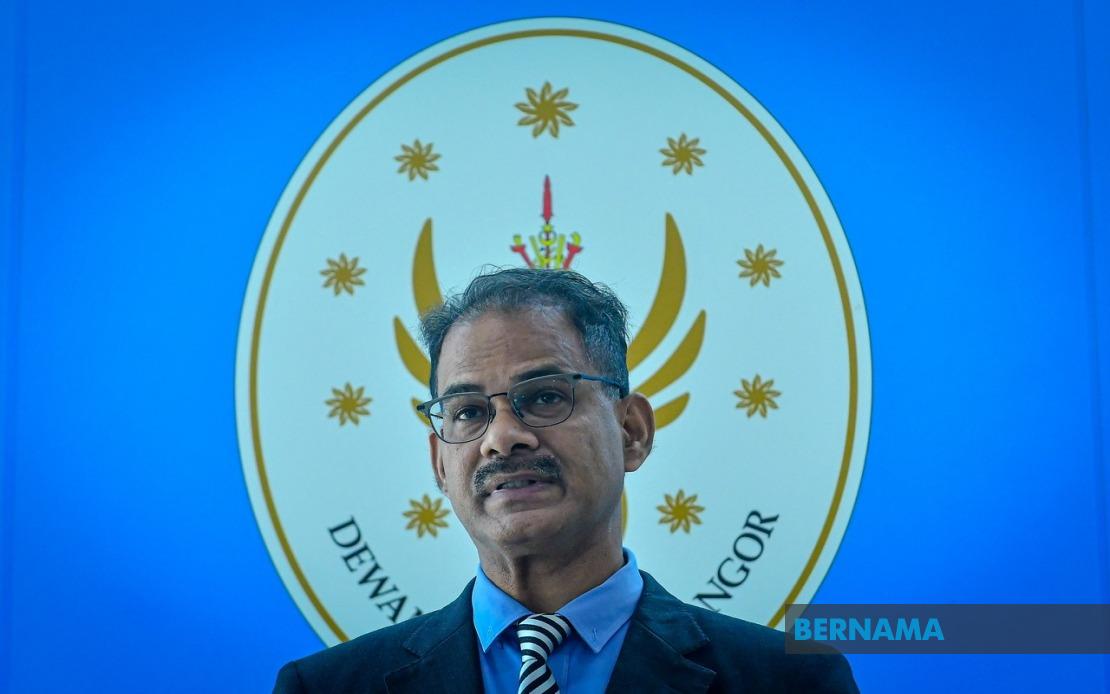
V. Papparaidu, chairman of the Human Resources and Poverty Eradication Committee, attributed much of the low claim rate to contact difficulties. Many veterans have changed phone numbers or relocated since their details were last updated on official records. The government has consequently made the process more flexible, allowing family members, representatives, or next-of-kin to apply on behalf of named recipients without requiring the individual themselves to present in person. This accommodation acknowledges the mobile nature of the veteran population and removes a significant procedural hurdle.
The eligibility lists underpinning this initiative were compiled through data provided by the Department of Veterans Affairs (JHEV) and the Royal Malaysia Police (PDRM). Once submitted, the Selangor Economic Planning Unit (UPEN) reviewed the information, and individual State Legislative Assembly service centres verified each entry. This multi-stage validation process ensures that allocations reach genuinely entitled individuals, though it also means that potential beneficiaries should contact their local assembly representatives to confirm their standing and claim status.
A distinctive feature of this programme is that no formal application is required. Because recipients were pre-selected based on official departmental records, eligible veterans need only visit their respective State Legislative Assembly service centre with appropriate identification to collect their vouchers. The absence of paperwork requirements is intended to lower barriers to access, particularly for older veterans who may find administrative processes challenging.
The voucher scheme represents a RM1.7 million financial commitment from the Selangor state government. Participating supermarkets throughout the state accept the vouchers for purchases of approved daily necessities, though restrictions apply—recipients cannot use them to buy cigarettes or alcoholic beverages. This targeted spending framework reflects the government's intent to direct assistance toward essential household items that genuinely improve living standards for retired servicemen and women.
The initiative carries broader symbolic weight for Selangor's relationship with its veteran community. Officials framed the scheme as tangible recognition of the contributions made by armed forces and police personnel throughout their careers protecting Malaysian citizens and national interests. By designating the support specifically around Warriors' Day, the state government connects its welfare effort to commemorations of sacrifice and service, reinforcing the message that veteran contributions remain valued and remembered.
For many non-pensioned veterans, the RM200 voucher addresses real gaps in household budgets. Unlike pensioned former personnel who receive regular monthly stipends, non-pensioned veterans often struggle with inconsistent or limited income streams. A one-time shopping voucher can meaningfully ease immediate pressures on family finances, helping cover groceries and other necessities that accumulate as regular expenses. This targeting of non-pensioned individuals reflects a deliberate policy choice to concentrate assistance where need is greatest.
The low claim rate also raises questions about government-to-citizen communication effectiveness in Selangor. Despite official channels, veterans remain substantially unaware of or unable to access the voucher scheme. This disconnect suggests that state agencies may need to enhance outreach through community leaders, veteran associations, mosque networks, and local council representatives to build genuine awareness. Simple announcements at assembly service centres may insufficient to reach populations with limited digital connectivity or regular engagement with government offices.
Authorities have instructed all State Legislative Assembly service centres to assist veterans in verifying eligibility, implying that staff at these centres should proactively help recipients understand their standing and guide them through the collection process. This frontline role is critical, as service centre personnel represent the government's direct interface with intended beneficiaries. Training and adequate resourcing of these centres thus become essential to converting eligible individuals into actual voucher recipients.
With roughly seven weeks remaining until the August 31 deadline, Selangor has a narrow window to substantially increase claim numbers. The state government must now employ more intensive communication strategies, potentially working through military associations, veteran communities, and local media to reach target groups. The RM1.7 million allocation remains relatively modest by state budget standards, yet its effectiveness hinges entirely on successful distribution and redemption.
Beyond the immediate administrative challenge, this initiative reflects evolving expectations around how Malaysian state governments address the welfare of retired service personnel outside formal pension structures. As Malaysia's veteran population ages and broader social support systems face resource constraints, targeted voucher and cash assistance programmes may become increasingly common policy tools. Selangor's experience—both successes and shortcomings—will likely inform how other states design and implement similar schemes in coming years.

