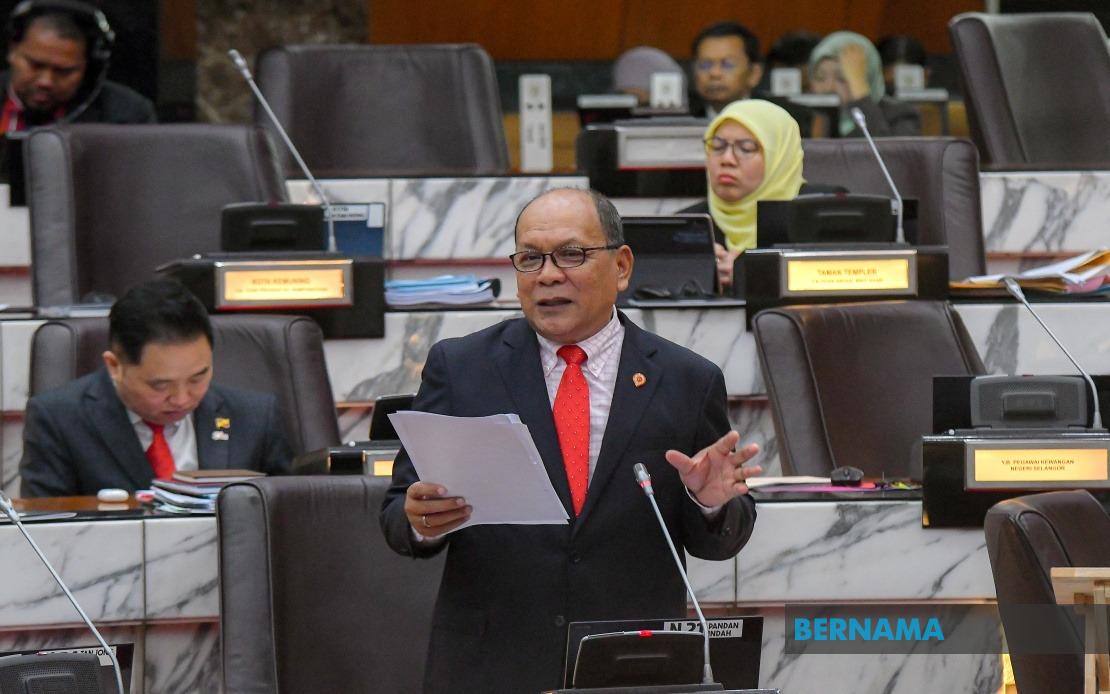
Selangor's critical flood management infrastructure is facing a mounting crisis as vandalism and theft at pump houses across the state spiral out of control, forcing the government to spend up to RM400,000 on repairs and replacement parts. The problem has become serious enough to compromise the state's ability to respond effectively to flooding, a persistent challenge in Malaysia's most developed and densely populated region. Speaking during the State Legislative Assembly sitting, Selangor Infrastructure and Agriculture Committee chairman Datuk Izham Hashim acknowledged the severity of the situation and outlined a multi-agency response to address what has become a significant drain on state resources.
The security breaches at these facilities represent more than a financial headache; they strike at the heart of Selangor's vulnerability to flooding. Pump houses are essential components of the drainage and irrigation system, providing the mechanical force needed to push water away from populated areas during heavy rainfall. When these facilities are damaged or rendered inoperable by theft, the entire system's effectiveness diminishes, leaving communities downstream at greater risk during monsoon seasons and periods of intense precipitation. The state government's delayed response to this deteriorating situation raises questions about how comprehensively officials have assessed the true scope of the problem and its cascading implications.
Datuk Izham disclosed that state leadership had engaged directly with the Selangor police chief to chart a course toward better enforcement and more robust security protocols at the targeted facilities. This escalation to senior law enforcement indicates the government recognizes that conventional security measures have proven insufficient to deter determined thieves and vandals. The discussion reflects a broader acknowledgment that protecting critical infrastructure requires a coordinated approach involving multiple stakeholders, each bringing different capabilities and authorities to bear on the challenge.
The concrete steps outlined by the committee chairman focus on technological and personnel-based solutions. Installation of closed-circuit television systems across pump houses will create visual documentation of activities on site, theoretically serving both as a deterrent and as evidence in prosecuting those caught damaging or stealing equipment. The Drainage and Irrigation Department and Public Works Department have been directed to prioritize these upgrades, signaling that the state government views immediate action as necessary to prevent further deterioration of these essential facilities. Beyond CCTV deployment, security arrangements at individual sites are being reviewed and reinforced, though specific details about staffing levels or physical barriers remain unclear.
The appeal for support from police and security agencies underscores the reality that state government departments cannot single-handedly solve this problem. The Royal Malaysia Police will need to increase patrols in areas surrounding pump houses, and specialized units may be tasked with investigating organized theft rings if such networks are indeed operating. Private security companies may also be engaged to provide on-site presence during vulnerable hours, particularly at night when vandals and thieves are most likely to operate with minimal risk of detection. The coordination between government agencies and external security partners will be crucial to the initiative's success.
Jefri Mejan from Ijok, who raised the issue in the assembly, represents constituencies that have experienced extended flooding periods in recent years. His supplementary question directing attention to the gap between government efforts and the persistent problem reflects constituent frustration with repeated flood incidents that disrupt businesses, damage property, and threaten lives. By linking the pump house damage directly to prolonged flooding, Mejan framed the vandalism and theft issue as something affecting public safety and economic productivity, not merely as a maintenance concern.
The RM400,000 cost figure provides a quantifiable measure of the problem's scale, though observers note this represents only the repair and replacement expenses documented so far. Additional costs may include emergency response deployments when pump houses fail during critical periods, overtime payments for staff managing system disruptions, and indirect economic losses in affected communities. The true fiscal burden to Selangor residents and businesses likely exceeds the headline figure, particularly during major flooding events exacerbated by non-functional pump stations.
This infrastructure vulnerability highlights a broader challenge facing Malaysian state governments: protecting essential public assets in environments where economic desperation, organized scrap metal trafficking, and inadequate surveillance converge. Selangor, despite its relative prosperity and higher tax base compared to other states, remains vulnerable to these pressures. The theft of pump components suggests a functioning black market for such materials, indicating that vandals and thieves have ready buyers willing to pay for stolen equipment, spare parts, or scrap metal. Breaking this supply chain through coordinated law enforcement and market monitoring represents a longer-term strategy beyond the immediate security enhancements announced.
The government's commitment to explore additional measures beyond CCTV and police support suggests recognition that current approaches may require supplementary tactics. These could include community engagement programs encouraging residents to report suspicious activities, technological innovations like remote monitoring systems providing real-time alerts when unauthorized access is detected, or legislative measures imposing harsher penalties on those convicted of damaging critical infrastructure. Each approach carries different cost and implementation implications that officials will need to weigh carefully.
For Malaysian citizens concerned about flood resilience and public safety, this situation encapsulates a fundamental tension in modern governance. States must invest in physical infrastructure to manage environmental risks, yet protecting those investments from determined criminals requires ongoing expenditure and vigilance. Selangor's response, while comprehensive in scope, demonstrates that even affluent states cannot take their critical systems for granted. As climate change intensifies rainfall patterns across Southeast Asia, ensuring the integrity and functionality of flood management infrastructure becomes increasingly vital to protecting lives and livelihoods.

