Selangor's push to formally recognise its indigenous villages has reached a pivotal milestone, with over half of the state's 74 registered Orang Asli settlements now undergoing gazetting procedures. The progress represents a significant step toward securing legal recognition and land rights for communities that have historically faced administrative and territorial challenges across the state's diverse districts.
V. Papparaidu, the Selangor human resources and poverty eradication committee chairman, outlined the advancement during a visit to Hulu Selangor on August 15, expressing optimism that meaningful progress would materialise before the close of 2026. The gazetting process, which formally designates land boundaries and establishes legal recognition for settlements, has become increasingly urgent as indigenous communities seek clarity on their territorial claims and developmental rights within Malaysia's complex land administration framework.
However, the path toward full recognition has encountered substantial obstacles. A significant proportion of indigenous villages occupy areas classified as Malay reserved lands, creating jurisdictional complications that require careful negotiation between state authorities and federal land administrators. These overlapping claims reflect broader tensions in Malaysian land policy, where multiple layers of regulation—federal, state, and community-based—must be reconciled. Selangor officials have committed to engaging district officers to unravel these zoning disputes, a process that demands coordination across bureaucratic divisions.
Beyond the gazetting initiative, the Selangor administration intends to accelerate the recognition process by including villages not yet formally listed in the state's indigenous registry. This expanded approach acknowledges that some settlements operate without official acknowledgement, leaving residents vulnerable to land disputes and excluded from government assistance programmes. By broadening the scope of gazetting efforts, state authorities aim to address a historical gap in documentation that has marginalised many Orang Asli communities across the peninsula.
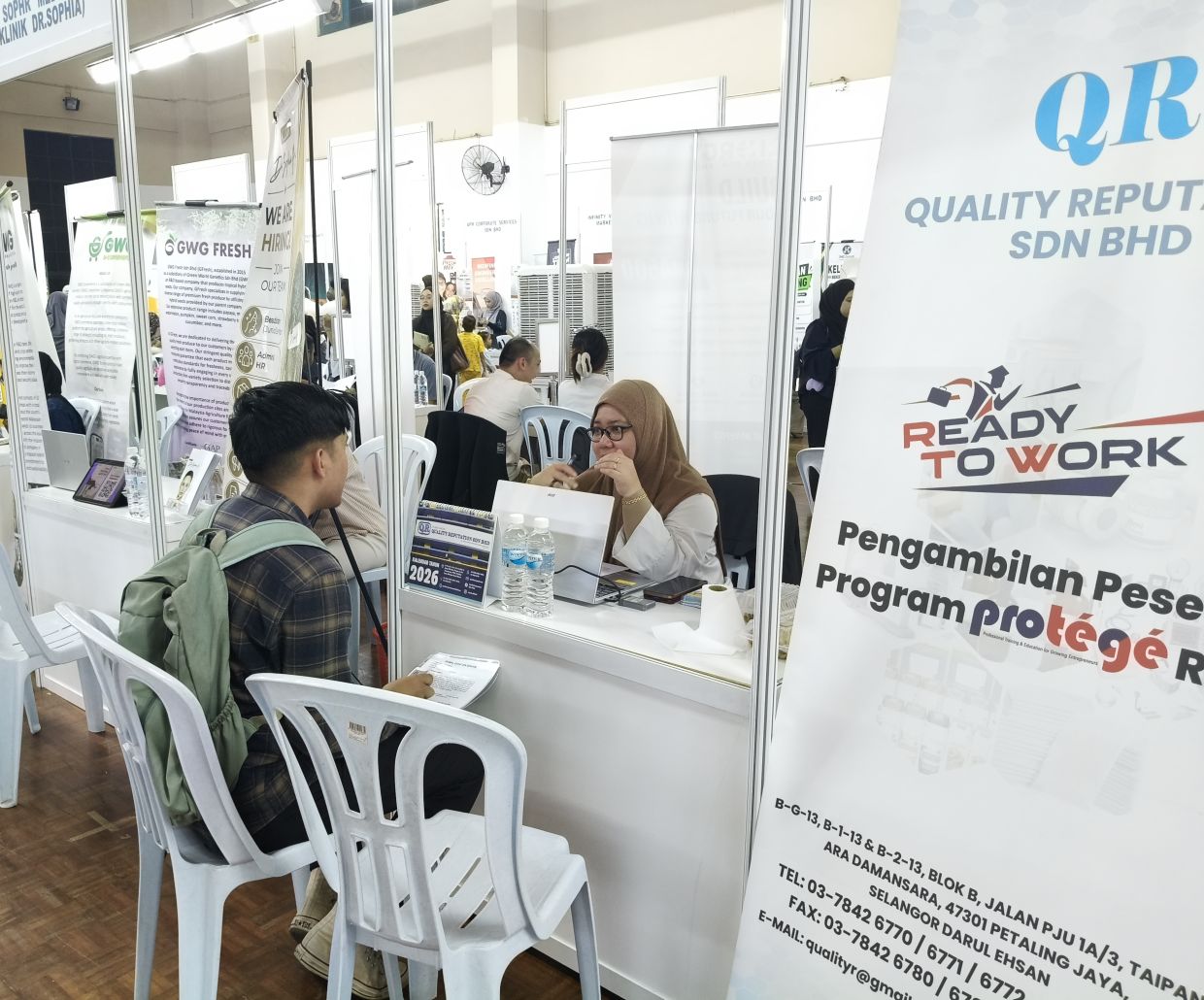
The gazetting drive formed part of a broader employment and economic empowerment initiative launched in Hulu Selangor. The JobCare Selangor job carnival, held concurrently with a women's resilience programme, offered 5,785 positions from 38 employers, demonstrating the state's multifaceted approach to lifting communities out of poverty. The manufacturing sector dominated vacancy listings with 2,560 openings, reflecting Selangor's continued reliance on industrial production as an economic engine. Of the total opportunities, 5,005 positions were situated within Selangor itself, whilst the remainder extended into neighbouring Perak and Negri Sembilan, suggesting cross-border employment mobility for jobseekers in the region.
Salary offerings at the carnival underscored growing opportunities in the labour market. Nearly two-thirds of available positions provided monthly compensation exceeding RM2,500, a threshold that enables families to move beyond subsistence living in Malaysia's current economic climate. Senior roles carried substantially higher remuneration, with managerial posts ranging from RM8,000 to RM10,000 monthly, signalling pathways for career progression within participating firms. These salary structures suggest that Selangor's employment landscape increasingly accommodates skill-based advancement rather than relegating workers to low-wage sectors.
Skill development has emerged as a cornerstone of Selangor's poverty reduction strategy. The state government has funnelled resources into its Technical Skills Development Centre to equip younger cohorts with practical training in high-demand fields. Recognising that educational qualifications often function as gatekeepers to improved employment prospects, the administration has targeted particularly vulnerable groups, including unqualified teaching personnel who entered the profession following secondary schooling without formal tertiary credentials.
In one notable intervention, Selangor facilitated diploma-level qualifications for 20 to 30 schoolteachers who lacked formal credentials beyond their secondary education. Through an intensive three-month curriculum, these educators obtained a Malaysian Skills Certificate at level 4, equivalent to diploma status under the national qualification framework. Many had entered teaching immediately after sitting their Sijil Pelajaran Malaysia examination, compelled by family circumstances or economic necessity rather than deliberate career planning. With upgraded qualifications, these teachers now access salary increments that reflect their enhanced credentials, demonstrating how targeted upskilling can deliver tangible income improvements within the existing workforce.
The job carnival incorporated support mechanisms designed to address barriers faced by specific demographic groups. A career comeback programme administered by Talent Corporation Malaysia Berhad specifically targeted mothers seeking re-entry into the workforce after absences, acknowledging that caregiving responsibilities have traditionally disrupted women's career trajectories. Simultaneously, the Social Security Organisation provided resume review services, offering jobseekers professional guidance on presentation and application strategies—a resource that may prove particularly valuable for individuals from disadvantaged backgrounds with limited exposure to formal recruitment processes.
For Malaysian policymakers and Southeast Asian observers, Selangor's concurrent efforts on indigenous land recognition and employment creation illustrate an emerging model of inclusive development. Rather than treating land rights and economic participation as separate issues, the state has integrated gazetting initiatives with skills training and employment facilitation. This holistic approach recognises that sustainable poverty reduction requires securing both territorial dignity for indigenous communities and broadening economic opportunity across vulnerable populations. As urbanisation and industrial expansion continue reshaping the Malaysian landscape, such coordinated strategies may prove essential for preventing marginalisation and ensuring that historically overlooked communities participate meaningfully in national development.

