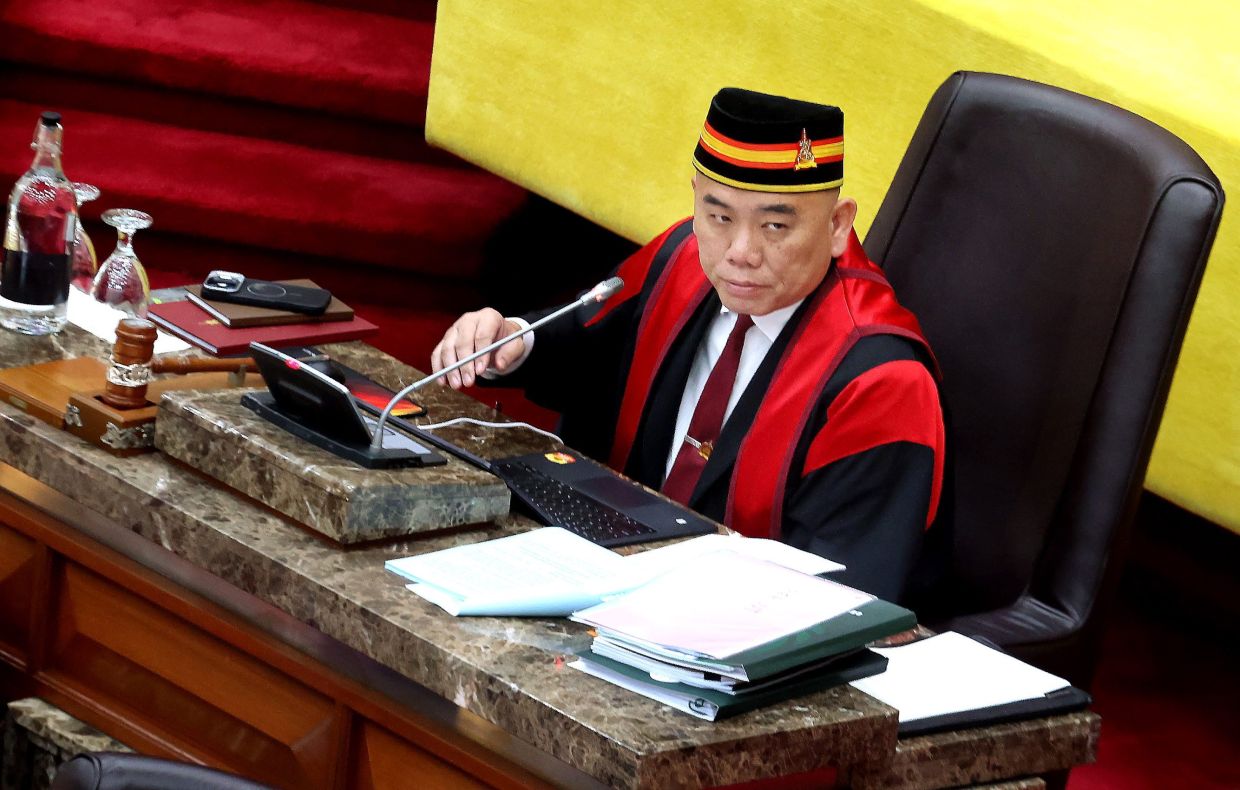
An investigation is underway in Selangor following allegations that a state assemblyman has been declared bankrupt, though authorities have not yet disclosed the legislator's identity. Selangor Speaker Lau Weng San announced the ongoing inquiry during Monday's sitting at Bangunan Dewan Negeri Selangor on August 3, emphasising that no further details would be released until investigators have completed their work comprehensively.
The scope of the investigation spans multiple dimensions beyond the bankruptcy allegation itself. Lau indicated that the probe would encompass involvement from various stakeholders and examine facets connected to all state constituencies and relevant regulatory bodies. This comprehensive approach suggests that authorities are treating the matter seriously, recognising that such a situation could have broader implications for the state assembly and public confidence in its elected representatives.
The identity of the assemblyman in question remains shielded as the investigation proceeds. When asked whether the individual might be among lawmakers absent from Monday's proceedings, Lau cautiously refrained from confirmation, noting that legislators absent themselves for legitimate reasons spanning medical leave to other approved grounds. This measured response reflects the Speaker's awareness that drawing premature conclusions about absenteeism could be misleading or unfair to the representative involved.
Under the Selangor State Constitution, strict procedures govern the removal of an assemblyman's seat. A legislator's position can only be declared vacant by the Speaker if that individual fails to attend assembly sittings consecutively for a six-month period without providing formal notice to authorities. This constitutional safeguard prevents hasty actions and allows for legitimate circumstances where members may be temporarily unable to participate in proceedings.
The Speaker pointed to a precedent that clarifies how these constitutional provisions operate in practice. Former Batang Kali assemblyman Harumaini Omar's seat was declared vacant on February 16, 2023, following his failure to attend sittings for more than six months without authorisation. That case established that the threshold is applied strictly, requiring both the passage of significant time and the absence of formal communication before drastic measures are taken.
Should the bankruptcy allegations be substantiated through the investigation, the consequences for the assemblyman's parliamentary status would fall within the purview of the Election Commission rather than the Speaker's office. Lau explicitly stated that electoral authorities would determine whether a by-election becomes necessary if the allegations prove accurate. This delineation of responsibility ensures that constitutional processes are properly followed and that decisions affecting representation rest with the appropriate institutions.
The timeline for completing the investigation remains uncertain, with the Speaker declining to specify when findings might be announced. Lau stressed the importance of thorough vetting, emphasising that rushing to conclusions without adequate verification would be inappropriate and potentially damaging to the integrity of the process. His emphasis on patience and methodical investigation underscores the complexity involved in confirming bankruptcy status, which may require coordination with multiple agencies and documentation review.
Bankruptcy declarations carry significant weight in Malaysian politics, as they relate to a legislator's fitness for office and compliance with legal obligations. The investigation touches on fundamental questions about accountability and whether elected representatives maintain the standards expected of them. For Selangor voters, the matter represents a test of institutional oversight and the ability of legislative bodies to police themselves effectively.
The broader context matters for understanding the investigation's importance. Malaysian state legislatures increasingly face scrutiny regarding their effectiveness and the quality of representation provided to constituents. Any indication that lawmakers may be operating outside legal parameters—whether through undisclosed financial difficulties or other infractions—raises public concerns about whether elected officials are appropriately prioritising their legislative responsibilities and public service obligations.
The investigation also highlights the intersection between personal financial circumstances and public office. Malaysia's constitutional framework presumes that legislators should maintain financial integrity, and bankruptcy allegations suggest potential violations of this expectation. How authorities handle such matters sets precedents for future cases and demonstrates whether institutional mechanisms for accountability function as intended.
For the Selangor state government and its assembly, the investigation represents an opportunity to reinforce public confidence in legislative institutions. Transparent handling of serious allegations, combined with thorough investigation and proper application of constitutional procedures, can demonstrate that the system possesses adequate checks on representatives who may have breached expected standards. The focus on procedural propriety reflects this institutional commitment.
Within the wider Malaysian political landscape, the Selangor situation echoes concerns that periodically surface regarding the conduct and circumstances of state and federal representatives. Each case investigated and handled appropriately strengthens the framework of accountability that underpins democratic governance. The Speaker's measured approach to the current allegation suggests recognition that both swift action and premature judgment must be balanced against the need for fairness and accuracy in such matters.

