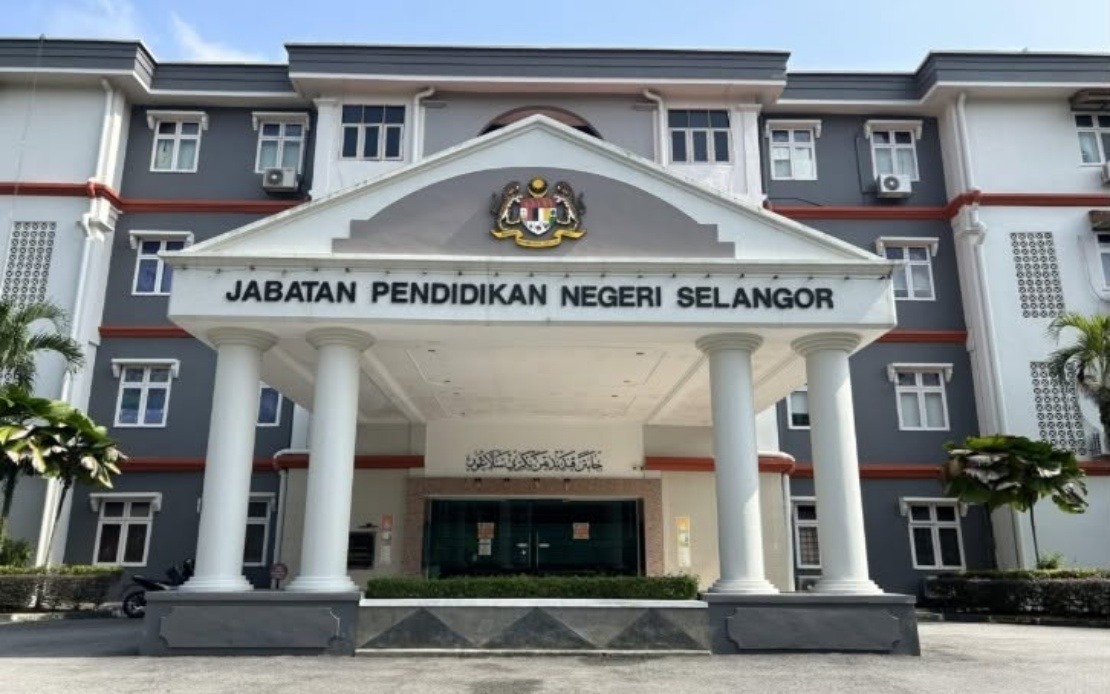
The Selangor State Education Department has moved swiftly to address mounting public concern over a bullying incident involving secondary school students in Rawang that captured public attention after video evidence circulated across social media platforms. In a formal statement released on July 12, the department signalled its unwavering commitment to supporting the ongoing police investigation and ensuring that accountability measures are enforced without exception or favouritism.
The department's forceful response underscores the gravity with which Malaysian authorities are treating the matter, particularly given the amplifying effect of viral content on public perception of school safety. The Selangor JPN made clear that no person implicated in the incident would receive preferential treatment or protection, a statement that carries significant weight in addressing public fears about institutional bias or institutional failures in student protection protocols.
Official channels confirmed that the matter is actively being examined by police, with the education department positioning itself as a cooperative partner in the investigative process rather than a defensive institution. This collaborative approach represents a shift towards greater transparency in how authorities handle sensitive cases involving minors, an approach increasingly demanded by Malaysian society as concerns about bullying and school safety intensify across the country.
The bullying incident has struck a chord with Malaysian parents and educators at a time when online platforms have become primary venues for documenting school misconduct. The viral nature of the footage has transformed what might otherwise have remained an isolated disciplinary matter into a broader conversation about institutional accountability and the effectiveness of safeguarding measures within secondary schools. The department's unequivocal stance suggests recognition that public trust depends on demonstrable action rather than administrative formulae.
By explicitly stating that strict disciplinary action would be applied to any students found culpable under existing regulations, the Selangor JPN has attempted to reassure stakeholders that established protocols will be rigorously enforced. These regulations typically encompass a range of penalties from warnings to suspension, though the exact measures depend on the severity of the bullying behaviour and the findings of the investigation. The department's insistence on regulatory compliance signals that decisions will be guided by policy rather than discretionary judgment.
The Rawang incident reflects broader challenges facing Malaysian schools as digital technology enables faster dissemination of evidence documenting student behaviour. Incidents that previously might have been managed quietly at school level now become subject to public scrutiny and pressure, forcing institutions to adopt more transparent and accountable stances. This dynamic has fundamentally altered the landscape of school discipline and pastoral care, requiring educators to balance institutional reputation management with genuine student protection imperatives.
The department's explicit appeal for public patience with the investigative process represents an attempt to manage online sentiment and prevent premature judgment. This plea recognises that social media commentary can sometimes outpace factual findings, potentially compromising investigations or unfairly prejudging individuals. However, such appeals must be weighed against legitimate public interest in understanding what safeguarding failures may have permitted the incident to occur in the first place.
For Malaysian parents and educators observing from other states, the Selangor JPN's response provides a template for how state education authorities might handle similar incidents in their jurisdictions. The emphasis on cooperation with law enforcement, clarity regarding disciplinary thresholds, and commitment to student safety represents a standard that stakeholders can reasonably expect from their own institutions. This precedent may shape public expectations across Malaysia regarding institutional responsiveness to bullying cases.
The investigation will likely examine not only the students directly involved in the bullying but also the broader school environment and institutional responses that may have enabled the behaviour. Questions about whether teachers or school administrators were aware of the bullying beforehand, why preventive measures were apparently ineffective, and what reporting mechanisms students had available will likely form part of the investigative scope. These institutional dimensions are often as important as individual culpability in preventing future incidents.
Beyond the immediate disciplinary outcomes, the case serves as a catalyst for broader reflection on bullying prevention strategies within Malaysian secondary schools. The Selangor JPN's strong stance may prompt other education departments to review their own bullying policies, teacher training protocols, and student support systems. Schools nationwide are likely examining whether their current safeguarding frameworks adequately protect vulnerable students and whether social media literacy forms part of their curriculum addressing digital citizenship and online behaviour.
The viral nature of the Rawang incident has also implications for media literacy and digital culture among Malaysian youth. As students increasingly document and share footage of peer misconduct, questions arise about appropriate boundaries between accountability and public shaming, between justice and digital vigilantism. Schools will need to grapple with teaching students about ethical use of technology while maintaining accountability for genuine misconduct.
Moving forward, the handling of this case by the Selangor JPN will serve as a measure of institutional credibility. How thoroughly the investigation is conducted, whether findings are communicated transparently to stakeholders, and whether promised disciplinary action is visibly implemented will determine whether public confidence in school authorities is restored or further eroded. In an era where information travels instantaneously and institutional trust is fragile, the department's performance will resonate across Malaysian society.

