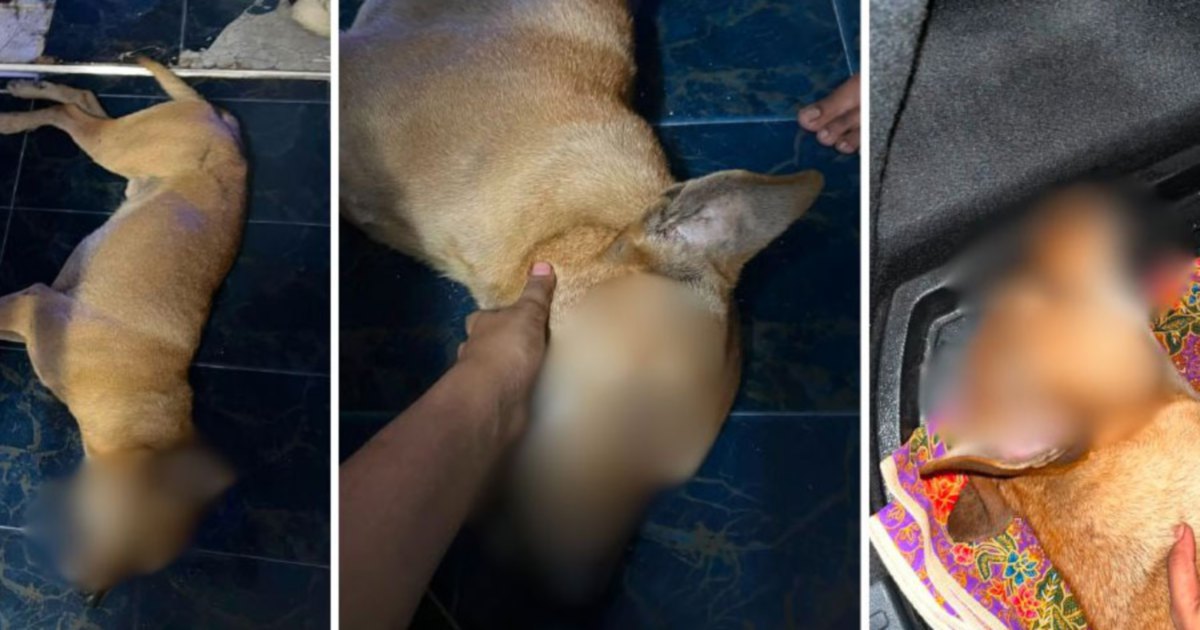
The Selangor Department of Veterinary Services has escalated its investigation into allegations of animal abuse by lodging a formal police report and collecting statements from multiple witnesses and individuals connected to the case. The probe centres on a video that circulated publicly, purporting to show instances of mistreatment involving an animal named Rocky, sparking public concern and triggering official intervention.
The decision by DVS to file a police report signals a shift from preliminary inquiry to formal criminal investigation, placing the matter within law enforcement's jurisdiction. This move reflects the gravity with which authorities are treating the allegations and suggests sufficient grounds for suspicion that criminal offences may have been committed. The involvement of both veterinary and police authorities indicates coordination between multiple government agencies to ensure a thorough examination of the evidence.
By recording statements from various individuals, DVS is building a documented record of accounts and observations related to the alleged abuse. These witness testimonies typically form a foundational layer of evidence in animal welfare cases, helping investigators establish timelines, identify potential perpetrators, and corroborate visual evidence captured in video footage. The breadth of statement-taking suggests authorities are casting a wide net to capture all relevant information.
The Rocky case reflects growing public sensitivity to animal welfare issues across Malaysia and Southeast Asia. Social media amplification of animal abuse allegations has heightened awareness and occasionally prompted swift official action. In this instance, the video's circulation appears to have catalyzed formal government response, demonstrating how digital documentation can mobilize institutional accountability mechanisms.
Malaysia's legal framework for animal protection has evolved significantly in recent years. The Animal Welfare Act 2015 provides DVS and other authorities with powers to investigate cruelty allegations, remove animals from harmful situations, and recommend prosecutions. The statute defines abuse broadly to encompass deliberate infliction of pain, unnecessary suffering, and failure to provide adequate care. Convictions can result in substantial fines and imprisonment, depending on severity.
DVS investigations into abuse allegations typically proceed through several stages. Initial examination involves veterinary assessment of the animal's physical and psychological condition, documentation of injuries or signs of neglect, and gathering of environmental evidence. Parallel to this, investigators interview individuals present during alleged incidents, seek witness accounts, and examine any available surveillance or photographic evidence. The formal police report effectively anchors these findings within the criminal investigation system.
The statement-recording phase is critical because it establishes legal accountability and creates contemporaneous records that withstand judicial scrutiny. Statements obtained at this early stage help investigators identify inconsistencies or corroborations that might otherwise be overlooked. For potential defendants, the process also ensures their account is documented in official channels, though this does not prejudge guilt or innocence.
Public interest in animal abuse cases has intensified across Malaysia, driven by heightened social media engagement and growing animal welfare advocacy. Organisations dedicated to protecting animals have expanded their activities, ranging from public education to rescue operations and legal support. The Rocky case exemplifies how public outcry can trigger official action, though investigators must distinguish between substantiated evidence and social media narratives.
The investigation's outcome remains uncertain at this stage. Authorities will need to establish not only that abuse occurred but also that specific individuals bear responsibility. Video evidence, while compelling, may require expert interpretation regarding the circumstances, intentionality, and severity of alleged mistreatment. Witness accounts must be corroborated, and alternative explanations must be rigorously examined to meet evidentiary standards applicable in criminal proceedings.
For Malaysian pet owners and animal welfare advocates, the DVS action represents institutional recognition of their concerns. It suggests that documented evidence of animal mistreatment, particularly when shared widely, can prompt serious investigation. However, the case also underscores the importance of accurate reporting and careful interpretation of visual content, as context and expert assessment are essential to determining whether specific conduct constitutes criminal abuse.
The involvement of multiple agencies reflects a broader shift toward coordinated responses to animal welfare complaints. DVS brings veterinary expertise and statutory authority, while police provide investigative resources and prosecutorial coordination with the Attorney General's chambers if charges are warranted. This institutional alignment increases the likelihood of comprehensive investigations and consistent application of animal protection laws across jurisdictions.
As the investigation unfolds, authorities will likely face questions about timelines, the specific charges being considered, and the animal's current welfare and custody arrangements. Such inquiries are standard in abuse cases and reflect legitimate public interest in ensuring both accountability and the victim's protection. The case may establish precedents for how Malaysian authorities handle animal abuse allegations in the digital age.

