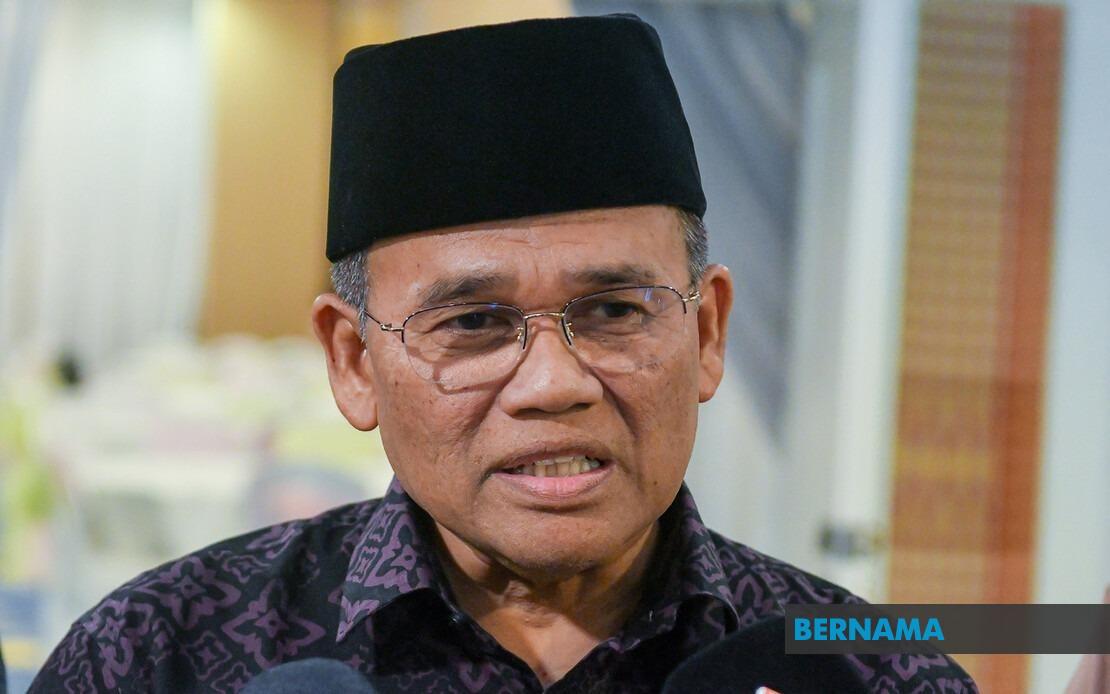
The Selangor Islamic Religious Council (MAIS) has provided formal authorisation for Friday prayers to be held at the musala within IOI City Mall, Putrajaya, a decision that took effect from September 6, 2024. The clearance came through the Selangor State Mosque and Surau Governance Committee (JATUMS) following proper assessment procedures and secured the approval of Sultan Sharafuddin Idris Shah, the reigning Sultan of Selangor. This approval represents a significant accommodation of practical worship needs in one of Malaysia's major commercial centres, responding to the concentration of Muslim workers and visitors in the area.
According to MAIS chairman Datuk Salehuddin Saidin, the authority arrived at this decision after determining that the shopping mall premises houses a substantial workforce of male Muslim employees alongside receiving considerable numbers of Muslim patrons. These demographic factors create genuine logistical constraints for workers attempting to fulfil their Friday prayer obligations at existing facilities in the vicinity. The decision underscores how Malaysia's religious authorities balance traditional mosque-centred worship with the realities of modern commercial and employment landscapes, where large numbers of Muslims work far from established prayer institutions.
The geographical challenge facing workers became a central justification for the approval. The nearest established mosques to IOI City Mall are separated from the location by considerable distances that render attendance impractical during the standard Friday prayer timeframe. Masjid Al-Mustaqim in Kampung Dato' Abu Bakar Baginda lies approximately 7.6 kilometres distant, whilst Masjid UNITEN in Kajang measures roughly 7.7 kilometres away. Beyond mere distance, both institutions face serious capacity constraints that would prevent them from accommodating the volume of congregants who would require Friday prayer facilities if all workers and visitors were compelled to use these mosques.
This situation reflects broader infrastructural challenges in Malaysia's rapidly expanding commercial zones, where employment growth has outpaced the development of corresponding religious facilities. Many Malaysian shopping malls, business parks, and commercial districts lack dedicated mosque infrastructure despite housing thousands of Muslim employees during peak business hours. The IOI City Mall case demonstrates how religious authorities must navigate the intersection of Islamic practice requirements and contemporary urban realities, where workers cannot always access traditional mosque facilities within the time constraints of the Friday prayer window.
Critically, MAIS has characterised this arrangement as temporary rather than permanent. The council has explicitly stated that permission to conduct Friday prayers within the musala will terminate once a dedicated mosque facility near the shopping mall has been completed and becomes operational with sufficient capacity to serve the surrounding area. This conditional approach reflects Malaysia's policy framework, which maintains mosques as the primary and preferred venues for Friday prayers, treating alternative prayer spaces as interim measures responding to specific circumstances. The temporary designation also preserves MAIS authority to manage prayer facilities according to Islamic law and established governance protocols.
Datuk Salehuddin's earlier statement provided additional context regarding the broader policy position. He clarified that Sultan Sharafuddin had not granted general consent for shopping centre-based suraus or musalas throughout Selangor to conduct Friday prayers on an ongoing basis. Rather, the IOI City Mall arrangement represents an exceptional case justified by the specific combination of high worker density, visitor volume, and geographic distance from adequate existing mosque facilities. This distinction matters considerably, as it indicates that religious authorities are exercising measured discretion rather than opening a wholesale shift toward retail-based prayer spaces.
The involvement of multiple institutional layers in this approval process highlights the structured approach Malaysia adopts toward religious governance. MAIS, as the state Islamic council responsible for managing Islamic affairs in Selangor, collaborated with JATUMS, the designated committee overseeing mosque and surau regulation, whilst ultimately requiring royal consent from the Sultan. This multi-layered approval system ensures that decisions affecting Islamic practice receive scrutiny from religious, administrative, and royal perspectives, reflecting Malaysia's constitutional framework that vests authority over Islamic matters with individual state rulers and their designated institutions.
Moving forward, MAIS and the Selangor Islamic Religious Department (JAIS) have committed to maintaining oversight of how Friday prayers operate at this location. Both bodies intend to ensure that worship practices at IOI City Mall conform to Islamic law and relevant legal provisions whilst protecting the interests of the Muslim community. This supervisory commitment suggests that the arrangement involves specific guidelines regarding prayer administration, facilities management, and congregant conduct, rather than an entirely autonomous arrangement within the shopping mall's commercial operations.
For Southeast Asian readers, this situation encapsulates how Muslim-majority nations address the practical implications of religious obligations in modernising economies. Malaysia's approach demonstrates a pragmatic flexibility within a structured framework—acknowledging genuine accessibility barriers whilst maintaining institutional oversight and avoiding blanket commercialisation of prayer spaces. The temporary designation also signals that infrastructure development, including new mosque construction near major employment centres, remains a policy priority. As Malaysia continues urbanising and commercial activity concentrates in mega-mall environments, how religious authorities adapt traditional institutional arrangements to contemporary circumstances will shape the landscape of Islamic practice across the region.

