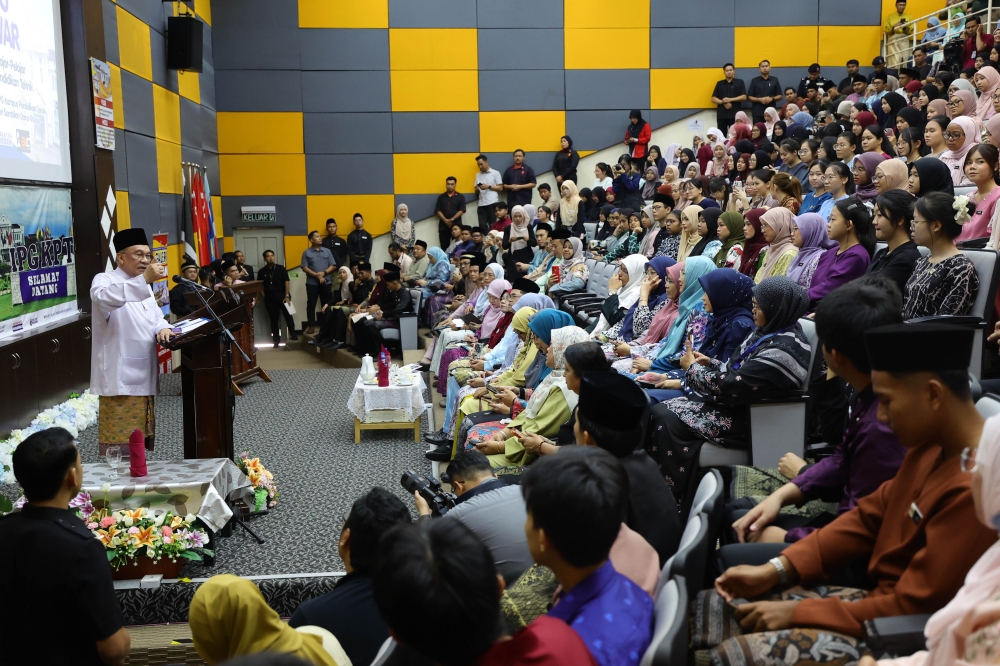
Prime Minister Datuk Seri Anwar Ibrahim has delivered a stern directive to Malaysian schools, making clear that protecting children from bullying must supersede any institutional concern about preserving school reputation. Speaking in Nilai on July 17, the Prime Minister addressed a persistent problem that has undermined trust in Malaysia's education system: the tendency of some schools to cover up incidents of student intimidation and harassment rather than address them transparently.
Anwar's intervention signals growing frustration within the federal government at reports indicating schools occasionally downplay or conceal bullying cases to avoid negative publicity that might damage their standing with parents and education authorities. This practice, while driven by understandable concerns about institutional image, ultimately fails both the victims of bullying and the broader school community, which depends on transparent accountability mechanisms. The Prime Minister's statement reflects a philosophical shift in how Malaysia's leadership views the relationship between school administration and student welfare—one where the welfare of individual children cannot be traded off for organisational interests.
The issue has taken on heightened urgency across Southeast Asia, where education systems grapple with rising awareness of mental health crises linked to school bullying. Malaysian schools have faced particular scrutiny following several high-profile cases where students subjected to sustained harassment have suffered severe psychological trauma or, in the most tragic instances, taken their own lives. These incidents have prompted parents and civil society organisations to question whether institutional self-protection mechanisms are adequately balanced against duties of care toward vulnerable pupils. Anwar's public statement aims to reset expectations about what schools should prioritise.
Schools that conceal bullying incidents expose themselves to far greater reputational damage in the long term than transparent acknowledgment and swift remediation would entail. When cases eventually surface—as they typically do through social media, parent networks, or journalism—the discovery that authorities knew of misconduct and failed to act transparently generates far deeper erosion of public confidence. Conversely, schools that handle bullying allegations openly, investigate thoroughly, and implement corrective measures often emerge with strengthened rather than weakened reputations, as they demonstrate genuine commitment to student welfare and institutional integrity.
For Malaysian parents contemplating school choices, Anwar's directive provides an important clarification: a school's willingness to acknowledge and address bullying should be viewed as a positive indicator rather than a negative one. Parents seeking information about how prospective schools handle bullying allegations now have explicit guidance from the highest level of government that such transparency is expected and valued. This reframes the narrative from one where schools fear being transparent to one where transparency itself becomes a marker of institutional quality and trustworthiness. Educational leaders who recognise this shift will find it easier to engage parents as partners in creating safe environments rather than as adversaries.
Implementing Anwar's directive will require changes to school governance and staff training across Malaysia's education system. Teachers, administrators, and counsellors need clear protocols for reporting bullying that protect both the identity of vulnerable students and the integrity of investigations. Many schools currently lack adequate confidentiality frameworks that balance transparency with victim protection, leading administrators to err on the side of concealment. Building robust internal mechanisms for documenting, investigating, and escalating bullying incidents—without sensationalising cases or breaching student privacy—represents a practical first step toward institutional reform.
The directive also implicitly acknowledges limitations in Malaysia's existing regulatory framework for addressing bullying. While the Education Ministry has issued guidelines on bullying prevention, enforcement mechanisms have often proven weak, and schools operating in competitive educational markets sometimes view strict disciplinary action against bullies as commercially disadvantageous if those perpetrators come from prominent families. Anwar's statement signals that federal leadership will no longer tolerate such market-driven compromises on child safety. This shift may encourage the Ministry of Education to strengthen enforcement, introduce more rigorous accountability mechanisms, and consider the systematic underreporting of bullying as a matter requiring administrative intervention.
Regional observers note that Malaysia's approach to bullying increasingly reflects patterns seen in developed education systems, where transparency and institutional accountability have become non-negotiable. Singapore's schools, for instance, have implemented comprehensive bullying-reporting systems with clear escalation procedures, while Australian schools face regulatory requirements to document and report bullying incidents. By aligning Malaysia with these international standards, Anwar's directive positions the country as serious about modernising its education system according to contemporary understandings of child welfare and institutional responsibility.
The psychological impact of bullying on Malaysian students has been documented insufficiently, partly because many cases remain unreported and unaddressed. By encouraging transparency, Anwar's directive opens pathways for better data collection on bullying incidence, allowing researchers and policymakers to understand the true scale of the problem and design interventions accordingly. Schools that report bullying incidents will contribute to a national evidence base that can inform future policy and resource allocation, creating a positive feedback loop where transparency drives better understanding and more effective prevention.
For school principals and education administrators, Anwar's statement represents both a challenge and an opportunity. The challenge lies in building systems that handle bullying allegations seriously while protecting due process and avoiding false accusations. The opportunity exists to position themselves as leaders genuinely committed to student welfare, thereby attracting parents who prioritise safe environments over superficial prestige metrics. Educational institutions willing to embrace this reframing will likely find that transparency about bullying incidents, coupled with demonstrable commitment to resolution, strengthens rather than undermines their competitive position in Malaysia's increasingly crowded education market.
Moving forward, the effectiveness of Anwar's directive will depend on sustained follow-up from education authorities and consistent messaging that schools will not face penalty for reporting bullying, only for concealing it. Without such assurances and support mechanisms, schools operating under budget constraints and competitive pressures may revert to minimisation strategies. The Prime Minister's statement therefore marks the beginning of a conversation rather than its conclusion—one that will require coordinated effort across government, schools, parents, and students themselves to create an education system where no child's safety is sacrificed for institutional reputation.

