Education Minister Fadhlina Sidek has moved to dispel concerns that the newly introduced School Pupil Protection Policy will place an unreasonable burden on teachers, emphasising instead that it establishes a comprehensive framework distributing responsibility across multiple stakeholders in the education system and beyond. The policy, which has sparked discussion among educators about their obligations and liability, is designed to clarify action protocols rather than to assign sole accountability for pupil safety to classroom teachers, the minister clarified through a Facebook statement on Wednesday.
The minister's reassurance comes as the education sector adjusts to new safeguarding requirements that fundamentally reshape how schools, administrators, and external authorities coordinate responses to child welfare concerns. Rather than expecting teachers to conduct independent investigations or assume detective-like responsibilities, the policy obligates educators to report suspected problems to school administrators while defining specific support roles for the Ministry of Education, State Education Departments, District Education Offices, police, and social welfare authorities. This layered approach reflects international best practice in child protection, where trained specialists—not classroom instructors—handle investigations and interventions.
Fadhlina stressed a critical procedural shift embedded in the policy: teachers need not accumulate definitive evidence before escalating concerns. The threshold for reporting is deliberately low, requiring only reasonable suspicion or receipt of a complaint to trigger the formal notification process. This departure from the informal, gatekeeping approach that previously characterised many school responses aims to prevent child safety issues from being suppressed due to teachers' fear of making false accusations or overstepping their professional boundaries. The minister's clarification that educators "do not need to wait until they have complete evidence to make a report" directly addresses a major source of anxiety within the profession.
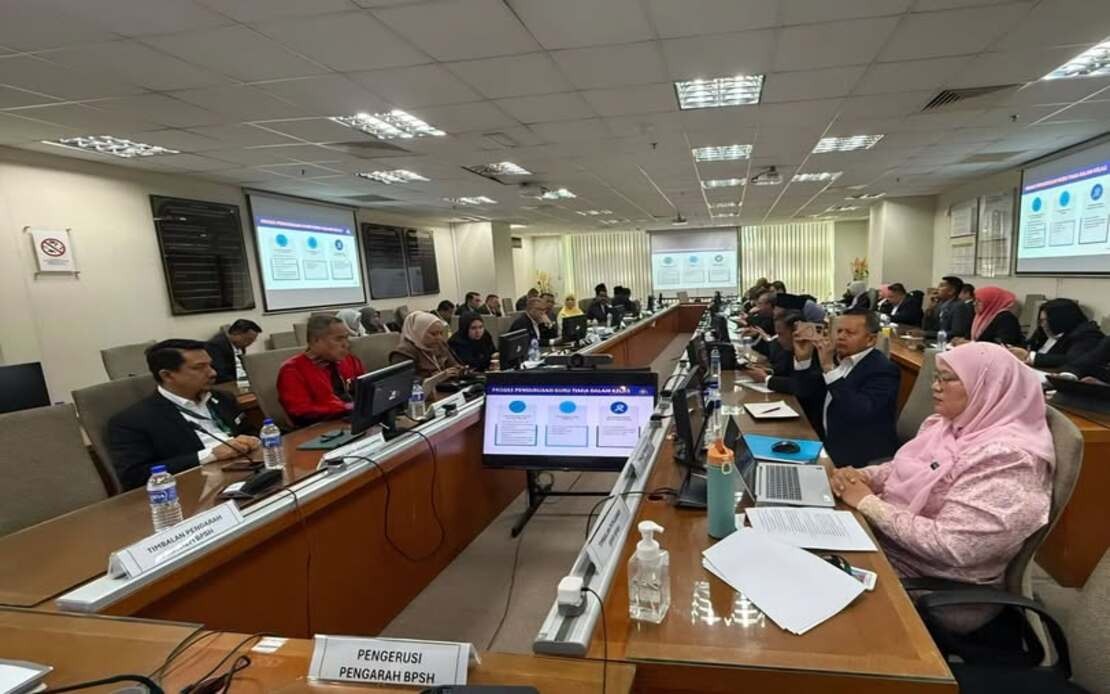
Recognising that written policy alone cannot resolve the uncertainty facing educators nationwide, the Ministry of Education has committed to an intensive campaign of briefing sessions and engagement forums across schools. These educational initiatives, already conducted with the National Union of the Teaching Profession, the Human Rights Commission of Malaysia, the United Nations Children's Fund, and numerous civil society organisations, are intended to build teacher confidence and competence in recognising and reporting safeguarding concerns. The iterative nature of these sessions—described by the minister as continuing "until teachers truly understand their roles"—suggests the ministry acknowledges that policy implementation requires sustained dialogue rather than one-off announcements.
The policy's design reflects a sophisticated understanding of child protection as an ecosystem responsibility rather than an individual professional duty. By involving the Ministry of Education's operational departments, state and district education offices, the Royal Malaysia Police, and the Social Welfare Department, the framework ensures that once a report enters the system, trained specialists assess the situation's nature and severity before determining appropriate action. This coordination mechanism is intended to shield children from the psychological harm that can result from poorly managed investigations or inconsistent institutional responses. The emphasis on appropriate referral and case management addresses a legitimate gap in Malaysia's previous approach to school-based safeguarding.
A crucial component of the policy's safeguarding architecture is the provision of legal protection and assistance to teachers acting in good faith. The minister's assurance that the Ministry of Education will provide legal support where necessary addresses one of the profession's most significant anxieties: the fear of personal liability when reporting suspected abuse. By guaranteeing that teachers will not be left to face legal consequences alone, the policy removes a powerful disincentive to reporting. This commitment transforms the reporting obligation from a potential career risk into a protected professional duty, fundamentally altering teachers' willingness to escalate concerns.
The minister's emphasis that the policy "is not aimed at finding fault or turning teachers into scapegoats" reflects sensitivity to the profession's wariness after high-profile cases where educators faced public criticism or legal action following incidents. By explicitly disclaiming any intent to weaponise the policy against teachers, Fadhlina has attempted to reframe safeguarding as a collaborative project rather than a compliance exercise driven by accountability and blame. This rhetorical repositioning is essential for building the institutional trust necessary for effective implementation across Malaysia's diverse school system.
For Malaysian schools, the policy's practical implications extend beyond procedural changes. The clarification that all reports will be coordinated and managed through proper channels means that cases involving child abuse, neglect, or exploitation will no longer depend on individual school leaders' judgment or willingness to involve authorities. This standardisation should theoretically improve outcomes for vulnerable children by ensuring consistent quality of response regardless of a school's location, leadership competence, or resources. However, success depends on whether the district and state education offices, along with external agencies, possess sufficient capacity and training to manage the anticipated increase in reports.
The policy also carries implications for parent-school relationships and community perceptions of institutional accountability. As schools become more active in reporting suspected child welfare issues, parents may initially view this as intrusive or distrustful. Effective communication about the policy's protective intentions—and its requirement that schools report concerns rather than attempt internal resolution—will be essential to maintaining parental confidence in educational institutions. The ministry's ongoing engagement sessions must therefore include messaging strategies for school leaders to explain the policy to families and communities.
From a regional perspective, Malaysia's adoption of this comprehensive school pupil protection framework aligns with broader Southeast Asian and international movements toward institutionalised child safeguarding in educational settings. Countries including Thailand, Indonesia, and the Philippines have developed similar policies in recent years, reflecting a convergence on evidence-based approaches to preventing institutional abuse and neglect. The Malaysian policy, with its explicit distribution of responsibilities across government agencies and its emphasis on teacher support rather than culpability, represents a maturing institutional approach to child welfare that should serve as a model for neighbouring nations still developing their safeguarding infrastructure.
The success of the School Pupil Protection Policy will ultimately depend on whether the ministry can translate its clarifications into sustained institutional practice across thousands of schools and multiple government agencies. The minister's acknowledgment that briefings "must continue" signals recognition that policy implementation is not a one-time event but an ongoing process of cultural change within the education system. Teachers accustomed to managing sensitive issues discreetly must be convinced that formal reporting serves children's interests, while administrators must develop the systems and skills necessary to process reports efficiently. The commitment to this extended implementation phase suggests the ministry understands the magnitude of the institutional transformation required.

