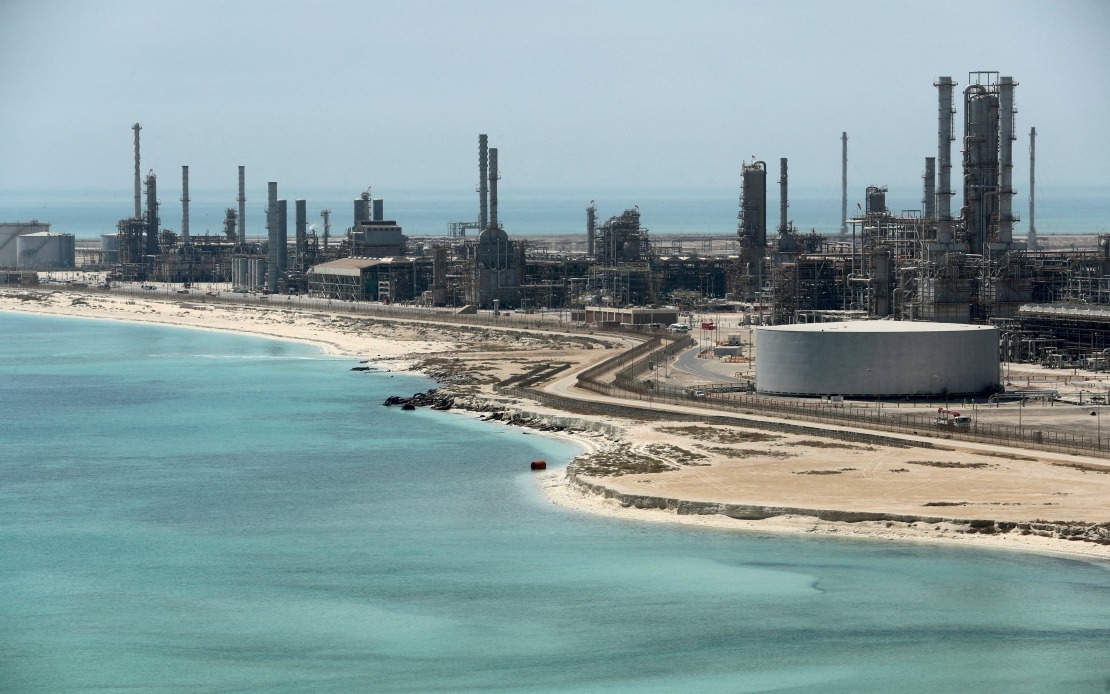
A helicopter operated by Saudi Aramco crashed in Ras Tanura on the Saudi coast early Sunday morning, resulting in the loss of all 14 lives on board, according to an announcement by Saudi Arabia's Ministry of Energy. The aircraft went down at approximately 6 am local time, with every person aboard confirmed to be a Saudi national. The incident marks a significant tragedy for the state-owned energy company and has prompted immediate investigation by the relevant authorities seeking to establish what caused the disaster.
Ras Tanura, positioned on Saudi Arabia's eastern shoreline overlooking the Persian Gulf, represents a critical component of the kingdom's petroleum infrastructure. The facility functions as a major centre for crude oil processing and serves as a key export terminal through which substantial volumes of Saudi crude reach global markets. The strategic importance of Ras Tanura extends beyond its role as a processing hub; it sits within a complex of energy installations that form the backbone of Saudi Arabia's oil economy and, by extension, its influence in global energy markets.
The full scope of responsibilities carried by those aboard the helicopter remains unclear, though such aircraft typically serve operational and personnel transport functions within major oil facilities. The fact that all 14 individuals were nationals underscores the significance placed by Saudi Aramco on staffing critical operations with domestic personnel. The scale of casualties—the complete loss of an entire aircraft crew and complement—represents a rare and devastating occurrence within the Arabian Peninsula's aviation history and the energy sector more broadly.
Saudi Arabia's Ministry of Energy issued formal condolences to the families of the deceased, referring to them as martyrs in keeping with local custom and Islamic convention. The statement extended prayers for divine mercy and forgiveness, reflecting both official recognition of the profound loss and the cultural-religious context within which Saudi Arabia addresses such tragedies. For families of employees at major energy installations like Ras Tanura, sudden loss of this magnitude carries both personal devastation and implications for household economic stability.
The investigative process now underway will seek to examine multiple potential factors contributing to the crash. These might encompass mechanical failure, weather conditions at the time of the incident, maintenance records, crew qualifications and fatigue levels, communications protocols, or procedural compliance issues. The preliminary findings could take weeks or months to compile, given the complexity of analyzing aircraft wreckage and cross-referencing operational data. International aviation safety standards typically inform such investigations, and findings may eventually be shared through formal channels with relevant international bodies.
For regional observers watching Saudi energy infrastructure, the incident raises questions about safety protocols and contingency planning at critical facilities. Ras Tanura's role in global energy supply means any prolonged disruptions to operations could ripple through international oil markets. However, helicopter operations at such facilities are typically ancillary to core refining and export functions, suggesting that crude oil processing and shipment should continue uninterrupted despite this tragedy. Preliminary reports contain no indication of broader operational disruption at the site.
The crash also carries significance for Malaysian stakeholders given the interconnected nature of the regional energy economy. Saudi crude oil represents a substantial portion of feedstock for Malaysian refineries, and any major incidents at Saudi facilities warrant monitoring for potential secondary effects. While this particular accident appears confined to the helicopter operation itself, it underscores the reliance of Southeast Asian energy security on the uninterrupted function of Arabian Peninsula petroleum infrastructure.
Saudi Aramco's response to such incidents typically prioritizes transparency and cooperation with investigative authorities. As a company listed on both Saudi and international stock exchanges, the firm faces obligations to report material incidents to investors and regulators. The comprehensive nature of the investigation and subsequent public disclosure will likely influence confidence in the company's safety management systems, particularly among international stakeholders and potential investors concerned with operational transparency.
This tragedy represents a stark reminder of the occupational hazards inherent in oil and gas sector operations, where personnel regularly work in challenging environments involving heavy equipment, extreme conditions, and remote locations. Despite advances in aviation safety technology and operational procedures, the risks remain substantive. Within Saudi Arabia's energy sector, which employs tens of thousands across multiple facilities, such incidents underscore the importance of continuous safety enhancement and comprehensive risk management protocols.
As investigations proceed and facts emerge, the incident will likely inform future discussions about helicopter operations protocols across Saudi Arabia's energy infrastructure. Lessons drawn from this accident may contribute to evolving best practices not only within Saudi Aramco but across the regional energy industry more broadly. For Malaysian energy professionals and industry observers, monitoring the investigation's progress and eventual conclusions could yield insights applicable to domestic operations and safety standards, particularly given Malaysia's own substantial offshore and onshore petroleum operations.

