Construction on Sarawak's landmark Cancer Centre is scheduled to commence in January 2027, provided the Letter of Acceptance reaches the winning contractor by early that month, according to Works Minister Datuk Seri Alexander Nanta Linggi. The facility, positioned in Kota Samarahan adjacent to the existing Sarawak Heart Centre, represents a significant infrastructure commitment by the state government to strengthen healthcare provision across the region.
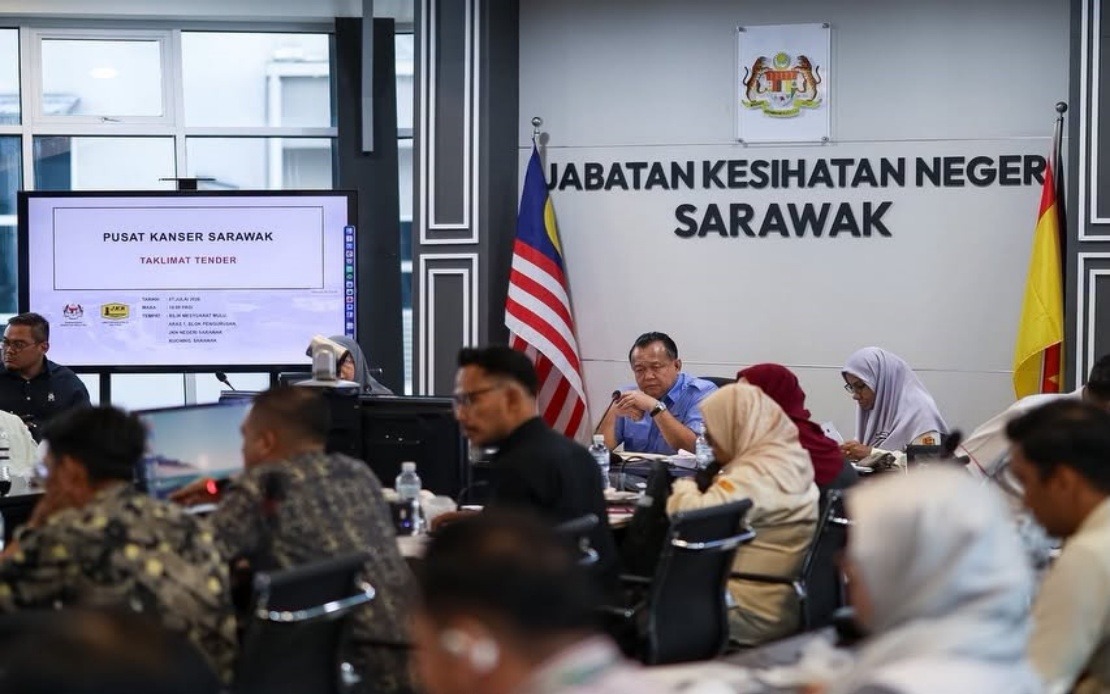
The project has progressed through preliminary stages with ten construction firms clearing the pre-qualification hurdles and participating in a comprehensive briefing session. These vetted contractors received detailed information about the development's technical requirements and scope before being invited to formulate their competitive bids. The tendering process follows a design-and-build methodology, allowing contractors to both conceive and execute the structural and architectural vision while meeting stringent healthcare facility standards.
Proposal submission windows will extend approximately three months from the briefing phase, giving contenders adequate time to develop detailed cost estimates, construction methodologies, and design approaches. The Works Ministry intends to complete evaluation procedures swiftly thereafter, targeting January 2027 for formal contractor appointment. This timeline, while ambitious, reflects the state administration's determination to advance critical healthcare infrastructure without unnecessary delays.
Once appointed, the successful contractor faces a compressed 60-month implementation schedule to complete both design finalisation and construction activities. Following practical completion, a two-year Defects Liability Period provides quality assurance mechanisms and remediation opportunities before the facility formally transitions to operational healthcare providers. This contractual structure emphasises accountability and workmanship standards befitting a specialist medical institution.
The Cancer Centre must satisfy Health Ministry specifications regarding clinical functionality, safety protocols, and accessibility requirements whilst incorporating contemporary architectural and medical technologies. These dual imperatives—regulatory compliance and modern design—necessitate careful coordination between Sarawak's development authorities and federal health agencies. The outcome should reflect international best practices in oncology facility design, positioning Sarawak as a regional hub for cancer treatment and research.
The 10.9-hectare site will accommodate a 310-bed facility delivering comprehensive cancer care across outpatient consultations, diagnostic imaging, surgical interventions, and extended inpatient rehabilitation. This capacity addresses projected demand within Sarawak and neighbouring regions, reducing patient travel burdens and improving treatment accessibility. The co-location with the Heart Centre creates operational synergies and economies of scale in supporting services, laboratories, and emergency facilities.
Project financing represents a substantial commitment, with anticipated expenditure exceeding RM1 billion. The Sarawak state government has allocated precisely RM1 billion from its budget allocation, with arrangements established for subsequent reimbursement through an agreed financial mechanism. This funding structure likely involves federal cost-sharing arrangements or healthcare development partnerships, reflecting the facility's strategic importance to both state and national healthcare infrastructure development.
For Malaysian healthcare policy, the Cancer Centre underscores growing recognition that non-communicable diseases, particularly malignancies, demand specialised facilities beyond conventional hospital networks. Sarawak's investment signals regional disparities in oncology services and the imperative to decentralise specialist medical infrastructure. Southeast Asian healthcare systems increasingly recognise that distant patients face treatment delays and financial hardships when obliged to seek care in distant metropolitan centres.
The project's significance extends beyond clinical infrastructure to economic development within Sarawak. Construction employment spans multiple years, whilst operational phases will generate professional positions in nursing, medical physics, pathology, and allied health disciplines. The facility's presence may also attract medical tourism and retain specialist practitioners considering relocation to resource-rich jurisdictions elsewhere in the region.
Minister Nanta's site visit and public commitment underscore governmental priority and accountability. Transparent communication regarding timelines, budget parameters, and quality standards builds stakeholder confidence and tempers speculation about implementation delays. Regular project updates will be essential as tender evaluation proceeds and contractor selection approaches.
The Cancer Centre project reflects broader Southeast Asian trends toward healthcare infrastructure modernisation and non-communicable disease preparedness. Rising cancer incidence across the region, driven by demographic ageing and evolving lifestyle patterns, necessitates expanded treatment capacity and specialist expertise. Sarawak's initiative positions the state advantageously within Malaysia's healthcare landscape whilst demonstrating commitment to equitable service distribution beyond Peninsular concentrations.
Successful project realisation within stipulated timelines would provide Sarawak patients with world-class oncology capabilities whilst validating the government's capacity for major infrastructure delivery. Conversely, implementation challenges or delays would invite critical scrutiny of project management and procurement processes. The sector now awaits contractor submissions and evaluation outcomes, which will definitively shape the Cancer Centre's trajectory toward operational commencement.

