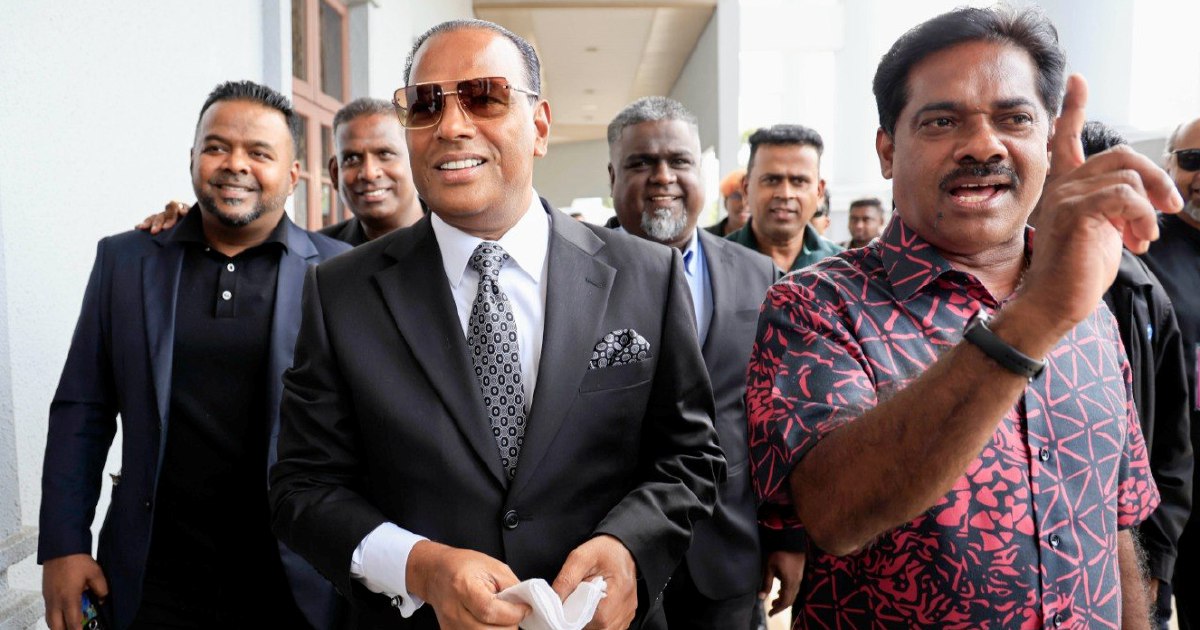
Datuk Seri M. Saravanan, who previously served as Malaysia's Human Resources minister, has mounted a strong defence against corruption allegations by characterising the three charges against him as groundless attacks on his integrity. The former minister is facing accusations that he unlawfully received RM1.097 million in bribes, a significant sum that underscores the gravity of the charges lodged against him by anti-corruption authorities.
The dismissal of the allegations as a "wild accusation" represents Saravanan's opening salvo in what promises to be a closely watched legal battle with serious implications for Malaysia's political landscape. His public denunciation of the charges signals his intention to contest the matter vigorously rather than negotiate a settlement, setting the stage for a protracted legal process that may extend over many months.
The charges carry substantial weight within Malaysia's anti-corruption framework. The specific allegation of accepting bribes totalling RM1.097 million suggests a pattern of misconduct spanning multiple transactions, rather than an isolated incident. Such charges, if proven, would represent a significant breach of the public trust expected of government ministers in Malaysia's Westminster-derived parliamentary system.
Saravanan's response reflects a broader pattern observed among high-profile politicians facing corruption allegations in Malaysia, whereby public figures typically deny wrongdoing categorically while maintaining their commitment to clearing their names through the judicial process. The characterisation as "wild" emphasises his assertion that the accusations are neither measured nor grounded in substantive evidence.
The case attains particular significance given Malaysia's ongoing efforts to enhance governance standards and combat corruption at senior levels. Since the 2018 election and the subsequent change in government, anti-corruption enforcement has become a more prominent feature of the Malaysian political environment, with several former and sitting officials facing prosecution for various offences.
For Southeast Asian observers monitoring Malaysia's institutional strength, this case represents another test of whether the country's anti-corruption mechanisms can function independently and pursue cases against politically connected individuals without fear or favour. The Malaysian Anti-Corruption Commission's willingness to bring charges against a former cabinet minister underscores the agency's stated commitment to fighting graft regardless of an accused's political standing.
The implications for Malaysia's bureaucratic integrity are substantial. The Human Resources ministry handles significant matters relating to civil service employment, conditions of service, and institutional development. Any suggestion that the office was compromised by corrupt transactions raises questions about decision-making processes during Saravanan's tenure and whether any government contracts or appointments during that period may have been improperly influenced.
Saravanan's ministerial portfolio during his time in office placed him in a position to influence substantial resource allocations and policy decisions affecting hundreds of thousands of civil servants across Malaysia. The nature of the Human Resources ministry means that individuals seeking to corrupt officials might have attempted to influence decisions regarding procurement, employment, training contracts, or institutional partnerships.
The legal proceedings ahead will require the prosecution to present evidence substantiating the bribery allegations, while Saravanan's defence team will need to challenge both the evidence presented and the legal sufficiency of the charges. Malaysian courts have historically demanded rigorous proof in corruption cases, particularly those involving large sums of money, to establish not merely that payments were made but that they were made with the specific intent of influencing official acts.
The case also highlights ongoing questions about transparency and accountability within Malaysia's political system. The identification of how the alleged bribes were allegedly transferred, who provided the funds, and what specific official actions they were purportedly intended to influence will all emerge during the course of proceedings, potentially revealing details about governance lapses or institutional vulnerabilities.
For Malaysian taxpayers and citizens concerned about the integrity of public administration, the outcome of this case will carry considerable symbolic weight. A successful prosecution would signal that even individuals who have held senior cabinet positions remain subject to the law, reinforcing the principle that no one is above the framework of legal accountability. Conversely, an acquittal would support Saravanan's current assertion that the charges lack foundation.
The political ramifications extend across Malaysia's factional landscape, as various coalitions may seek to leverage the case for tactical advantage. The manner in which the matter unfolds in coming months will likely influence broader perceptions of whether Malaysia's anti-corruption institutions operate according to consistent legal principles or respond to political pressures.

