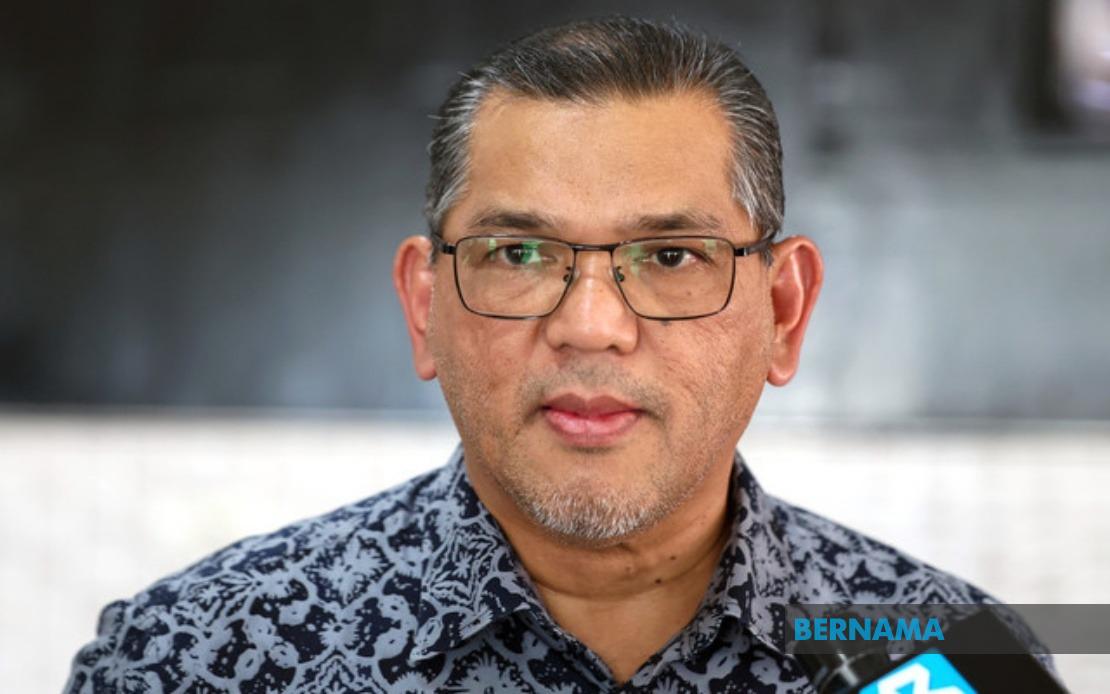
The Sabah Youth Entrepreneur Scheme (SYABAS) has emerged as a transformative economic programme for the state's younger generation, channelling RM21 million in financial support to 6,951 young entrepreneurs since its launch in 2022. The initiative, administered through the ministry responsible for youth affairs, reflects a deliberate policy commitment to nurturing locally-rooted businesses and building economic resilience across Sabah's diverse communities. Speaking in the State Legislative Assembly, Sabah Youth, Sports Development and Creative Economy Minister Datuk Nizam Abu Bakar Titingan outlined the breadth and depth of the scheme's impact, noting that SYABAS recipients operate enterprises spanning multiple economic sectors and geographical areas.
The geographical spread of SYABAS beneficiaries demonstrates the programme's reach beyond major urban centres. The Nabawan state constituency alone has produced 64 young entrepreneurs under the scheme, illustrating how targeted support has penetrated constituencies across the state. This decentralised distribution is particularly significant for Malaysian policymakers considering regional development, as it suggests that structured youth financing mechanisms can successfully encourage entrepreneurial activity in constituencies that might otherwise be overlooked by mainstream commercial banking systems.
Among the most notable success stories are entrepreneurs who have scaled their operations beyond initial viability thresholds. Amran Jining from Keningau has established a vegetable hydroponic farm, representing the modernisation of agricultural practices in Sabah. Erliana Said operates a specialised bakery in Tawau focusing on bread, cakes and pastries, while Sitti Fatimah Janna has built a cosmetics enterprise. These examples span primary production, value-added food manufacturing and consumer goods, illustrating the economic diversity that SYABAS has catalysed. Several recipients have achieved income levels in the millions of ringgit, and some have successfully exported their products to international markets, indicating that the scheme nurtures enterprises with genuine growth trajectories rather than merely subsistence-level self-employment.
The structural support surrounding SYABAS funding extends beyond simple capital provision. The ministry maintains comprehensive databases of recipients and implements systematic follow-up mechanisms encompassing coaching, monitoring and capacity building interventions. This scaffolding approach recognises that young entrepreneurs often require business development support alongside financing to maximise their ventures' viability. By pairing capital with knowledge transfer, the scheme addresses a common constraint in emerging economies where access to finance, while important, rarely solves all entrepreneurial challenges.
Strategic partnership frameworks undergird the scheme's operational effectiveness. Collaborations between government agencies, training institutions and private sector entities have been deliberately strengthened to broaden the ecosystem of support available to young business owners. These partnerships create pathways to training programmes and employment opportunities across diverse sectors including tourism, agriculture, industrial manufacturing, construction, logistics, aquaculture, fisheries, digital services and the creative economy. Such sectoral diversity suggests that SYABAS operates with strategic flexibility, adapting to identify emerging opportunities rather than concentrating support within traditional industries.
The integration of SYABAS with broader state economic development initiatives reveals a coherent policy architecture. Visit Sabah Year 2027, a tourism campaign positioned as a strategic priority for the state government, explicitly aims to drive inclusive economic growth beyond the tourism sector itself. This campaign builds on four foundational pillars: culture, adventure, nature and sustainability. The positioning of tourism development alongside youth entrepreneurship reflects recognition that sustainable tourism sectors require strong supply chains of locally-owned businesses providing accommodation, transport, food and beverage, handicrafts and community-based tourism experiences. Young entrepreneurs supported through SYABAS represent a natural constituency for integration into this tourism value chain.
The emphasis on constructing robust tourism value chains addresses a fundamental challenge in developing economies where tourist spending often accrues to foreign-owned corporations or centralised operators rather than grassroots businesses and communities. By systematically building backward and forward linkages within the tourism economy, the state government aims to distribute economic benefits more widely. Dr Andi Md Shamsureezal Mohd Sainal, the Assistant Minister for Tourism, Culture and Environment, explicitly articulated this commitment to inclusive growth, noting that the approach ensures benefits reach grassroots levels rather than concentrating at apex positions within the economic hierarchy.
Ongoing engagement sessions with industry players signal active programme refinement as Visit Sabah Year 2027 approaches. The Sabah Tourism Board is intensifying targeted promotion and marketing strategies, including development of local tour packages, expansion of market access for small operators, and provision of financial incentives and promotional support specifically directed toward small and medium enterprises and local communities. This targeted approach recognises that without deliberate interventions, competitive advantages accrue to larger established operators, potentially crowding out smaller enterprises despite infrastructure investments.
The relationship between SYABAS and the Visit Sabah Year 2027 campaign illustrates how youth entrepreneur schemes can be integrated with sectoral development initiatives. Young entrepreneurs supported through SYABAS operating in food production, handicrafts, hospitality and creative industries represent potential suppliers and service providers within the tourism value chain. Coordinated implementation could multiply the impact of public investment by ensuring that tourism growth directly stimulates demand for goods and services provided by SYABAS beneficiaries. This integration requires sequenced planning, which explains why campaign schedules are expected by year-end, allowing sufficient lead time for alignment.
The scale of SYABAS—nearly 7,000 beneficiaries across a single Malaysian state—positions it as a significant regional development experiment relevant to other states and comparable jurisdictions throughout Southeast Asia. The demonstrated ability to successfully identify, finance and support young entrepreneurs across diverse sectors, coupled with documented export success and income generation at scale, suggests replicability. For Malaysian states considering similar initiatives and for regional policymakers observing Sabah's approach, the scheme demonstrates that structured youth entrepreneurship programmes, when embedded within broader sectoral development strategies, can simultaneously address youth employment, regional economic development and inclusive growth objectives.
The SYABAS model also illustrates evolving approaches to youth policy in Malaysia that move beyond training and employment towards ownership and enterprise development. Younger generations increasingly seek independence and autonomy in economic participation rather than traditional employment relationships. By providing capital, support services and integration opportunities within developing value chains, SYABAS recognises these preferences while channelling entrepreneurial energy toward productive economic activities. As the scheme matures and the Visit Sabah Year 2027 campaign unfolds, monitoring outcomes will reveal whether this integrated approach to youth development, entrepreneurship and sectoral growth proves sufficiently effective to warrant adoption across other Malaysian states and regions facing similar youth employment and economic development challenges.

