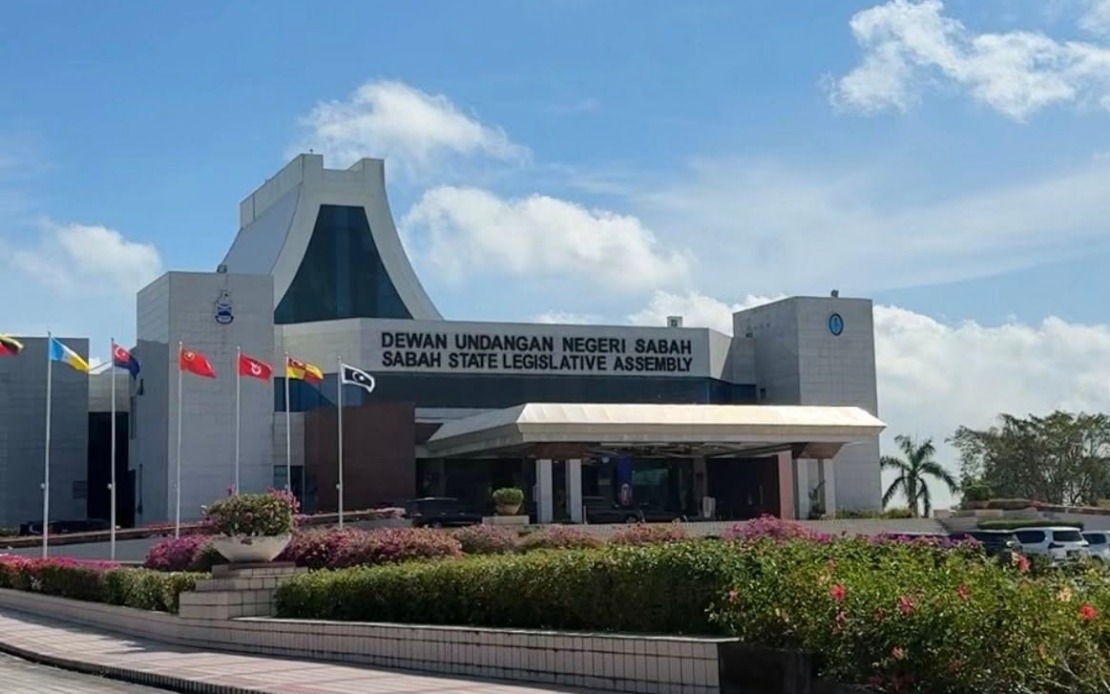
The Sabah State Legislative Assembly gave its seal of approval to a RM1.61 billion supplementary supply bill on July 21, marking a significant fiscal decision for the state's 2026 budget cycle. The measure, which had been laid before the chamber the previous day by Deputy Chief Minister II and State Finance Minister Datuk Seri Masidi Manjun, secured passage through a majority voice vote presided over by Sabah State Legislative Assembly Deputy Speaker Datuk Al Hambra Tun Juhar. The bill's passage followed substantive debate among 42 assemblymen, reflecting the legislative body's commitment to thorough scrutiny of supplementary allocations.
The supplementary funds represent an essential top-up to Sabah's budgetary framework, deployed across a carefully segmented allocation structure designed to address specific governmental needs. The largest single component, accounting for RM856 million, has been earmarked for statutory fund contributions—essentially mandatory financial obligations that state entities must meet under existing legislation and agreements. This substantial sum underscores the significant extent of the state's predetermined financial commitments, which often include contributions to pension schemes, social security provisions, and contractual obligations to public institutions.
Operating expenditure forms the second major pillar of the supplementary allocation, with RM278 million dedicated to the day-to-day running costs of state government departments and agencies. These funds facilitate the provision of essential services across healthcare, education, infrastructure maintenance, and administrative operations that directly impact public welfare. The allocation reflects the operational pressures facing Sabah's government machinery, particularly as inflation and wage adjustments increase the cost of maintaining government functions throughout the calendar year.
Development expenditure, allocated at RM210 million, represents the state's investment in capital projects and infrastructure initiatives. This category typically encompasses construction of public facilities, improvements to transportation networks, upgrading of government infrastructure, and other long-term investments designed to enhance economic capacity and public amenities. For a state like Sabah, which continues to pursue economic diversification and infrastructure modernisation, this allocation signals commitment to ongoing improvement of the state's physical and economic foundations.
Administrative expenditure receives RM162 million from the supplementary bill, supporting the bureaucratic and administrative overhead necessary for government operations. This includes personnel costs beyond what was originally budgeted, purchase of equipment and supplies, and various administrative services that enable the state apparatus to function effectively. State grants amounting to RM93 million are allocated to support specific programmes and initiatives, often benefiting local authorities, educational institutions, or community-based projects that align with state policy objectives.
The smallest component of the supplementary allocation, RM13 million in special allocations, provides flexibility for the state government to address unforeseen circumstances or emerging priorities that fall outside standard budgetary categories. These funds serve as a contingency mechanism, allowing the administration to respond to urgent situations or time-sensitive opportunities without requiring additional legislative sessions.
The structure of Sabah's supplementary budget reflects broader challenges facing Malaysian states in managing fiscal pressures within constrained revenue environments. Rising operational costs, inherited financial obligations, and the need to maintain development momentum create competing demands on state treasuries. By seeking supplementary allocations, Sabah demonstrates pragmatic recognition that initial budget estimates, formulated months earlier, require adjustment based on evolving circumstances and priorities.
The assembly's approval process, involving detailed debate among representatives, illustrates the parliamentary traditions embedded within Malaysia's state legislatures. Despite the dominance of the ruling coalition within Sabah's assembly, the requirement for legislative debate ensures that expenditure decisions undergo public scrutiny and opposition scrutiny. The 42 assemblymen who participated in discussions brought diverse perspectives representing their constituencies' interests and concerns.
For Malaysian regional observers, Sabah's supplementary appropriation carries implications for understanding state-level fiscal management across the federation. States commonly employ supplementary bills to navigate budgetary pressures, and the scale of Sabah's allocation reflects its status as one of Malaysia's larger states by geographical area and resource endowment. The allocation pattern—weighted heavily towards statutory obligations and operational expenses—mirrors challenges facing other Malaysian states seeking to balance inherited commitments with new development aspirations.
The sitting of the Sabah State Legislative Assembly will continue tomorrow, with remaining business on the parliamentary agenda requiring attention. Supplementary budgets often indicate that governments have exhausted or nearly exhausted original appropriations in specific areas, necessitating legislative approval for additional spending authority. This process, while administratively routine, remains essential for maintaining fiscal accountability and ensuring that government spending remains within legally authorised parameters.
The passage of this supplementary bill represents one component of Sabah's broader fiscal strategy for 2026. State governments across Malaysia consistently navigate the tension between revenue limitations and service delivery expectations, a dynamic particularly acute in states like Sabah where diverse geography and dispersed populations increase service provision costs. How effectively these supplementary funds address underlying fiscal pressures will merit monitoring in coming months, particularly regarding their impact on development momentum and service quality maintenance.

