Sabah's state government has received RM600 million from the Federal Government's RM1.5 billion interim Special Grant, with officials now pressing for the release of the outstanding RM900 million within the remainder of 2024. The payment, which arrived on June 12, represents a partial response to longstanding fiscal tensions between the state and federal authorities, though the Sabah administration has made clear that accepting this sum does not constitute agreement on final entitlements.
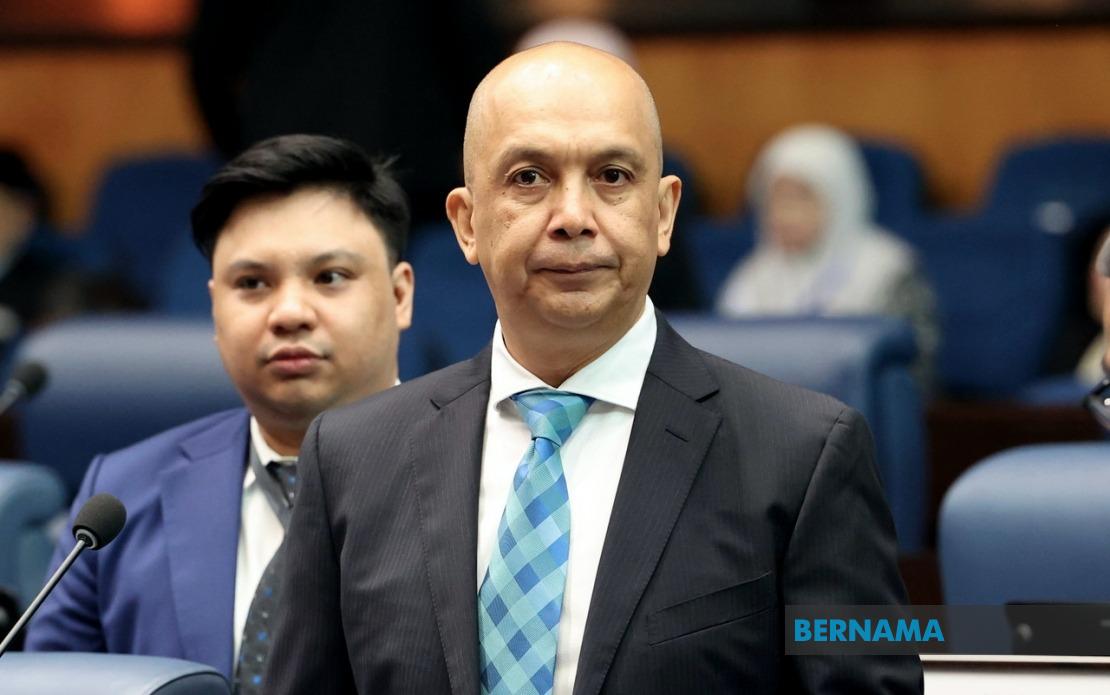
Datuk Mohd Ishak Ayub, Sabah's Assistant Finance Minister II, stressed during a state assembly session that the interim arrangement should not be misinterpreted as a settlement of the state's constitutional position. According to Mohd Ishak, Sabah received the RM600 million "without prejudice" to its legal rights, a significant qualification that preserves the state's ability to pursue additional claims in future. This careful framing reflects the delicate balance required in the state's negotiations with Putrajaya over fiscal federalism.
The constitutional foundation underpinning Sabah's claim rests on Articles 112C and 112D of the Federal Constitution, which outline the state's revenue-sharing arrangements with the federal government. Sabah has consistently argued that it should receive 40 per cent of certain federal revenues, a formula that remains a point of contention in the broader federal-state financial relationship. The state's insistence on this position, even while accepting interim payments, signals that officials view the current arrangements as inadequate compensation for resources extracted or controlled at the federal level.
Prime Minister Datuk Seri Anwar Ibrahim had announced the increased interim payment during celebrations for Kaamatan Festival, the state's major cultural event, on May 30. The announcement came following a series of communications between federal and state governments dated June 9, 19, and 26, suggesting negotiations occurred over the terms and timing of the disbursement. The scheduling of the announcement during a significant state festival may have been intended to demonstrate federal responsiveness to local concerns, though Sabah's continued requests for the remainder of the grant indicate the issue remains unresolved.
For Malaysian observers and policymakers, Sabah's financial negotiations with the federal government carry broader implications for understanding how fiscal federalism operates within the country's constitutional framework. Unlike most Malaysian states, Sabah entered the Malaysian federation under the Malaysia Agreement, which grants it certain special constitutional provisions. These provisions have been a source of ongoing interpretation and dispute, with the state periodically pushing for greater recognition of its financial rights. The current interim arrangement appears to be a compromise that provides immediate relief while avoiding a definitive ruling on the full amount Sabah believes it deserves.
The state government's request that the remaining RM900 million be distributed before the calendar year concludes reflects practical concerns about budget planning and resource allocation. For state development projects, welfare programmes, and administrative operations, having certainty about funding sources matters considerably. A delayed disbursement into 2025 would complicate Sabah's current fiscal year planning and potentially force reallocation of resources across competing priorities. The urgency of the request therefore speaks to real operational pressures facing the state administration.
In parallel discussions during the same assembly session, officials addressed welfare assistance levels in Sabah. Datuk Rina Jainal, the Assistant Minister for Women, Health and People's Wellbeing, indicated that the state maintains monthly assistance payments between RM200 and RM350 for eligible recipients. The potential for increasing these amounts hinges on improvements in Sabah's overall financial position, a consideration that directly links welfare policy to the resolution of ongoing revenue disputes with the federal government. Should the full RM1.5 billion be released and the 40 per cent formula eventually be implemented, additional fiscal space for social spending would become available.
Welfare eligibility in Sabah has recently expanded in recognition of changing economic circumstances. The Poverty Line Income threshold was increased from RM1,198 in 2025 to RM1,236 this year, allowing more households to qualify for assistance. This adjustment demonstrates that the state is attempting to refine its safety net programmes, though expansions remain constrained by available resources. Federal welfare assistance rates, meanwhile, continue to follow guidance from the national budget, creating a two-tier system where state residents may receive support from both state and federal schemes depending on their circumstances.
The parliamentary questions that prompted these government responses came from legislators representing both government and opposition parties, indicating that the special grant issue enjoys cross-party concern in Sabah. Datuk Seri Wilfred Madius Tangau from UPKO, Grace Lee Li Mei as an appointed assembly member, and two Warisan representatives all raised related matters, suggesting that Sabah's fiscal relationship with the federal government remains a unifying concern regardless of political affiliation. This consensus reflects the degree to which state-level economic security transcends partisan divides.
Looking forward, the outcome of Sabah's push for the remaining RM900 million will likely influence perceptions of federal commitment to addressing regional economic disparities. States that feel inadequately resourced by the federal government may interpret delays or denials as signals about their political priority, affecting their willingness to support federal initiatives or policies in future. Conversely, swift disbursement before year-end could strengthen federal-state relations and demonstrate responsiveness to Sabah's concerns. The next few months will therefore prove crucial in shaping both Sabah's fiscal capacity and the broader health of Malaysia's federal fiscal arrangements.

