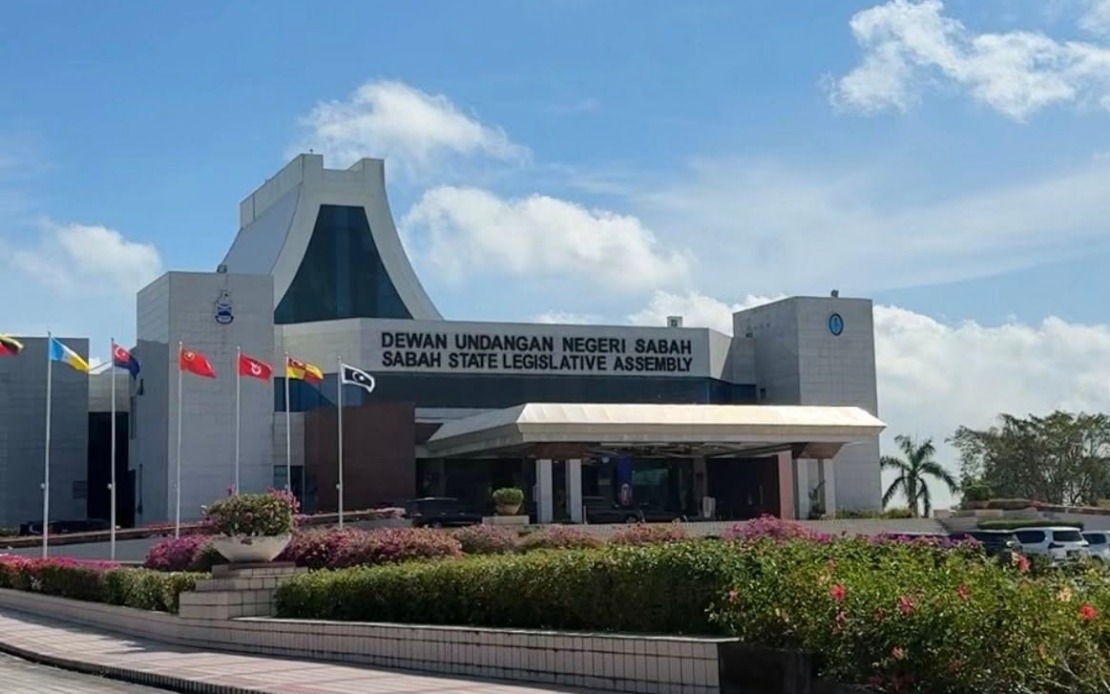
The Sabah Legislative Assembly on July 22 successfully enacted two major pieces of legislation aimed at modernising the state's Islamic and customary legal frameworks. The Muslim Succession Bill 2026 and Native Courts Bill 2026 were both passed following legislative debate, representing the most comprehensive reforms to these systems in decades and establishing new standards for how estates and native disputes will be administered across the state.
Datak Dr Mohd Arifin Arif, Sabah's Local Government and Housing Minister who also oversees Islamic Affairs, championed both bills through the assembly. The Muslim Succession Bill emerged from deliberations involving five assemblymen, while the more complex Native Courts Bill underwent scrutiny from twelve members before securing approval. The contrasting debate participation underscores the technical complexity and community interest surrounding the Native Courts overhaul, which touches on customary practices affecting thousands of indigenous Sabahans.
The Muslim Succession Bill addresses a significant lacuna in Malaysian jurisprudence. According to Mohd Arifin, this represents Malaysia's first comprehensive legislation specifically governing Muslim estate administration under Syariah Court jurisdiction. The framework rests on four foundational principles designed to introduce systematic clarity to inheritance processes. These pillars include establishing a coherent legal structure for Muslim succession, protecting the interests of all beneficiaries and creditors, ensuring deceased estates are managed according to Islamic principles, and preventing unauthorised misappropriation or concealment of assets through strengthened compliance mechanisms.
The legislation carries particular significance for Malaysian Muslims seeking intestate succession guidance and for families navigating complex estate distributions. Previously, such matters operated under fragmented guidelines, sometimes leading to disputes and delayed settlements. By codifying procedures under Syariah Courts, the bill aims to provide clearer pathways for inheritance disputes while ensuring transparency in estate administration. This systematisation addresses a longstanding gap that has created confusion among executors and beneficiaries attempting to comply with Islamic inheritance requirements while navigating secular property law.
Meanwhile, the Native Courts Bill 2026 undertakes an equally ambitious restructuring of customary justice mechanisms. The legislation replaces the existing Native Courts enactment that has governed indigenous dispute resolution since 1992. Recognising that over three decades have elapsed since that framework's implementation, the new bill acknowledges that Sabah's customary justice system requires comprehensive modernisation without sacrificing its foundational principles. The reforms reflect growing recognition across Southeast Asia that indigenous legal systems must evolve to remain relevant while maintaining cultural authenticity.
The bill introduces a hierarchical restructuring creating three tiers: the Native District Court, Native High Court, and Native Court of Appeal. This pyramidal structure mirrors mainstream judicial systems, providing clearer pathways for appeal and review. Previously, the customary court system lacked this transparent hierarchy, potentially limiting recourse for disputants dissatisfied with lower-level decisions. The reform enables more systematic case management and establishes clearer jurisprudential precedent within the customary framework.
A particularly noteworthy innovation involves the establishment of a Native Judicial Appointments Advisory Committee tasked with evaluating candidates for judicial positions. Critically, the new framework moves away from administrative appointment criteria towards merit-based selection emphasising customary law expertise, demonstrated competence, integrity, and relevant experience. This represents a fundamental philosophical shift in how native magistrates are chosen, prioritising substantive legal knowledge over bureaucratic seniority. Such reforms resonate with broader Southeast Asian trends emphasising professional judicial capacity within indigenous legal systems.
For Malaysian and regional observers, Sabah's legislative moves reflect broader governance tensions in plural legal societies. Malaysia operates multiple concurrent legal systems—secular civil law, Islamic Syariah law, and customary indigenous law—creating complex jurisdictional dynamics. Sabah's experience is particularly complex given its significant indigenous population and the historical development of its native customs framework. These reforms attempt to ensure that different legal systems function coherently without undermining each other's authority or creating procedural bottlenecks.
The Muslim Succession Bill also addresses practical concerns affecting daily Malaysian life. Property ownership, estate distribution, and inheritance planning remain emotionally charged family matters. By providing clearer Syariah-compliant frameworks, the legislation potentially reduces protracted family disputes and enables more efficient asset transfer between generations. For Malaysian businesses with Muslim proprietors, such clarity in succession planning carries economic implications for enterprise continuity and generational wealth transfer.
The Native Courts Bill carries particular significance for Sabah's Kadazan-Dusun, Bajau, and other indigenous communities. Customary courts traditionally handle marriage, divorce, property distribution among natives, and community disputes according to traditional practices. Modernising these systems while preserving cultural authenticity requires delicate legislative balance. The reforms signal official recognition that contemporary native communities benefit from stronger procedural safeguards, clearer appellate mechanisms, and judges selected for demonstrated expertise rather than administrative rank.
These legislative developments suggest Sabah recognising that plural legal systems require periodic comprehensive review rather than piecemeal amendments. Both bills reflect input from stakeholders and recognition that legal frameworks must evolve as communities, economies, and governance expectations change. The timing also reflects post-pandemic governance priorities, with administrations attempting to modernise institutional frameworks that had become outdated.
For the wider Malaysian context, Sabah's approach offers potential models for other states managing multiple legal systems. The emphasis on transparency, merit-based appointment, and systematic frameworks reflects international best practices in judicial governance. As Malaysia continues developing its legal infrastructure, these Sabah precedents may influence similar reforms in Peninsular states managing Syariah and customary legal matters.

