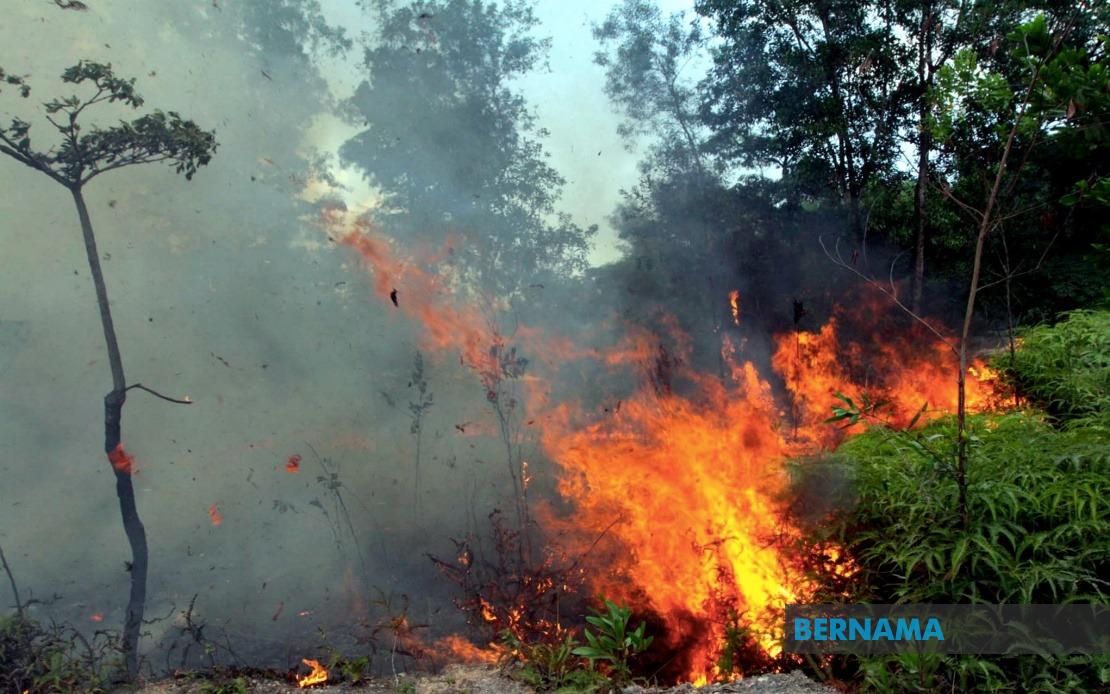
The Sabah Fire and Rescue Department has issued a strong advisory against open burning practices as transboundary haze originating from forest fires in Kalimantan begins to degrade air quality across the state. According to department director Mohd Pisar Aziz, smoke from burning areas in southern and central Borneo is being transported northward by prevailing wind patterns, with visible haze now covering major population centres including Kota Kinabalu and Kimanis. The phenomenon underscores the persistent challenge faced by Malaysian states sharing borders with Indonesia, where seasonal agricultural clearing and uncontrolled forest fires regularly trigger air pollution crises affecting millions across the region.
Mohd Pisar Aziz emphasised that the combination of meteorological conditions—particularly hot and dry weather—has created an environment conducive to rapid fire spread, making community cooperation essential in preventing further deterioration of air quality. He characterised open burning as a public safety and environmental hazard, reminding residents that such activities constitute a legal offence. The warning reflects mounting concern among authorities about the potential for locally-ignited fires to compound the transboundary pollution already affecting the state, creating a compounding effect that could rapidly overwhelm air quality systems.
Current air pollutant readings indicate that Sabah remains within moderate pollution levels, though readings have begun trending upward. The Air Pollutant Index Management System recorded Kota Kinabalu at 83, Politeknik Kota Kinabalu at 81, and Kimanis at 76 as of mid-afternoon measurements. While these figures do not yet signify hazardous conditions, they represent a noticeable deterioration from baseline levels and demonstrate the advancing nature of the haze front moving across the state. Meteorological patterns suggest these readings may increase in coming days if the Kalimantan fire situation remains uncontained.
The fire department has implemented precautionary measures in response to the deteriorating conditions. Keningau and Pitas have both been placed under an open-burning prohibition following seven consecutive days without rainfall, a threshold that substantially elevates fire risk in these areas. The ban encompasses all forms of open burning including household rubbish, dried vegetation, garden waste, and construction debris—materials that, when burned, release particulates that intensify existing haze conditions. This targeted intervention represents a standard response protocol in Sabah and reflects longstanding experience with managing seasonal transboundary pollution episodes.
Mohd Pisar Aziz specifically cautioned vulnerable population segments including asthma sufferers, children, and elderly residents to implement additional protective measures regardless of current moderate air quality readings. This precautionary stance acknowledges that individuals with pre-existing respiratory conditions face elevated health risks even at pollution levels deemed acceptable for the general population. The department's emphasis on protecting high-risk groups suggests authorities anticipate worsening conditions and wish to establish healthy precautionary habits early rather than react after air quality deteriorates significantly.
Public health guidance released by the department recommends limiting outdoor exposure during peak pollution hours between 11 am and 4 pm, when atmospheric conditions typically trap pollutants near ground level. Residents are advised to maintain adequate hydration and wear protective face masks when venturing outdoors in affected areas. Additionally, authorities recommend inspecting electrical installations for potential fire hazards, a measure designed to eliminate one common source of fire ignition during periods of extreme dryness. These recommendations reflect evidence-based approaches to mitigating health impacts and preventing accidental fire initiation.
The department has also emphasised the importance of basic fire prevention discipline among the general public. Citizens have been urged to dispose of cigarette butts responsibly, as carelessly discarded smoking materials represent a significant fire ignition source, particularly in dry conditions. The comprehensive nature of these recommendations suggests authorities view fire prevention as a shared responsibility requiring sustained community engagement rather than a challenge addressable through regulatory measures alone.
Residents and businesses have been instructed to report any suspicious fire-related activities or visible fires immediately to the fire department via the emergency hotline 999. This emphasis on rapid reporting reflects the critical importance of early response in containing fires before they spread across larger areas. The department's accessibility and responsiveness during haze episodes can significantly influence whether small incidents escalate into major events affecting broader populations.
The current situation demonstrates the persistent vulnerability of Malaysian states, particularly those in Sabah and Sarawak, to environmental conditions originating from neighbouring jurisdictions. Seasonal transboundary haze has become an accepted feature of the regional calendar, yet each episode carries genuine health and environmental consequences for affected populations. Unlike purely domestic air pollution sources, which remain subject to Malaysian regulatory authority, transboundary pollution requires coordinated international efforts involving Indonesian authorities—a challenge that has defied comprehensive resolution despite decades of bilateral discussion and cooperation frameworks.
Sabah's experience with transboundary haze illustrates broader environmental governance complexities affecting Southeast Asia. While Malaysian authorities implement preventive measures and health guidance, the underlying fire sources remain beyond their direct control. The current episode highlights the importance of maintaining vigilance at the local and state level, ensuring that domestic burning practices do not compound externally-sourced pollution. Residents' cooperation in ceasing open burning during haze episodes represents one of few mitigation levers available to state authorities seeking to minimize cumulative air quality degradation.
Looking forward, air quality conditions in Sabah will likely depend on developments in Kalimantan fire activity and prevailing wind patterns. Authorities have signalled readiness to escalate precautionary measures should conditions deteriorate further, with additional restrictions and health advisories potentially forthcoming. The current moderate pollution levels remain manageable for most populations but serve as a reminder of the region's environmental interconnectedness and the importance of sustained regional cooperation in managing shared natural resources and atmospheric conditions.

