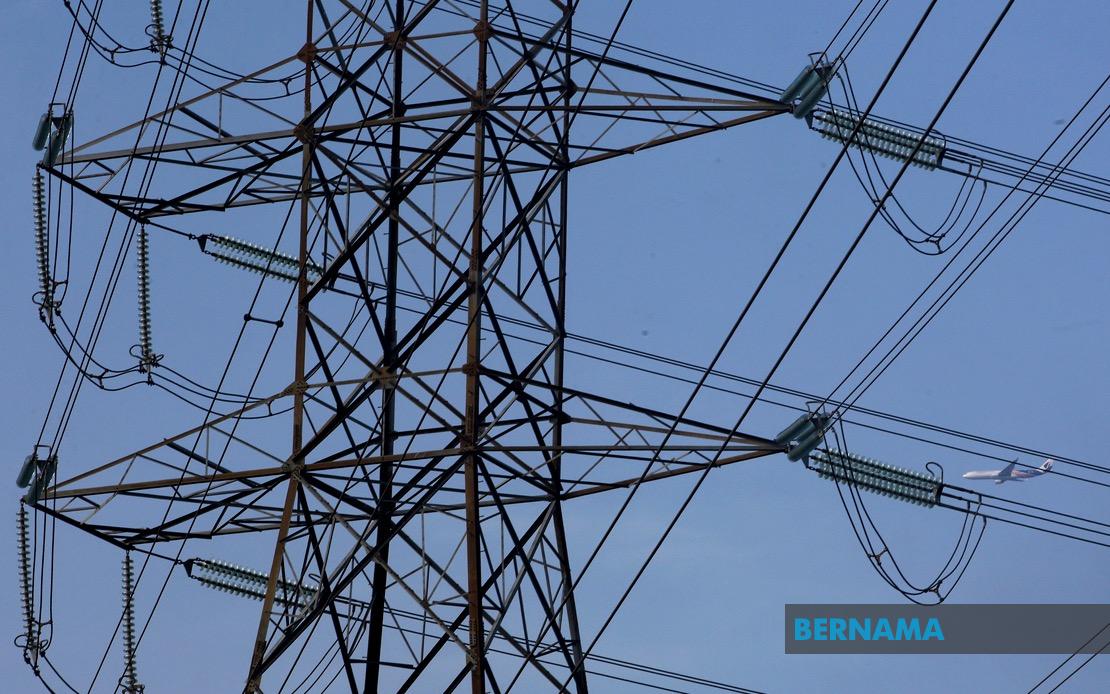
Sabah Electricity announced on June 29 that it would roll out scheduled power rationing across multiple zones throughout the state, a direct consequence of constrained generation capacity stemming from interrupted gas deliveries to several thermal power stations. The measured intervention reflects mounting pressure on the regional electricity network, which has seen its operational cushion—the reserve margin—substantially compressed, necessitating deliberate load management to preserve overall system integrity and forestall cascading blackouts that could affect wider consumer populations.
The underlying cause centres on supply disruptions affecting the natural gas pipelines that feed Sabah's power generation infrastructure. Gas-fired plants typically form a critical backbone of the state's energy portfolio, and any interruption to these fuel supplies immediately translates into reduced output across the network. Rather than allow demand to outstrip available supply in an uncontrolled fashion—a scenario that risks sudden, widespread outages—Sabah Electricity opted for controlled, scheduled disconnections in designated areas. This approach, while inconvenient for affected residents and businesses, allows the utility to maintain equilibrium across the broader grid.
The reserve margin represents the difference between maximum available generation and actual demand at any given moment. A healthy margin provides operators with flexibility to respond to unexpected outages or sudden demand spikes. When gas supply problems shrink this buffer, as has occurred in Sabah's case, the system becomes fragile. Even minor disturbances—a power plant offline for maintenance, unexpectedly high air-conditioning demand during peak heat, or equipment failures—could cascade into blackouts. Rationing, therefore, functions as a stabilisation mechanism, deliberately reducing load to safer levels until underlying supply issues resolve.
Sabah Electricity indicated in its statement that the restriction would remain temporary, contingent on restoration of adequate generation capacity and normalisation of the grid's operating conditions. The utility pledged active coordination with relevant stakeholders—likely including gas suppliers, state government authorities, and other energy sector players—to expedite the reinstatement of full power output. Meanwhile, operational teams are implementing optimisation strategies across the grid network itself, adjusting voltage levels, redirecting current flows, and managing load distribution to diminish hardship on consumers where feasible.
For residents and businesses in affected areas, the practical impact involves scheduled periods without electricity supply. The utility committed to publishing updated rosters and maps of zones subject to rationing through its official Sabah Electricity Careline Facebook channel, enabling households and enterprises to plan accordingly. A dedicated contact line—15444—was established for customer inquiries, offering a direct avenue for residents to obtain information about their specific locations and when outages might occur. This communication infrastructure attempts to mitigate frustration by providing clarity and predictability, allowing consumers to adjust routines and protect sensitive equipment.
The situation underscores vulnerabilities in Sabah's energy infrastructure, particularly its reliance on gas-fired generation and the dependency on stable gas supply chains. Unlike states with more diversified generation portfolios incorporating hydroelectric, coal, or renewable resources, Sabah's concentration in natural gas exposes the region to supply-side shocks. Disruptions upstream—whether at production facilities, processing plants, or transmission pipelines—directly cascade into consumer-facing electricity shortages. This incident highlights the strategic importance of infrastructure resilience and fuel diversification for long-term energy security in the state.
For Malaysia's broader energy landscape, the Sabah situation carries cautionary implications. As the nation pursues climate goals and phases toward renewable energy, ensuring stable transitions without creating new vulnerabilities remains essential. The immediate crisis in Sabah reflects not merely temporary logistics problems but systemic questions about whether existing energy infrastructure adequately buffers against disruptions. State and federal authorities will likely examine whether investments in pipeline redundancy, storage facilities, or alternative generation sources might have softened this impact.
The rationing decision also illustrates the delicate balance utilities must strike between consumer convenience and system stability. Uncontrolled blackouts, triggered by allowing demand to outstrip supply, cause far greater aggregate harm—damaging appliances, disrupting businesses, affecting hospitals and emergency services—than scheduled, managed outages that residents can anticipate and prepare for. Sabah Electricity's approach, communicating schedules and providing contact channels, represents industry best practice in this context, though consumer frustration remains understandable.
The utility's appeal for consumers to rely exclusively on official channels and avoid sharing unverified information speaks to concerns about misinformation during crises. Uncertainty about power availability can prompt panic buying, hoarding of fuel, or unnecessary trips to emergency services. Official communication, while sometimes perceived as inadequate, anchors public understanding in authoritative facts and reduces downstream damage from rumour and speculation.
Moving forward, resolution hinges on swift restoration of gas supply to affected power plants. Sabah Electricity's coordination with suppliers and government bodies will determine whether the disruption remains a brief inconvenience or stretches into weeks, compounding economic impact across the state. Meanwhile, the incident reinforces the case for long-term infrastructure investment to prevent such crises from recurring.

