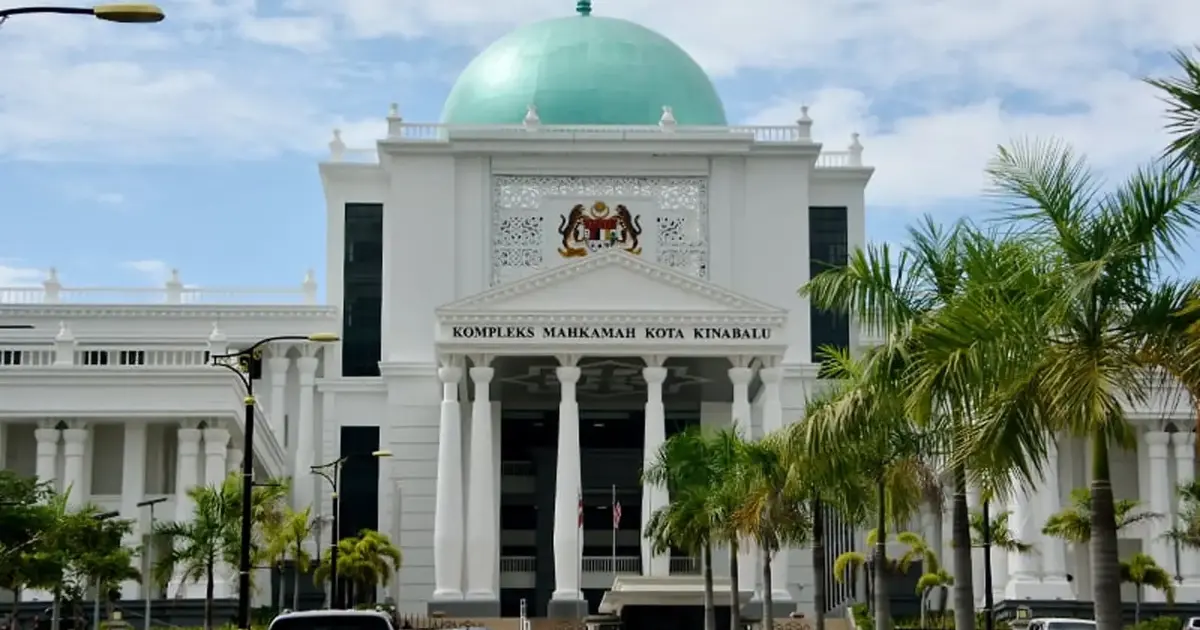
A sessions court in Sabah has ruled against Albert Tei in his defamation suit targeting a state minerals corporation, marking a significant legal setback for the plaintiff. Judge Monica Linsua determined that when examined in its complete context, the company's public statement did not carry implications that Tei was engaged in political activities or campaign work, which formed the crux of his legal challenge.
The case represents another chapter in Sabah's complex political and commercial landscape, where business entities with government connections frequently intersect with personal disputes involving public figures. Tei's decision to pursue legal action reflects the contentious nature of reputational claims in the state's business community, where statements attributed to corporations can carry significant weight in determining individual standing and credibility.
Judge Linsua's interpretation of the contested statement proves pivotal to understanding the court's reasoning. By focusing on the holistic meaning of the company's words rather than isolated phrases, the judge applied a legal principle that requires courts to assess potentially defamatory material by considering its complete context and overall message. This methodology often proves challenging in cases where language may seem ambiguous or capable of multiple interpretations when examined piecemeal.
The dismissal carries implications for how Sabah's business community understands corporate communication standards and the legal boundaries between fair comment and actionable defamation. Companies operating in the state must navigate increasingly scrutinised public statements, particularly those affiliated with government entities, where shareholders, stakeholders, and the general public expect transparency balanced against commercial discretion.
Defamation law in Malaysia, including Sabah, requires plaintiffs to demonstrate that published statements directly damaged their reputation by falsely associating them with negative characteristics or conduct. The burden of proof rests heavily on complainants to show that reasonable readers would interpret the disputed words as factual assertions rather than opinion or hyperbole. Tei's inability to satisfy this threshold at the sessions court level illustrates the difficulty claimants face when pursuing such cases.
The ruling also reflects judicial reluctance to intervene in corporate communications absent clear evidence of malicious intent or deliberately false statements. Courts typically maintain a measured approach to defamation claims involving companies, recognising that organisations frequently make statements about business developments, policy positions, and operational matters that may displease certain individuals or groups without crossing into actionable defamation territory.
For stakeholders monitoring corporate accountability in Sabah, the decision raises questions about the appropriate mechanisms for challenging potentially unfair or misleading company statements. While defamation law offers one avenue, its restrictive application means aggrieved parties may need to explore alternative remedies through regulatory bodies, industry associations, or public discourse channels to address corporate communication they deem problematic.
The case also illuminates broader patterns in Sabah's legal system regarding how courts weigh competing interests between protecting individual reputations and safeguarding corporate freedom to communicate with public audiences. This balance remains contested across Malaysian jurisdictions, with different judges and courts sometimes reaching varying conclusions on similar factual scenarios.
Tei's experience serves as a cautionary reminder for individuals considering defamation litigation, particularly against established entities with resources for robust legal defence. Success in such cases demands not merely that statements feel offensive or harmful to the plaintiff, but that they demonstrably contain false factual assertions capable of measurable reputational damage supported by credible evidence.
Moving forward, the judgment may influence how other potential claimants in Sabah evaluate defamation claims, potentially discouraging some from pursuing litigation while prompting others to refine their legal strategies and evidence gathering before filing suits. Companies may also interpret the ruling as judicial endorsement of their communication practices, though prudence would suggest continued carefulness in public statements regardless of litigation outcomes.
The broader significance extends to Southeast Asian business communities generally, where state-linked enterprises operate under heightened public scrutiny and legal complexity. The Sabah sessions court's reasoning provides guidance on judicial interpretation of corporate statements across the region, informing both corporate communication strategies and individual decisions about pursuing defamation remedies in analogous circumstances.

