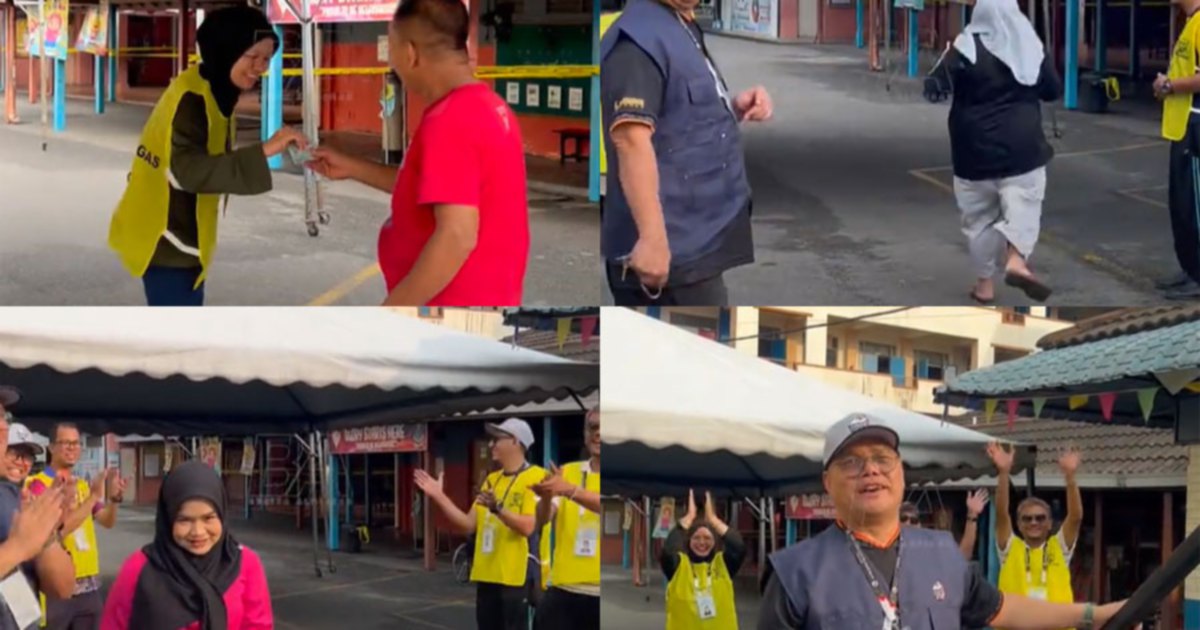
A video that has rapidly circulated across social media platforms offers a compelling glimpse into the dramatic conclusion of voting in Negri Sembilan's state election, capturing citizens racing against the clock to exercise their democratic right before the 6pm closure deadline. The footage has resonated widely with Malaysian audiences, prompting discussion about voter engagement and the lengths individuals are prepared to undertake to participate in electoral processes.
The clip documents the frenzied activity outside polling stations as the final hours of voting approached, with voters visibly hurrying to reach ballot boxes before officials halted proceedings. The imagery underscores the determination displayed by sections of the electorate in Negri Sembilan to ensure their voices were heard, notwithstanding the time constraints imposed by established polling protocols. Such scenes are not uncommon during state and federal elections across Malaysia, where last-minute voter turnout often creates bottlenecks at polling locations.
The viral nature of the footage reflects broader patterns in how Malaysians engage with election-related content on digital platforms. Social media has become increasingly central to how citizens document, interpret, and share their experiences during electoral events. This particular video taps into a relatable narrative—the universal tension of racing against deadlines—making it particularly shareable and memorable for online audiences across different demographic groups.
For election management officials, such scenes highlight the perennial challenge of balancing accessible voting procedures with the orderly administration of polling stations. The requirement that voters complete their balloting by 6pm is established practice in Malaysian elections, designed to ensure election committees can count ballots within reasonable timeframes and maintain operational efficiency. However, long queues near closing time occasionally raise questions about whether the prescribed hours adequately accommodate the voting population's needs, particularly in areas with higher population densities or where voters face transportation barriers.
The Negri Sembilan state election itself represents one of Malaysia's periodic exercises in regional democratic participation. State elections serve as important barometers of political sentiment and voter preferences at the local level, often carrying implications for understanding broader national political dynamics. Negri Sembilan, with its diverse composition of urban, suburban, and rural constituencies, typically sees varied turnout patterns influenced by local development priorities, incumbency factors, and prevailing national political currents.
From a civic engagement perspective, the determination demonstrated by voters in the viral footage is noteworthy. Despite various structural and logistical obstacles that can discourage participation—including transportation difficulties, work schedules, and physical accessibility challenges—segments of the electorate prioritize voting sufficiently to alter their daily routines. This suggests that campaigns and public discourse leading up to elections successfully mobilize portions of the population around the significance of casting ballots.
The video's viral spread also illustrates how electoral moments, often characterized by administrative formality in conventional media coverage, can become moments of human interest and relatability when captured and shared by ordinary citizens. This democratization of election storytelling provides alternative narratives to official election coverage, sometimes foregrounding the lived experiences of voters themselves rather than candidate profiles or polling analysis.
For Malaysian election observers and political analysts, such footage contributes to ongoing discussions about voter behavior and electoral participation patterns. Understanding when and why citizens choose to vote, and what obstacles they overcome to do so, provides valuable context for assessing the health and vitality of democratic processes. The Negri Sembilan footage, by visually documenting voter determination, implicitly speaks to the importance many citizens attach to participation in state governance decisions.
The timing of such viral moments can also influence political discourse in subtle ways. When footage showing enthusiastic participation—even if framed humorously as a last-minute rush—circulates widely, it can reinforce messaging about the importance of voting and potentially encourage others to participate in future electoral events. Election commissions and civil society organizations often strategically leverage such organic moments to promote civic engagement messaging.
Looking forward, the incident captured in the viral video serves as a practical reminder for election authorities to consider capacity planning and queue management strategies. For voters themselves, it underscores the importance of arriving at polling stations well before closing times, avoiding the uncertainty and stress associated with last-minute balloting. Public education campaigns around future elections might reference such footage to encourage early voting.
The broader significance of such viral electoral moments lies in their capacity to maintain public interest in democratic processes beyond formal campaign periods. By capturing authentic expressions of civic participation and translating them into shareable digital content, these videos contribute to a culture where voting and electoral engagement remain topics of public conversation and social media discussion, ultimately supporting the visibility and relevance of democratic institutions in Malaysian society.

