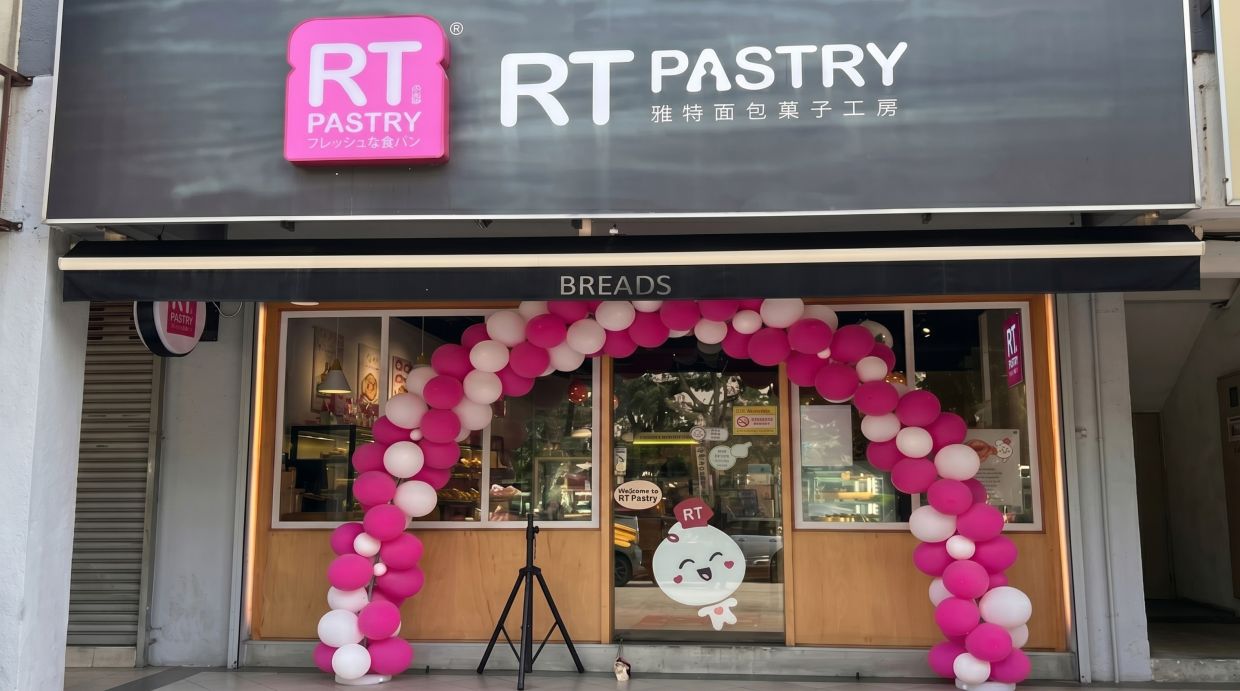
RT Pastry Holdings Bhd has achieved halal certification from Malaysia's Department of Islamic Development (JAKIM) for its main production plant, marking a significant milestone for the bakery manufacturer's compliance credentials and market positioning. The certification, granted for Plant 1 located in Taman Bukit Serdang, Seri Kembangan, became effective on July 1 and remains valid through June 30, 2028, providing the company with a five-year window of assured halal status across its manufacturing operations.
The bakery group's portfolio now encompasses an extensive range of products under halal certification, spanning cakes, Swiss rolls, pastries, cookies, desserts and various other baked goods. This breadth of product coverage demonstrates JAKIM's comprehensive assessment of RT Pastry's manufacturing processes and ingredient sourcing, extending protection across the company's primary output categories rather than limiting certification to selected items.
The certification was awarded under the Malaysian Halal Standard MS1500:2019, a rigorous framework that establishes stringent benchmarks for every stage of food production. The standard encompasses sourcing protocols for raw materials, manufacturing techniques, handling procedures, and sanitary conditions throughout the production chain. By meeting these requirements, RT Pastry has demonstrated that its operations align with Islamic dietary principles and maintain the hygiene standards demanded by Malaysian consumers and international markets.
This achievement follows RT Pastry's earlier certification success with its secondary facility. Plant 2, situated in the Glenmarie area, obtained JAKIM halal certification in 2023, signalling the company's systematic approach to securing compliance across its manufacturing network. The sequential certification of both plants underscores management's strategic commitment to building a fully certified production infrastructure that can satisfy the growing halal-conscious consumer base throughout Malaysia and the broader Southeast Asian region.
Executive director and group chief executive officer Lu Chun-Neng characterised the certification beyond a mere regulatory checkbox, positioning it instead as evidence of the company's fundamental values. He emphasised that halal certification represents RT Pastry's dedication to quality assurance, corporate integrity, and the confidence that consumers can place in its products. This framing reflects broader industry understanding that halal certification serves not only as compliance with religious requirements but also as a quality guarantee that resonates with Malaysian consumers across demographic groups.
For Malaysia's halal industry landscape, RT Pastry's dual-plant certification reflects the strategic importance of the sector. The halal bakery market has experienced consistent growth driven by Malaysia's majority Muslim population, rising disposable incomes, and increasing consumer awareness of food authenticity. Companies like RT Pastry that invest in securing and maintaining JAKIM certification signal confidence in market expansion and willingness to meet the expectations of discerning consumers who prioritise halal assurance alongside product quality and taste.
The implications of this certification extend beyond domestic consumption patterns. Malaysia's halal certification framework has become a gateway to international markets, particularly in Muslim-majority nations across Southeast Asia, the Middle East, and parts of South Asia. By securing JAKIM certification for its manufacturing plants, RT Pastry enhances its competitive positioning for export opportunities, as many importers specifically require JAKIM-certified products as a mark of authenticity and quality.
The company's statement indicates expansion plans for its product range while maintaining manufacturing standards. This growth trajectory requires robust supply chain governance and consistency across multiple production lines, making the certification valuable insurance against disruptions. Should RT Pastry's future innovations include new baked goods or modified recipes, the company would need to seek additional approvals from JAKIM, but the foundational certification of its facilities provides a streamlined pathway for such expansions.
From a business perspective, the five-year validity period provides RT Pastry with operational stability and marketing clarity. The certificate's duration allows the company to build consumer trust through consistent branding and messaging around halal status without requiring immediate recertification cycles. Marketing teams can integrate JAKIM certification prominently into packaging and promotional materials, knowing the certification will remain valid through at least mid-2028 unless manufacturing practices or facilities undergo significant changes requiring renewed assessment.
The certification also addresses potential supply chain vulnerabilities. Food manufacturers operating in Malaysia increasingly recognise that halal status can affect relationships with retailers, wholesalers, and institutional buyers. Supermarket chains, hotels, restaurants, and food service operators frequently prioritise halal-certified suppliers to meet customer preferences and regulatory expectations. RT Pastry's certified status removes a potential friction point in distribution negotiations and strengthens its appeal to B2B buyers requiring documented halal compliance.
Industry observers note that JAKIM certification rates among Malaysian food manufacturers have steadily increased, reflecting both regulatory pressure and market demand. However, achieving and maintaining certification requires sustained investment in training, documentation, facility maintenance, and regular audits. Companies like RT Pastry that successfully navigate these requirements demonstrate operational maturity and commitment to the standards that increasingly define Malaysia's competitive advantage in regional food manufacturing and export markets.

