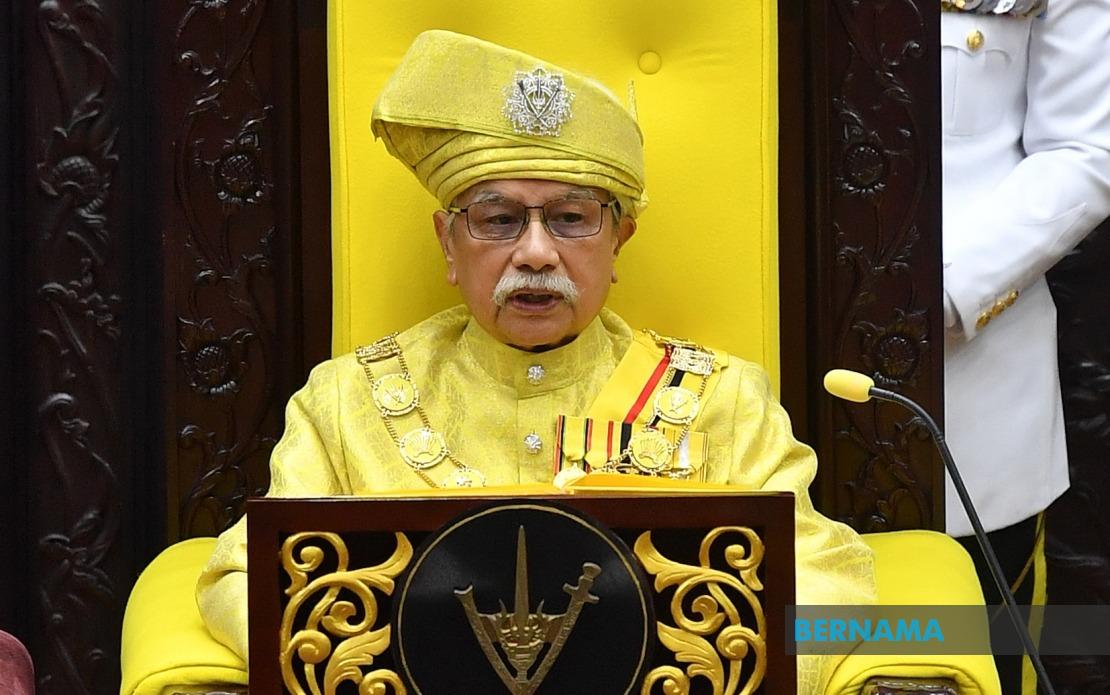
Negeri Sembilan's paramount ruler, Tuanku Muhriz Tuanku Munawir, has given his blessing for a formal royal audience ceremony to be held this Saturday at Istana Besar Seri Menanti, formalising the installation of Hassan Ab Hamid as the 22nd Undang of Rembau. The announcement came through Tunku Besar Seri Menanti, Tunku Ali Redhauddin Tuanku Muhriz, during a meeting with the adat leaders of Rembau, underscoring the significance of ceremonial protocol in Negeri Sembilan's distinctive customary governance framework.
The selection of Hassan Ab Hamid, 67, was made according to established adat procedures within the Rembau luak, or traditional division. Datuk Juan Datuk Zulkipli Shamsudin, who chairs the Kerapatan Buapak Delapan ceremony overseeing the Biduanda Nan Dua Carak customary clan, confirmed the appointment followed centuries-old traditions unique to this state. The process reflects the deeply embedded role that adat governance continues to play in Negeri Sembilan's administrative and social structure, distinguishing it from other Malaysian states with more centralised governance models.
A critical distinction emerged from the ceremonial announcement regarding the nature of royal involvement in adat matters. Zulkipli clarified that under the Adat Perpatih system, the Yang Dipertuan Besar does not appoint or select an Undang by personal discretion. Rather, the monarch's role is fundamentally different—to receive delegations from the luak when they seek audience and, where custom dictates, to provide formal recognition and consent to decisions already reached through grassroots customary processes. This nuance carries significant implications for understanding power distribution in Negeri Sembilan, where adat leaders retain genuine decision-making authority rather than serving merely as extensions of royal will.
The clarification became necessary because widespread misunderstandings persist regarding adat governance structures. Zulkipli emphasised that any characterisation of the Yang Dipertuan Besar as an appointing authority misrepresents centuries of Negeri Sembilan tradition. The distinction reflects a sophisticated constitutional arrangement whereby traditional monarchical authority coexists with community-based customary governance. This model offers lessons for Malaysian federalism, particularly in how heritage institutions can be preserved while maintaining democratic principles embedded in local decision-making.
The vacancy requiring this ceremony arose following the death of the previous Undang of Rembau, Datuk Lela Maharaja Datuk Muhamad Sharip Othman, who passed away on May 15, 2024, at age 83. The transition marked the end of a tenure that had spanned multiple decades, reflecting the respected position the Undang holds within Rembau's traditional hierarchy. The gap between his passing and the formal installation ceremony underscores the careful deliberation that characterises adat selection processes, which prioritise community consensus over administrative expediency.
For Malaysian readers unfamiliar with Negeri Sembilan's governance, the Adat Perpatih system represents one of the nation's most distinctive institutional arrangements. The state's four luaks—Rembau, Johol, Jelebu, and Tampin—each maintain their own Undang, forming a decentralised governance structure that predates colonial administration. This arrangement survives because it remains embedded in the state constitution and continues to command legitimacy among local populations. The persistence of such systems amid modern nation-building offers valuable insights into pluralism within Malaysia's constitutional monarchy.
The formal ceremony scheduled for Saturday carries ceremonial and symbolic weight that extends beyond administrative formality. The choice of Istana Besar Seri Menanti as the venue reinforces the connection between royal authority and adat legitimacy, even as their roles remain distinct. Such ceremonial occasions serve to renew public commitment to customary traditions while demonstrating that these systems operate with contemporary constitutional sanction. For younger generations, these visible celebrations of adat provide tangible evidence that heritage governance frameworks remain living, relevant institutions rather than museum pieces.
The involvement of adat leaders in contemporary governance structures raises important questions about how traditional institutions adapt to modern challenges. The Undang's responsibilities, while rooted in historical precedent, must address contemporary issues affecting their communities—from land disputes to economic development within adat-designated areas. Hassan Ab Hamid's installation will test whether traditional leadership can effectively bridge historical customs with present-day governance needs in an increasingly urbanised state.
Negeri Sembilan's adat system also provides comparative context for other Southeast Asian nations grappling with how to accommodate indigenous governance traditions within modern nation-states. Malaysia's approach—embedding adat within constitutional frameworks while maintaining royal recognition—differs substantially from approaches adopted elsewhere in the region. The Saturday ceremony, though local in immediate significance, exemplifies how plural legal and governance systems can coexist within a unified national structure.
The explicit statement that the Yang Dipertuan Besar plays no role in selecting Undangs carries contemporary political importance. At a time when traditional institutions face scrutiny regarding their relevance and legitimacy, clarifying the boundaries between royal authority and adat autonomy strengthens both. It demonstrates that adat leaders retain genuine agency in governance matters affecting their communities, preventing accusations that tradition has become merely ceremonial window-dressing for centralised authority.
Looking forward, Hassan Ab Hamid's tenure will unfold within a rapidly changing Negeri Sembilan. The state has experienced significant development pressures, particularly around Kuala Lumpur's expansion. How the Undang navigates tensions between preserving adat traditions and accommodating economic development will shape perceptions of whether these governance systems remain functional in modern Malaysia. His installation represents both continuity with centuries of tradition and a fresh chapter in adapting that tradition to contemporary circumstances.

