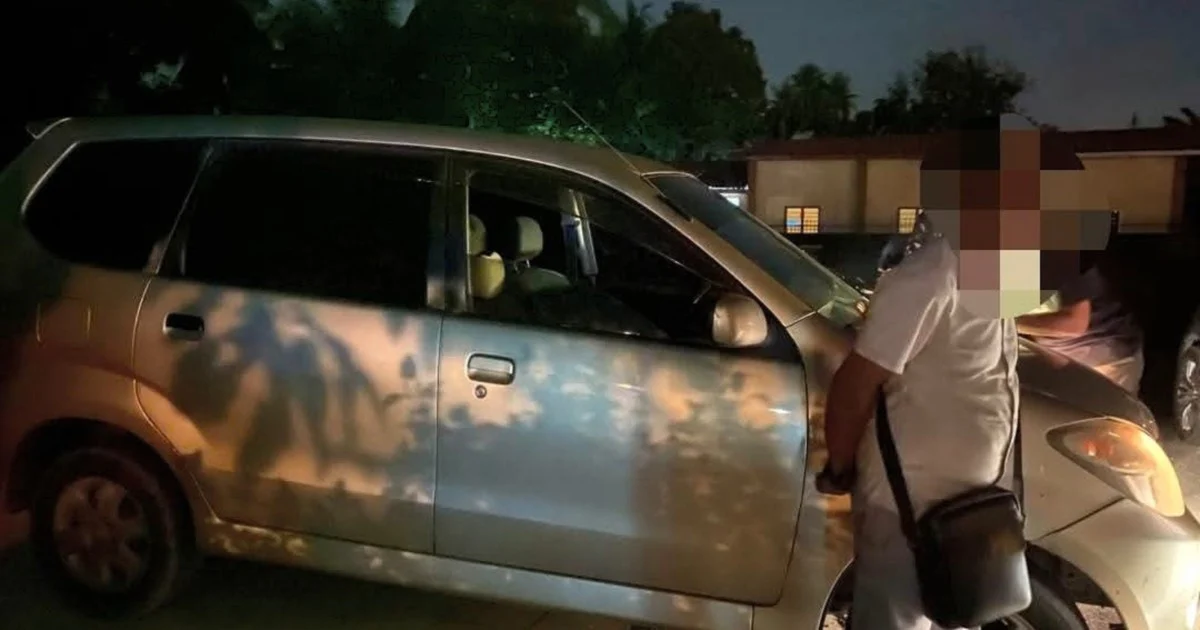
A 32-year-old Rohingya man has been taken into custody by the Kedah Road Transport Department following his apprehension while operating a multi-purpose vehicle without authorisation to drive. The arrest was made during a targeted enforcement operation conducted by RTD officers in Alor Star, the state capital, reflecting ongoing efforts by transport authorities to maintain road safety standards across the region.
The incident underscores a persistent challenge facing Malaysian road authorities, who contend with a significant number of unlicensed drivers operating vehicles on public roads each year. The practice poses considerable risks not only to the operator but to other road users, as unlicensed drivers lack formal verification of their understanding of traffic laws and vehicle operation safety protocols. In Kedah, where road accidents have historically been a concern, such enforcement operations serve as a critical mechanism for reducing traffic violations and improving overall road safety outcomes.
The RTD's operations targeting unlicensed drivers form part of a broader national strategy to enhance compliance with transportation regulations. These enforcement activities are typically conducted during specific periods and focus on high-traffic areas or problem zones identified through accident data and traffic monitoring. By apprehending drivers operating vehicles without valid licences, authorities aim to deter non-compliance and encourage motorists to obtain proper documentation before taking to the roads.
The case also touches upon a broader humanitarian and administrative issue affecting Rohingya populations in Malaysia. As a stateless group with limited legal documentation, many Rohingya individuals face barriers to accessing formal identification systems and services, including driving licences. This gap between their presence in the country and their legal status creates complex enforcement challenges for authorities, who must balance road safety imperatives with sensitivity to the circumstances of vulnerable migrant populations.
Driving without a valid licence carries serious legal consequences under Malaysian traffic law. Offenders can face fines, vehicle impoundment, and potential imprisonment depending on the severity of the violation and whether prior offences exist. First-time offenders typically face monetary penalties, while repeat violators face increasingly stringent punishments. The prosecution process follows established procedures under the Road Transport Act, with cases heard in traffic courts throughout the country.
The enforcement operation reflects Kedah RTD's commitment to systematic road safety campaigns. Such operations are typically publicised in advance to alert the public, creating a deterrent effect that extends beyond the specific time and location of enforcement. By maintaining consistent visibility and enforcement presence, authorities hope to cultivate a culture of compliance among drivers across all demographic groups.
For the Rohingya community in Malaysia, legal complications arising from traffic violations can have cascading consequences. Beyond the immediate penalties for driving without a licence, such arrests may draw additional scrutiny or create complications with immigration authorities, particularly given the complex legal status of undocumented populations. Many Rohingya in Malaysia operate in informal employment sectors where vehicle ownership and driving may be necessary for livelihood, yet the pathway to legally obtaining driving licences remains fraught with bureaucratic obstacles.
The incident also highlights the importance of continued public education campaigns regarding traffic regulations. While enforcement operations target violators, parallel educational initiatives targeting both citizens and non-citizen populations can improve awareness of licensing requirements and the safety rationale behind them. Multilingual information campaigns and community engagement programmes can help bridge knowledge gaps among populations with limited familiarity with Malaysian traffic laws.
Road safety remains a significant public health priority across Malaysia and Southeast Asia. The World Health Organization has identified road traffic injuries as a leading cause of death and disability in the region. Every enforcement action, though appearing routine in isolation, contributes to aggregate improvements in traffic safety outcomes. When applied consistently and fairly across all population groups, such operations help reduce the prevalence of dangerous practices that contribute to accidents, injuries, and fatalities on Malaysian roads.
The RTD's continued focus on unlicensed drivers reflects evidence that unlicensed operation significantly elevates accident risk. Drivers without formal licensing are statistically more likely to engage in other risky behaviours, lack knowledge of defensive driving techniques, and may be unfamiliar with vehicle maintenance principles essential for safe operation. By removing unlicensed drivers from roads, authorities directly contribute to the safety of other motorists and pedestrians.
Moving forward, addressing this challenge effectively will require coordinated approaches involving immigration authorities, transport regulators, and community organisations. For vulnerable populations like Rohingya, pathways to legal documentation and compliance should ideally be clarified and made more accessible where possible, while simultaneously maintaining strict enforcement of road safety standards. The balance between security, administrative efficiency, and humanitarian concerns remains central to how Malaysian authorities manage such cases.

