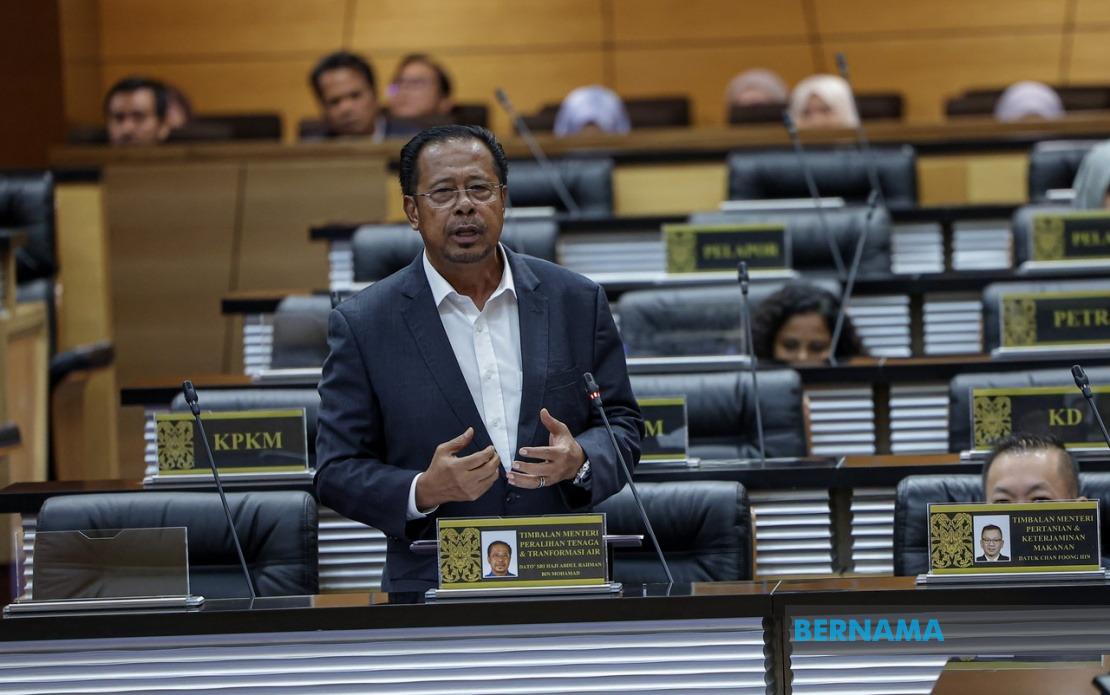
A major infrastructure initiative aimed at mitigating chronic flooding in Johor's Sungai Skudai basin has moved into its planning phase, with the RM99.8 million Integrated River Basin Development project expected to safeguard approximately 15,000 residents upon completion. Deputy Minister of Energy Transition and Water Transformation Datuk Seri Abdul Rahman Mohamad told Parliament that the initiative, funded under the 12th Malaysia Plan, would address flooding across a 50-hectare catchment area while simultaneously enhancing the river ecosystem and supporting local livelihoods.
The project represents a comprehensive approach to one of Johor's persistent infrastructure challenges, combining structural engineering solutions with environmental restoration. Rather than pursuing quick-fix interventions, authorities have prioritised an extended planning horizon that emphasises detailed technical preparation before any earthworks commence. This methodical approach reflects lessons learned from previous flood management failures across Southeast Asia, where inadequate upfront investigation led to costly design flaws and environmental damage.
Current activities centre on foundational work essential to project refinement. A consultant appointed in May 2025 is developing the concept report, while comprehensive survey operations that commenced in November 2025 are scheduled for completion by May 2027. These investigations will map river conditions, soil composition, hydrology patterns, and infrastructure interactions across the 46-kilometre waterway. Simultaneously, land acquisition proceedings initiated in June 2026 are targeted for finalisation by August 2027, a critical step before contractor mobilisation can proceed.
The timeline indicates that formal tendering and contractor appointment will follow completion of technical prerequisites, with actual construction commencing around mid-2027. This sequencing, while extending the wait for residents in flood-prone zones, minimises risks of costly redesigns or project delays that frequently plague Malaysian infrastructure schemes. The government is meanwhile implementing interim flood mitigation measures worth approximately RM700,000 through six localised interventions, acknowledging the vulnerability of communities during the extended design and planning phase.
The Sungai Skudai scheme incorporates both engineered and ecological components. The engineering strategy includes reinforcement of riverbanks along the entire 46-kilometre length and selective widening of river sections to approximately 15 metres, substantially increasing hydraulic capacity during monsoon surges. These modifications should substantially reduce inundation frequency in districts that experience repetitive flooding. Authorities have identified approximately 50 flood hotspots along the corridor, with five concentrated in the Kulai district, representing priority intervention zones where targeted work will yield maximum community benefit.
Beyond flood reduction, the initiative recognises multiple stakeholder interests across the basin. Environmental restoration will rehabilitate aquatic habitats degraded by decades of encroachment and pollution, supporting both biodiversity and traditional fishing communities who depend on healthy river ecosystems. The project also aims to enhance navigability for local waterborne transport and improve operational conditions for maritime security and emergency response agencies conducting patrols and disaster response across the waterway. This multifaceted approach reflects growing recognition that water infrastructure must balance competing demands rather than pursuing singular engineering objectives.
The project's advancement requires coordinated interministerial effort, particularly involving the Ministry of Works and related agencies managing transportation corridors intersecting the river basin. A related initiative demonstrates this coordination: the RM174.53 million Phase Three upgrade of Pasir Gudang Highway (FT17) will proceed without acquiring land owned by Keretapi Tanah Melayu Berhad (KTMB), addressing earlier concerns about implementation delays. Instead, construction near railway tracks will operate under work permits and right-of-way agreements negotiated directly with KTMB, streamlining administrative processes and reducing project dependencies.
This dual-track infrastructure development in Johor reflects broader national investment in regional resilience and economic stability. The state, Malaysia's gateway for shipping and industrial activity, depends upon functional transportation and water management systems to sustain competitiveness. Chronic flooding disrupts port operations, manufacturing supply chains, and agricultural activity, imposing substantial economic costs beyond immediate property damage. By addressing root causes of basin-wide inundation, the Sungai Skudai project contributes to economic productivity alongside community welfare.
Implementation across 2027-2028 will test the government's capacity to execute complex water infrastructure within realistic timeframes and budgets. Regional comparisons reveal that similarly scaled river basin projects in Thailand and Indonesia frequently exceed timelines and cost estimates, attributing problems to design revisions, environmental disputes, or contractor performance issues. Malaysia's structured approach, emphasising exhaustive preliminary investigation before construction commencement, theoretically reduces these risks, though execution challenges remain substantial.
For residents and businesses across the basin, the project offers tangible relief from seasonal disruption that has persisted for decades. Frequent flooding has constrained property values, discouraged business investment, and created persistent public health risks. The anticipated risk reduction across 50 hectares will unlock development potential while improving quality of life for approximately 15,000 people currently residing in flood-susceptible zones. Successful delivery would validate the integrated river basin development model as a viable approach to water security across Malaysia's densely populated coastal regions.
The project underscores shifting national prioritisation toward climate resilience infrastructure in response to intensifying rainfall patterns and urbanisation pressures. As climate science indicates increasing precipitation intensity across Southeast Asia, reactive flood response becomes inadequate; proactive structural adaptation, exemplified by the Sungai Skudai initiative, emerges as essential. Johor's experience will likely inform similar projects across other Malaysian basins facing comparable pressures, making effective delivery crucial for demonstrating scalable solutions.

