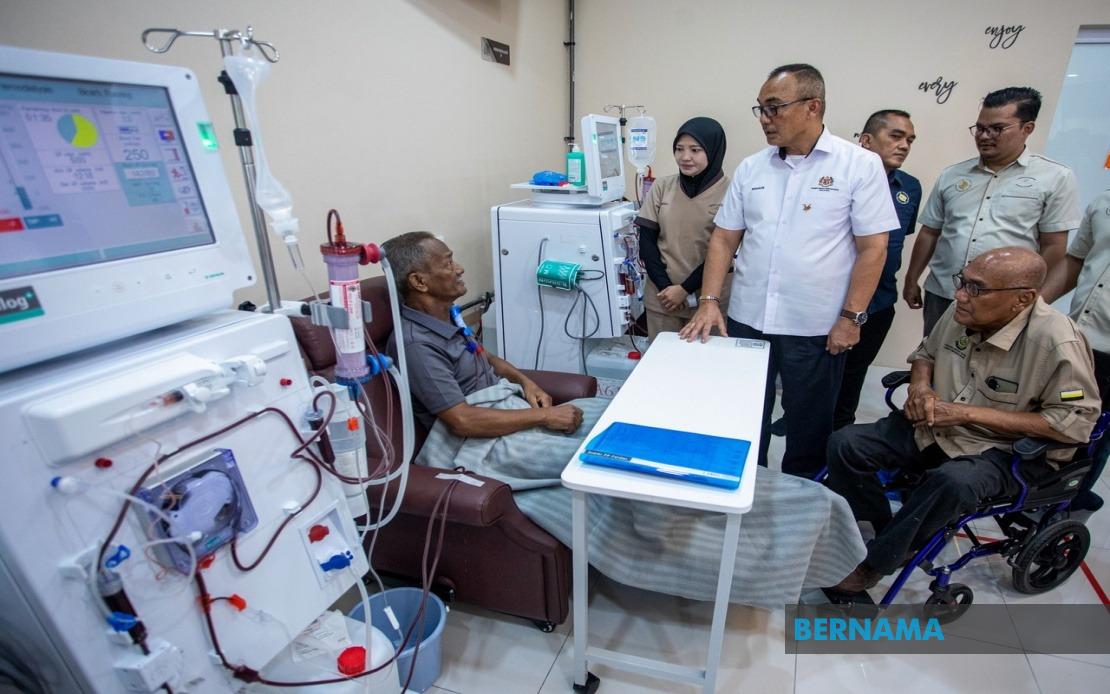
The Malaysian Armed Forces Veterans Foundation has committed substantial resources to enhance renal healthcare across the country, with over RM18 million earmarked for construction of nine new dialysis centres positioned strategically throughout Malaysia. The initiative represents a significant expansion of accessible treatment infrastructure, addressing the growing demand for dialysis services among the veteran population and their dependents. Major General Datuk Semaon Marjuki, director-general of the Malaysian Armed Forces Veterans Affairs Department, highlighted the healthcare significance of this development during the official opening of the Batu Kurau facility in Perak's Larut district.
The geographic distribution of these facilities demonstrates careful planning to serve veteran communities across multiple states. Four dialysis centres are being developed in Selangor, positioning the nation's most populous state to accommodate the highest concentration of treatment capacity. Two additional facilities are situated in Perak, reflecting the substantial veteran population in the state, while single centres in Negeri Sembilan, Johor, and Pahang ensure broader coverage across peninsular Malaysia. This dispersed approach reduces travel burden for patients requiring regular treatment sessions and reflects the government's commitment to equitable healthcare distribution beyond urban concentrations.
Equipped with contemporary medical apparatus and infrastructure conforming to Ministry of Health standards, these facilities represent more than merely expanding bed capacity. Each centre incorporates modern dialysis equipment, trained nursing personnel with relevant clinical experience, and patient-centred design features addressing both medical efficacy and human comfort. The emphasis on meeting established health ministry protocols ensures consistency in treatment quality and safety across all locations, protecting patients from variable standards that might arise from ad hoc facility development.
The operational framework entrusts management to DVET Holding Sdn Bhd, a wholly-owned subsidiary of the MAF Veterans Foundation, maintaining proprietary control and allowing the organisation to streamline service delivery while ensuring alignment with the foundation's welfare philosophy. This subsidiary structure enables focused management attention to the specific needs of veteran populations, differentiating these facilities from general public healthcare infrastructure that may not adequately address military service-related health complications.
Current statistics underscore the scale of dialysis need within the veteran community. Approximately 2,055 armed forces veterans are presently receiving dialysis treatment through various providers including JHEV-operated facilities, the Social Security Organisation, and other approved private providers. This established patient base provides immediate demand for the new centres, while their expansion capacity permits improved service distribution and reduced queue times across the existing network. The scale of this population demonstrates that kidney disease represents a significant health burden among retired military personnel, potentially linked to occupational exposures or service-related health risks.
From a healthcare policy perspective, this initiative addresses critical gaps in Malaysia's dialysis infrastructure. Chronic kidney disease increasingly affects the aging population, and veterans represent a concentrated demographic with elevated health risk profiles. By expanding dedicated facilities serving this population, the government reduces pressures on public hospital dialysis units while simultaneously strengthening its commitment to veteran welfare—a core element of national defence policy recognition. The integration of veteran-specific care with public access maintains affordability principles while generating sustainable revenue through broader community usage.
The strategic value extends beyond immediate medical provision. Dialysis dependency creates ongoing healthcare requirements spanning years or decades, necessitating reliable, conveniently located treatment infrastructure. Patients requiring three sessions weekly face severe mobility constraints, making geographic accessibility paramount. By establishing multiple satellite centres, the foundation enables many veterans to access treatment closer to residential locations, reducing transportation costs and improving treatment adherence rates. This practical approach addresses real-world barriers to sustained dialysis compliance.
The expansion also carries economic implications for local communities. These healthcare facilities generate employment for nurses, technicians, support staff, and administrative personnel while stimulating demand for medical supplies, utilities, and maintenance services. Investment in healthcare infrastructure typically produces multiplier effects throughout regional economies, particularly in smaller towns such as Batu Kurau where tertiary healthcare infrastructure may be limited.
This development reflects broader government priorities regarding veteran support and healthcare accessibility. Official statements emphasise strengthening welfare provisions for armed forces personnel while improving general population health outcomes through strategic facility placement. The dual-access model—prioritising veteran care while serving community members—represents pragmatic resource allocation that acknowledges both special obligations to military service members and universal healthcare principles.
The timing of this expansion coincides with Malaysia's ongoing efforts to develop comprehensive healthcare systems serving diverse population segments. As kidney disease prevalence increases nationally alongside aging demographics, establishing additional dialysis capacity positions Malaysia to manage projected demand increases. The veteran-focused approach provides a replicable model for targeted infrastructure development serving specific populations with identifiable needs and accessible organisational frameworks.
Moving forward, the success of these nine facilities will likely inform further healthcare expansion targeting other veteran health priorities or extending dialysis services to additional regions. The project demonstrates commitment to long-term veteran welfare through infrastructure investment rather than short-term financial assistance alone. By establishing permanent, professionally managed facilities, the government creates sustained healthcare provision capable of serving veteran populations for decades.

