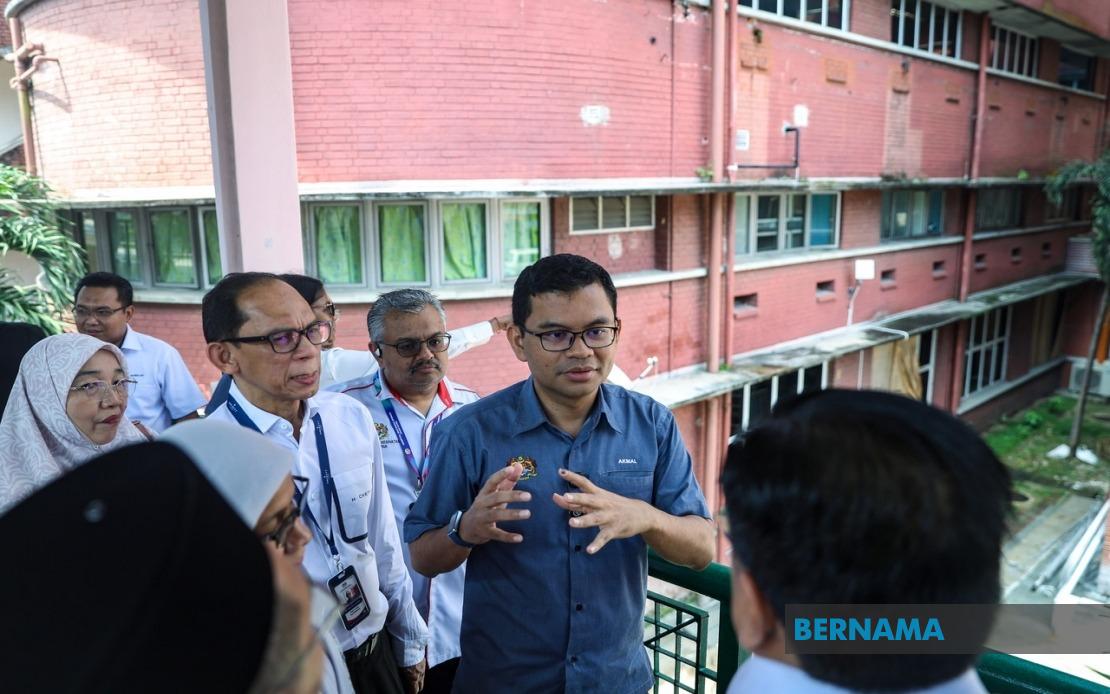
Malaysia's healthcare infrastructure is experiencing significant expansion in Johor, where Sultanah Aminah Hospital (HSA) in Johor Bahru is at the centre of an ambitious modernisation programme. Seven interrelated development and enhancement projects, collectively worth RM1.139 billion, are reshaping the hospital's physical plant and service capabilities. Economy Minister Akmal Nasrullah Mohd Nasir confirmed the scope of these initiatives during a working visit to the state, underscoring the federal government's commitment to strengthening medical facilities in Malaysia's southern region.
The largest single component of the upgrade programme involves construction of a Day Care Centre, including a multi-storey parking facility and the HSA Specialist Clinic Complex spanning two phases, carrying a combined price tag of RM877.54 million. These projects represent a strategic expansion of the hospital's capacity to serve outpatient and day surgery needs, addressing growing demand for specialist services without requiring overnight admission. The Letter of Acceptance for contractor appointment is targeted for February of next year, indicating that detailed design and procurement stages are nearing completion. This timeline reflects careful planning to integrate new facilities with existing operations while maintaining continuity of patient care.
Simultaneously, the hospital is undergoing critical infrastructure modernisation through the upgrade of its primary electricity supply system alongside associated electrical and mechanical components. This project, valued at RM159 million, has already achieved 76.49 per cent physical progress, suggesting that contractors are well advanced in replacing ageing power distribution networks and climate control systems. Such upgrades are essential for modern hospital operations, where reliable electricity supports everything from diagnostic imaging to life support equipment. The electrical modernisation also positions HSA to accommodate the expanded facilities being constructed, ensuring adequate power capacity for future growth.
The expansion of surgical capacity represents another key element of the transformation programme. HSA will add three new operating rooms to its existing complement, bringing the total from twelve to fifteen. This thirty per cent increase in surgical capacity directly addresses bottlenecks in elective procedures and emergency surgical services. For a major teaching hospital serving the densely populated southern corridor of Peninsular Malaysia, additional operating theatres translate into shorter waiting times for patients and greater flexibility for complex cases requiring specialised equipment or extended operating time.
The coordination challenges posed by simultaneous construction activities within an active hospital setting cannot be understated. Akmal Nasrullah acknowledged during his inspection that maintaining seamless hospital services whilst undertaking major capital works requires meticulous planning and close cooperation between the contractor teams, hospital management, and the Ministry of Economy. Projects of this magnitude typically involve temporary rerouting of utilities, restricted access to certain areas during construction phases, and coordination of heavy vehicle movements during off-peak hours. The minister's emphasis on minimising service disruption reflects recognition that any operational interruption could compromise patient safety or delay critical treatments.
These Johor developments form part of a much broader regional investment strategy. Since 2000 through the current year, a total of 613 development programmes and projects worth RM56.12 billion have been implemented across Johor, comprising 154 entirely new initiatives and 459 extension or expansion projects. This portfolio demonstrates sustained commitment to infrastructure development across the state, spanning transportation, utilities, social services, and healthcare. The sheer scale of this investment underscores Johor's strategic importance to Malaysia's economic and social development, as it is home to over four million residents and serves as a crucial gateway to Singapore and the broader ASEAN region.
Fiscal execution for development projects in Johor this year demonstrates reasonable progress towards annual targets. As of late July, RM2.5 billion had been expended from the RM4.95 billion allocation for the current year, representing 50.51 per cent of budgeted funds. This spending rate suggests that the government is maintaining momentum in project implementation and that procurement processes are delivering contractors and materials to sites in a timely manner. For Malaysian readers familiar with the sometimes-sluggish pace of public infrastructure work, this performance indicates effective coordination between federal agencies and state authorities.
The HSA expansion carries particular significance for healthcare access across the southern region. As a tertiary hospital with teaching functions linked to medical education, the facility serves not only Johor residents but also patients referred from surrounding states facing complex conditions requiring specialist intervention. The specialist clinic complex and additional operating capacity will enhance the hospital's role as a regional treatment centre, potentially reducing pressure on federal hospitals in Kuala Lumpur and other major cities. Enhanced capacity also supports medical education, allowing teaching hospitals to train larger cohorts of specialist doctors in disciplines where Malaysia faces workforce shortages.
From an economic perspective, the RM1.139 billion investment represents significant employment generation during construction phases and ongoing operational spending once facilities commence service. Local contractors, engineers, and construction workers benefit directly from project expenditure, whilst the broader Johor economy gains from improved healthcare infrastructure that supports workforce productivity and quality of life. International healthcare investors and medical tourism operators also note enhancements in public hospital capacity as indicators of government commitment to healthcare standards.
The modernisation of hospital electricity and mechanical systems addresses not only current reliability needs but future resilience. As Malaysia intensifies efforts towards renewable energy adoption and grid modernisation, hospitals that have upgraded their power infrastructure are better positioned to integrate distributed generation systems, energy storage solutions, and demand-response capabilities. This forward-looking infrastructure investment supports national climate and sustainability objectives whilst ensuring uninterrupted power supply critical to hospital operations.
Looking ahead, the completion timeline for these projects will determine when expanded capacity enters service. The specialist clinic complex and day care centre, if completed on schedule, could begin transforming HSA's service model within two to three years. The additional operating rooms, once commissioned and staffed, should measurably reduce surgical waiting times within months of opening. For patients across Johor and surrounding states, these investments signal that the federal government recognises healthcare infrastructure gaps and is allocating resources to address them, a commitment that extends beyond Johor as similar projects advance in other regions throughout Malaysia.

