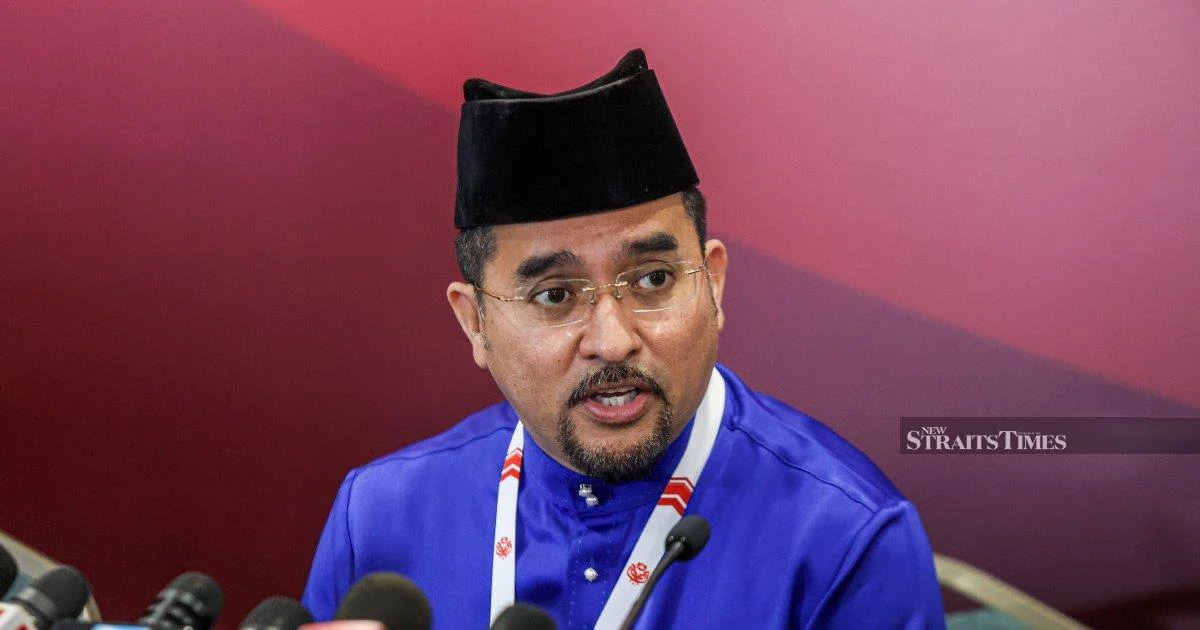
The prolonged wait for Barisan Nasional's candidate slate in the Johor state election stemmed from an unusually rigorous screening mechanism, according to Umno secretary-general Datuk Dr Asyraf Wajdi Dusuki. The coalition chose to implement a comprehensive vetting protocol rather than rush through the nomination process, a decision that reflected institutional caution about the calibre of candidates put forward for public office. This deliberate approach highlighted growing concerns within the party hierarchy about ensuring candidates could withstand electoral scrutiny and deliver effective representation in the legislative assembly.
The vetting system employed by BN appears to have involved multiple layers of assessment, examining not only the professional credentials and political experience of prospective nominees but also their personal standing within constituencies and capacity to win votes. Such scrutiny has become increasingly important for coalitions operating in Malaysia's competitive electoral environment, where candidate selection can make or break party fortunes in individual seats. The announcement delay, while frustrating for party machinery eager to mobilise grassroots support, ultimately served to demonstrate a commitment to fielding serious contenders rather than offering perfunctory choices to voters.
Johor's electoral significance cannot be overstated in Malaysian politics. The state represents a crucial battleground where BN's traditional support base remains substantial, yet opposition parties have made incremental gains in recent years. Selection of candidates therefore carried heightened importance, as each seat carried implications for the coalition's overall parliamentary strength and state government composition. The thoroughness of the screening process reflected awareness that Johor's voters possessed demonstrated expectations for candidate quality and accessibility, making hasty or poorly-considered nominations potentially damaging to BN's brand.
Umno's institutional role as BN's dominant component rendered its secretary-general's statements particularly significant. The party has traditionally exercised substantial influence over candidate selection across multiple states, though coordination within the broader coalition often requires compromise and negotiation with other partners including MCA and MIC. In this instance, the extended vetting period may have involved coordination challenges as various coalition partners voiced preferences and concerns about representation in critical constituencies. Such internal negotiations, while sometimes cumbersome, ultimately reflect democratic processes within political structures.
The timing of the announcement delay raised questions about BN's overall campaign readiness and strategic planning. Malaysian elections operate on compressed timelines once nomination periods commence, leaving parties mere weeks to conduct ground campaigns before polling. Candidate announcement delays consequently compress campaign windows, potentially disadvantaging parties that move slowly relative to better-organised rivals. However, announcing weak candidates creates greater long-term damage than facing temporary campaign handicaps, a calculus that apparently influenced BN's decision-making.
For voters in Johor awaiting clarity about ballot options, the delay extended an already uncertain period preceding state elections. Prospective candidates and party activists similarly experienced extended limbo as they awaited clarity on nomination decisions. Such uncertainty can dampen grassroots enthusiasm and create space for rumour and speculation about internal party dynamics. Conversely, the extended process allowed ample opportunity for public discussion about candidate suitability, with media scrutiny examining previous statements and records of nominated individuals before official announcement.
The stringent approach also reflected demographic and generational considerations within Umno and BN. Party strategists recognised the necessity of fielding candidates capable of engaging younger voters increasingly sceptical of traditional political establishments. Previous instances of candidate appointments that faced public backlash had demonstrated the perils of insufficient vetting in an environment where social media amplifies criticism rapidly. A more careful candidate selection process offered insurance against avoidable scandals or public relations disasters that could undermine broader coalition messaging.
Johor's electoral trajectory over recent state elections provided context for heightened candidate scrutiny. Changes in voter sentiment, demographic shifts, and shifting political allegiances meant that previously reliable constituencies required different approaches to campaign messaging and candidate positioning. The vetting process apparently considered such granular constituency-level factors, assessing not merely whether candidates possessed formal qualifications but whether they understood local issues, commanded respect within communities, and possessed genuine capacity to expand vote share beyond existing party strongholds.
The delay also prompted reflection on BN's internal coordination mechanisms and decision-making efficiency. Coalition governance involves balancing multiple interests and perspectives, sometimes generating friction between centralised party machinery and constituent organisations. Umno's explanation that rigorous vetting caused delays implicitly acknowledged these internal dynamics while positioning the outcome as purposeful rather than chaotic. Whether constituency activists and rank-and-file members viewed the extended timeline as justified deliberation or frustrating bureaucratic sluggishness likely varied considerably.
Looking forward, the candidate selections that eventually emerged from this stringent process would determine whether the thoroughness invested in vetting translated into improved electoral performance. Voter reception of nominees would ultimately validate or challenge the coalition's decision to prioritise careful assessment over rapid announcement. Success would vindicate the deliberate approach; disappointing results would invite criticism that additional time had failed to generate meaningfully superior candidate choices, raising questions about whether excessive caution merely deferred rather than resolved underlying candidate quality concerns.