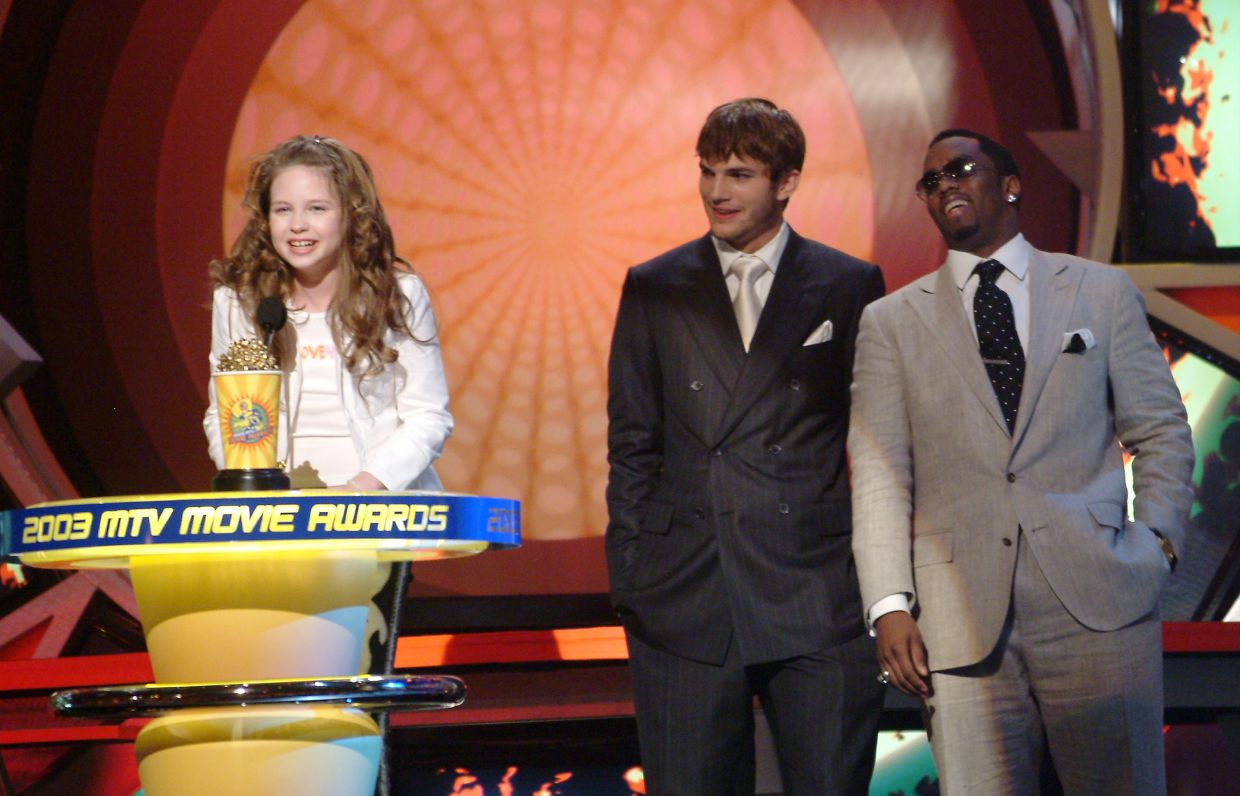
A decades-old video clip featuring music mogul Sean Diddy Combs has resurfaced online, capturing a moment at the 2003 MTV Awards where the producer invites young actress Daveigh Chase to an after-party. The emergence of the footage comes as fresh scrutiny falls on Combs following his July 2025 conviction on federal sex trafficking charges and his subsequent 50-month prison sentence. The clip has drawn particular attention in light of Chase's recent death in June at age 35, prompting renewed examination of his conduct toward young people in the entertainment industry.
Daveigh Chase, the actress best known for her portrayal of the haunting character Samara Morgan in The Ring film franchise, died at a Los Angeles hospital on June 16 from complications stemming from bacterial meningitis and a blood infection. Her father, John Schwallier, revealed that she had also been battling severe malnutrition. Chase's final years were marked by significant hardship, as she struggled with addiction and ultimately found herself living without stable housing near the hospital where she passed away. Her trajectory from child star to tragic circumstances illustrates the darker underbelly of early fame in Hollywood, a system that has come under heightened scrutiny in recent years.
The video in question, recorded at the 2003 MTV Awards, shows Chase receiving the Best Villain award for her role in The Ring, presented alongside actor Ashton Kutcher. Following the presentation, Diddy approached the preteen, holding a drink, and casually asked whether she intended to attend the exclusive after-party. When Chase nodded in response, Combs enthusiastically exclaimed, "Yeah!" while Kutcher appeared to laugh off the interaction. What might have seemed like a throwaway moment at the time now carries troubling implications given subsequent revelations about Combs' conduct and the parties he famously hosted throughout his career.
Combs' reputation has been fundamentally altered by mounting legal consequences and allegations. In September 2024, he was arrested at the Park Hyatt Hotel in Midtown Manhattan as federal agents executed searches related to a sprawling investigation into his business practices and personal conduct. The arrest marked the beginning of the end for the once-untouchable entertainment figure, whose influence in music production and hip-hop culture had spanned decades. The charges that ultimately led to his conviction centred on his organization of what authorities termed "freak-off" parties, elaborate gatherings that allegedly lasted for extended periods and involved the use of drugs and commercial sex workers.
The specifics of Combs' criminal activity paint a disturbing picture of systematic exploitation. Prosecutors presented evidence that he orchestrated multi-day sexual encounters, often involving individuals brought to venues under false pretences or through coercion. The parties, which became the stuff of industry legend and whispered gossip in Hollywood circles, represented what prosecutors characterized as a pattern of human trafficking. Combs' conviction on two counts of transportation to engage in prostitution following the federal sex trafficking trial in New York established that his conduct extended beyond mere excessive partying into criminal exploitation. The conviction represented a significant victory for law enforcement agencies investigating organized sexual abuse within the entertainment sector.
Currently incarcerated at FCI Fort Dix in New Jersey, the 55-year-old Combs faces decades behind bars as he serves his 50-month sentence. Beyond the criminal conviction, the legal challenges continue to mount. More than 100 civil lawsuits have been filed against him, with accusers seeking damages for alleged abuse and exploitation. These civil suits represent a second wave of accountability, as victims and their attorneys pursue financial restitution through the courts. The sheer volume of litigation suggests that Combs' misconduct was neither isolated nor exceptional within his social and professional circles, but rather part of a systematic pattern that operated for years with relative impunity.
The timing of the resurfaced video's circulation carries particular symbolic weight. As Chase's family and admirers grapple with her untimely death, the image of a powerful adult man casually extending an invitation to a child to join an exclusive adult gathering takes on new meaning. While the brief exchange itself may not constitute criminal conduct, it encapsulates the power dynamics and the casual access to vulnerable young people that characterized certain segments of the entertainment industry. Chase's vulnerability would have been apparent to anyone in that MTV Awards venue, yet the interaction proceeded without apparent concern or intervention from those present.
For Malaysian and Southeast Asian entertainment professionals and audiences, Combs' downfall carries lessons about systemic accountability and the dangers posed by concentrations of unchecked power within the industry. The entertainment sector in this region has grappled with its own scandals involving the abuse of power and the exploitation of young talent. Combs' conviction demonstrates that even globally influential figures ultimately face legal consequences when their actions are thoroughly investigated and prosecuted. However, it also raises uncomfortable questions about how many similar situations operate in the shadows, undetected or unreported.
Daveigh Chase's personal struggles in her final years underscore the psychological toll that early child stardom can exact. The exploitation, instability, and access granted to powerful adults during one's formative years may contribute to lifelong vulnerabilities. Chase's descent into addiction and homelessness, despite her significant childhood achievement, reflects a pattern seen among other child stars who navigated exploitative environments. Her death serves as a sobering reminder of the human cost of systems that prioritize entertainment and profit over the protection and wellbeing of young talent.
The emergence of this video represents a broader cultural reckoning with historical footage and conduct that was previously overlooked or normalized. In an era of renewed attention to abuse and misconduct, archival materials are being reexamined through contemporary lenses. What was permitted or tolerated in 2003 is now viewed as deeply inappropriate, if not criminal. This retrospective examination, while sometimes uncomfortable, serves an important function in shifting industry standards and raising awareness about patterns of behaviour that should never have been accepted.
As Combs serves his sentence and navigates the extensive civil litigation ahead, the reverberations of his criminal activity continue to ripple through entertainment and popular culture. The resurfaced video of his interaction with Chase crystallizes the dissonance between his public persona as a celebrated music industry figure and the reality of his exploitation. For young people entering the entertainment industry, particularly in vulnerable positions without family support, Combs' case offers a cautionary example of predatory behaviour that can occur at the highest levels of the profession. Chase's tragic death underscores why the protection of child talent must remain a paramount concern.