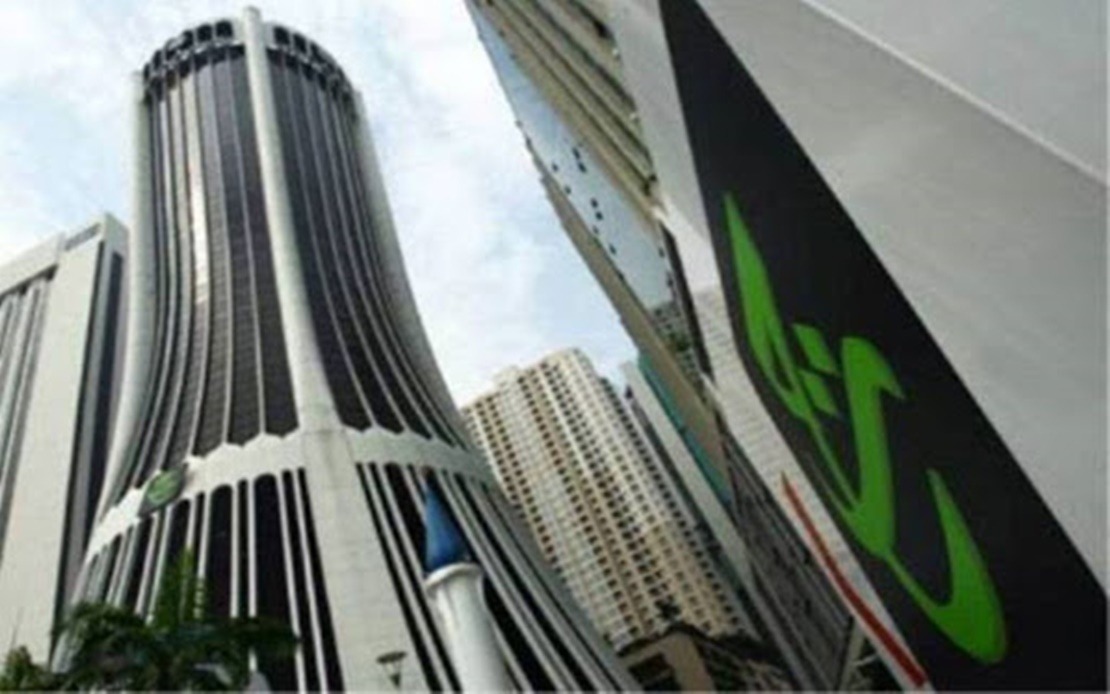
The Royal Commission of Inquiry's examination of Tabung Haji has exposed a troubling gap between how the pilgrimage fund valued its assets and how professional financial institutions ought to approach valuation. Of RM4.6 billion in total property valuations for 2017, only RM556 million was supported by actual valuers' reports, with the remainder resting entirely on estimates produced by TH's own management. This revelation has prompted serious concern among Malaysian economists about the integrity of the institution's financial reporting and the protection afforded to its depositors.
The fundamental problem identified by academics centres on the inherent conflict of interest embedded in self-valuation practices. When an institution's management is tasked with determining the value of its own assets—particularly when those valuations directly influence dividend distributions and reported financial health—the incentive structure encourages optimism rather than prudence. Prof Emeritus Dr Barjoyai Bardai of Malaysia University of Science and Technology emphasised that while management estimates do not necessarily indicate dishonest intent, they lack the independent verification that professional valuers provide. The absence of external scrutiny creates systemic vulnerability to overstating asset values, even if unconsciously.
The practical consequences of inflated valuations extend beyond accounting accuracy into territory that directly affects ordinary Malaysians. Realisable Asset Value, or RAV, forms the basis for calculating hibah distributions—the returns that depositors expect to receive from their pilgrimage savings. When assets are valued optimistically on paper rather than reflecting what they could realistically sell for in the market, TH's managers gain false confidence in the institution's capacity to distribute funds. This can lead to dividend payments that exceed what prudent financial management would support, ultimately drawing down reserves that ought to buffer against future losses and protect depositor claims.
Prof Dr Ahmed Razman Abdul Latiff of Putra Business School identified a cascade of governance failures that permitted this situation to develop unchecked. He argued that the board of directors and audit committees bear responsibility for demanding rigorous scrutiny of management assumptions before accepting them as valid. When figures carry material implications—as RAV calculations do for determining compliance with the Tabung Haji Act 1995—multiple layers of independent review become essential. The fact that such scrutiny apparently did not occur raises uncomfortable questions about how seriously governance bodies took their fiduciary duties toward depositors.
A PricewaterhouseCoopers audit report cited by the RCI revealed that TH management deliberately chose not to use asset and liability values from its own financial statements when calculating profit distributions. Instead, it constructed a separate valuation framework, the RAV, which generated higher asset figures. This dual approach essentially allowed management to present two different versions of institutional health depending on the audience and purpose. Properties included no downward adjustments for investments whose market values had plummeted, further distorting the picture of true financial capacity.
Particularly problematic was the treatment of TH Plantations Berhad, a subsidiary whose RM2.294 billion valuation comprised nearly half of the total RM4.6 billion property asset base. These figures were incorporated into RAV calculations despite lacking independent verification, creating a situation where approximately half of the institution's stated asset value rested on unsubstantiated internal estimates. For a fund managing billions of ringgit in savings from millions of Malaysian Muslims, such opacity represents a serious breach of the transparency that depositors have every right to expect.
TH management's justification for this approach—that Section 22 of the Tabung Haji Act 1995 does not clearly define assets and therefore permits wide discretion in valuation methodology—represents precisely the kind of technical argument that enables evasion of financial governance principles. While legal ambiguity may provide a technical defence, it cannot excuse the failure to adopt more conservative and verifiable practices. The legislative gap that TH identified actually highlights a long-standing vulnerability in the Act's framework that Parliament should have addressed years ago.
The governance failures revealed by the RCI extend to the external audit function itself. Auditors approved financial reports based on management estimates without apparently demanding the level of corroboration that professional standards should require. Prof Dr Ahmed Razman questioned why previous auditors did not flag concerns about TH's valuation practices and the distribution decisions that flowed from them. This audit dysfunction is particularly troubling because external auditors represent the last line of defence for depositor protection, standing between institutional management and the beneficiaries of their decisions.
Economists have proposed concrete remedial measures to prevent recurrence of these governance deficiencies. High-value properties should be independently valued using consistent methodologies supported by verifiable market evidence, rather than relying on management assessment. RAV calculations themselves should be governed by explicit, binding standards that prevent discretionary interpretation. Independent verification by a special committee comprising investment experts and qualified accountants should occur before any figures derived from RAV calculations inform dividend distributions. These measures would embed conservatism and verifiability at every stage of the valuation and distribution process.
The broader context matters for Malaysian financial governance. Tabung Haji is not merely a commercial investment fund; it holds religious and cultural significance as the institution entrusted with managing savings intended for one of Islam's five pillars. The failure to maintain transparent, conservative, and independently verified asset valuation practices violates the trust that depositors have placed in TH. This case illustrates how governance failures in large financial institutions can persist for years, accumulating risk that ultimately threatens depositor security.
The RCI's findings also underscore the importance of institutional independence in oversight functions. Audit committees and boards cannot function effectively when they are captured by the management they supervise. Clear governance protocols, external expertise, and genuine independence must characterise bodies responsible for reviewing material financial assumptions. The 252-page RCI report's detailed documentation of TH's valuation practices represents an opportunity to establish precedent for more rigorous governance standards across Malaysia's financial sector.
Looking forward, Parliament should consider whether the Tabung Haji Act 1995 requires amendment to eliminate the ambiguities that TH exploited. More immediately, TH's new leadership must implement the governance improvements that economists have recommended, treating them not as optional enhancements but as essential restoration of institutional integrity. For the millions of Malaysian depositors whose pilgrimage savings rest with TH, the credibility of asset valuations and dividend distributions must become non-negotiable priorities.

