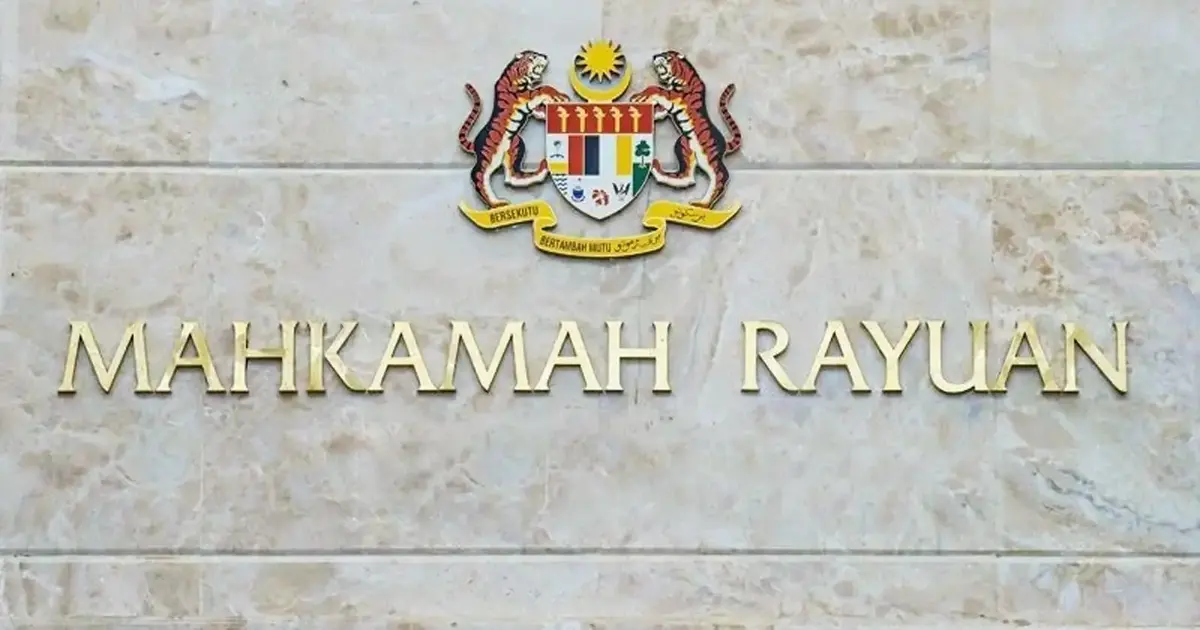
Malaysia's Court of Appeal has delivered a significant ruling on the legal standing of registered societies, determining that such organisations cannot pursue defamation claims in court. The decision, which dismissed an appeal by Pertubuhan Ikram Malaysia, establishes an important boundary around the rights and limitations of registered organisations operating under Malaysian law.
The appeal centred on whether Pertubuhan Ikram Malaysia possessed the legal capacity to bring a defamation suit against parties accused of making damaging statements about the organisation. The Court of Appeal's rejection of this argument rested on a fundamental principle: registered societies, as constituted under Malaysian law, do not possess the legal personality necessary to sue for defamation. This distinction between having a registered status and possessing full legal personality carries significant implications for how such organisations can protect their interests.
Legal personality, a cornerstone concept in corporate and organisational law, grants an entity the right to own property, enter contracts, and pursue legal claims independently of its individual members. The court's reasoning suggests that while registered societies fulfil an administrative and regulatory function within Malaysia's civil society landscape, they have not been granted the equivalent legal standing enjoyed by incorporated entities such as companies or corporations. This creates a meaningful gap in the protections available to membership-based organisations.
The implications of this ruling extend beyond Pertubuhan Ikram Malaysia itself. Across Malaysia, thousands of registered societies—ranging from professional associations and sports clubs to charitable and cultural organisations—now have clearer understanding of their legal boundaries. Any such organisation seeking to challenge allegedly defamatory statements faces the sobering reality that the courts will not recognise them as proper plaintiffs in defamation proceedings, regardless of the merit of their claims or the damage caused to their public standing.
This legal limitation raises practical questions about how registered societies can defend their reputations when faced with false or damaging allegations. While individual members of such organisations may retain personal defamation rights, the organisation as a collective entity cannot mount a unified legal response. This asymmetry potentially leaves organisational interests vulnerable in ways that incorporated bodies would not face, creating an uneven playing field in Malaysia's legal ecosystem.
The distinction between registered societies and incorporated entities becomes particularly significant given the prevalence of such organisations in Malaysian civil society. Religious, cultural, educational, and charitable societies form the backbone of community engagement and social cohesion across the country. The court's determination that these bodies lack sufficient legal personality to protect themselves through defamation law may necessitate legislative review or alternative protections if policymakers determine the current framework inadequately safeguards legitimate organisational interests.
From a comparative perspective, different jurisdictions have adopted varying approaches to this question. Some legal systems have extended defamation protections to unincorporated associations based on their social role and institutional standing, while others maintain the stricter position now reaffirmed by Malaysia's Court of Appeal. The Malaysian position reflects a traditional common law approach prioritising clear structural distinctions between incorporated and unincorporated entities.
The practical effect of this ruling is that registered societies must now consider alternative legal strategies when confronting reputational harm. These might include pursuing claims through individual officers or members, seeking remedies through other causes of action such as conspiracy or injurious falsehood if circumstances permit, or engaging in regulatory complaints through relevant authorities. However, none of these alternatives provides the direct institutional protection that a defamation claim would offer.
The decision also raises questions about the adequacy of Malaysia's regulatory framework for registered societies. The Societies Act, which governs the registration and operation of such organisations, may warrant examination to determine whether the legal personality limitations it imposes continue to serve the intended policy objectives or whether they create unintended disadvantages for legitimate organisations operating in the public interest. Policymakers might consider whether registered societies undertaking significant public functions warrant enhanced legal protections.
For organisations considering their legal structure and registration options, this ruling adds weight to the decision to seek incorporation under the Companies Act as an alternative to registration as a society, particularly if reputational protection is a significant concern. The incorporation route, though potentially more costly and administratively burdensome, provides the full legal personality that courts have now confirmed registered societies do not possess.
The Court of Appeal's decision ultimately reinforces a formal legal distinction that many in civil society may have underestimated. While the immediate impact falls on Pertubuhan Ikram Malaysia, the broader implications for Malaysia's organisational landscape and the adequacy of legal protections for non-incorporated societies deserve continued examination by legal scholars, civil society advocates, and policymakers alike.
This ruling also highlights the importance of statutory clarity in Malaysian law. Organisations considering registration must now understand this limitation from the outset, and those already registered should factor this constraint into their risk management and strategic planning. Whether the current framework remains appropriate for Malaysia's evolving civil society represents a question that may merit legislative reconsideration in due course.