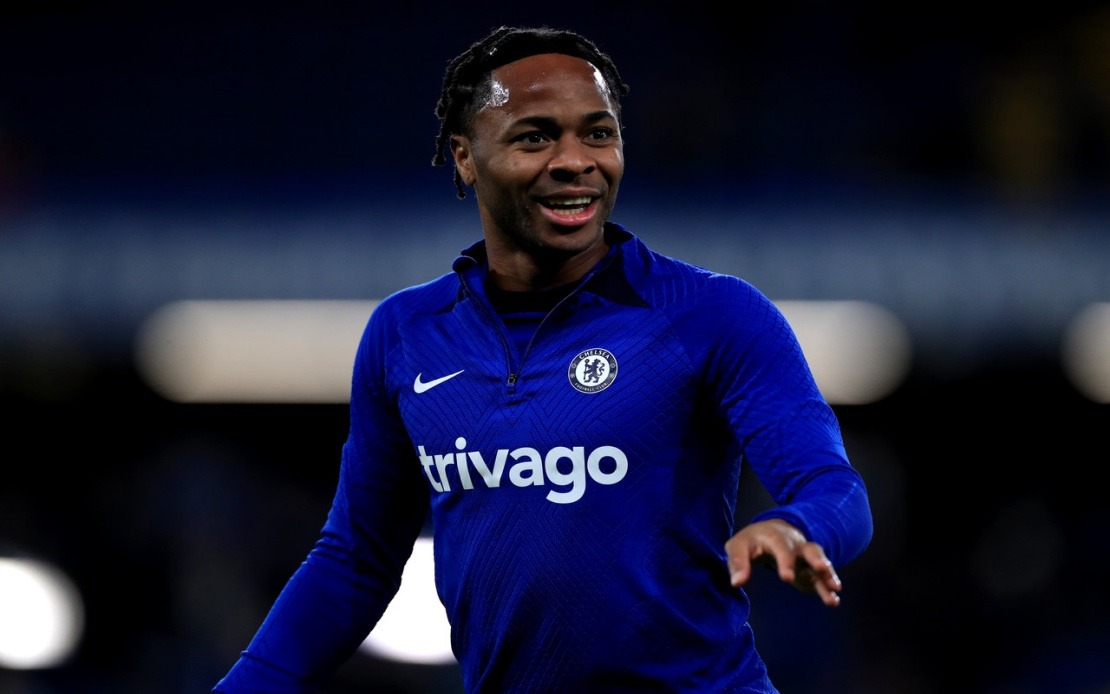
Former England international Raheem Sterling faces serious driving charges stemming from a collision on one of Britain's major transport arteries. Hampshire and Isle of Wight Constabulary confirmed that the 31-year-old has been charged with dangerous driving, possession of nitrous oxide for wrongful inhalation, and failing to provide a specimen following a single-vehicle incident on the M3 southbound near Minley interchange on May 28. The charges represent a significant development for one of British football's most prominent figures, with Sterling now scheduled to appear at Basingstoke Magistrates' Court on September 15 for a preliminary hearing.
The motorway collision involved only Sterling's Lamborghini, and authorities reported that no other vehicles were caught up in the accident and no injuries resulted from the incident. The circumstances surrounding the crash have drawn considerable attention given Sterling's high-profile status within professional football and his well-documented advocacy work beyond the sport. The charges relating to possession of nitrous oxide—commonly known as laughing gas—add a layer of complexity to what initially appeared to be a traffic matter.
Sterling's career trajectory places this incident within the context of an accomplished but recently turbulent period. The Berkshire-based footballer earned 82 caps for England, netting 20 goals across a career representing his country at the highest level. He was integral to Gareth Southgate's squad that advanced to the 2018 World Cup semifinals and reached the Euro 2020 final, demonstrating his importance to the national team during pivotal tournaments. His contributions at international level established him as one of England's key attacking players during a formative era for the side.
His domestic club career has been similarly distinguished, though more recently marked by significant transitions. Sterling progressed through Queens Park Rangers' academy pathway before establishing himself at Liverpool, where he made his senior breakthrough. However, his most successful period came after joining Manchester City in 2015, a move that coincided with his emergence as a world-class talent. During his seven-year association with the English champions, he accumulated four Premier League titles, five League Cups, and an FA Cup medal in 2019, becoming instrumental in Pep Guardiola's tactical system.
The 2022 transfer to Chelsea represented a major relocation in his career trajectory, yet that move has ultimately proven disappointing from a sporting perspective. Following limited opportunities at Stamford Bridge, Sterling secured a loan move to Arsenal for the 2024-25 season, seeking regular competitive football after falling out of favour at his parent club. More recently, he joined Dutch Eredivisie side Feyenoord on temporary terms until the end of the current campaign, extending his search for consistent playing time away from the Premier League.
Beyond his footballing achievements, Sterling has constructed a significant reputation as an advocate for social justice and equality. His commitment to combating racism in sport resulted in formal recognition when he received an MBE in the 2021 Queen's Birthday Honours, an award acknowledging his sustained services to racial equality within the sporting sphere. Sterling had been prominent in supporting players taking the knee before matches as an anti-racism gesture, remaining vocal even as the gesture attracted controversy, with some England supporters booing during matches.
This public activism positioned Sterling as one of football's more socially conscious voices, lending weight to his campaigns against discrimination that extended beyond the pitch into broader conversations about tolerance and inclusion. His willingness to speak openly against racism—both systemic and individual—distinguished him from many of his contemporaries and established him as an influential figure in contemporary football culture. The MBE recognition represented institutional acknowledgment of these efforts during a period of heightened national debate about equality in sports.
The charges now pending create a stark contrast with Sterling's carefully cultivated public image as a progressive voice on social matters. Legal proceedings of this nature typically generate intense media scrutiny, particularly when the defendant possesses Sterling's public prominence and established brand identity. The timing, occurring during a period when his career has already experienced significant disruption, adds further complexity to an already complicated situation.
For Malaysian and Southeast Asian observers, Sterling's situation illustrates the consequences that high-profile athletes face when confronted with serious legal matters. While football remains a source of national pride and cultural investment across the region, the conduct of celebrated players ultimately reflects back on the sport itself and the institutions that support them. The outcome of Sterling's forthcoming court appearance will likely influence broader conversations about athlete accountability and the gap between public persona and private conduct.
The September 15 hearing will determine whether Sterling's case proceeds to more serious judicial consideration or whether matters might be resolved at the magistrates' level. Depending on the severity of any potential conviction, consequences could extend beyond legal penalties to encompass his professional standing and sponsorship arrangements. For now, Sterling's immediate focus must rest on addressing the charges through the legal system, with his footballing future remaining secondary until these matters reach resolution.

