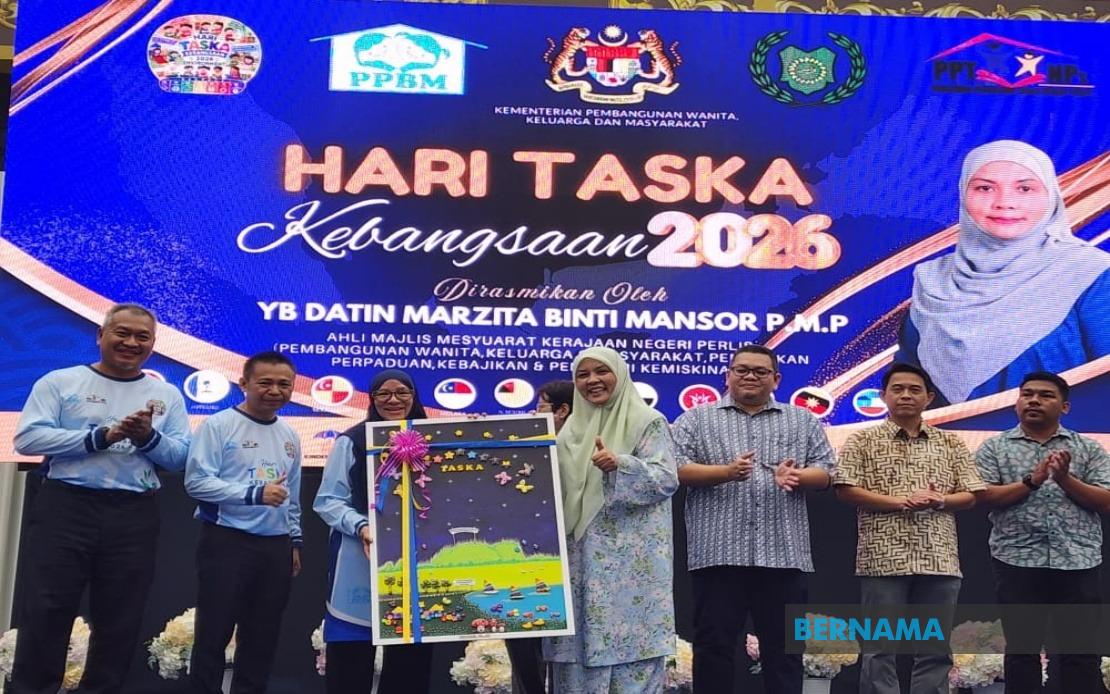
The Association of Registered Childcare Providers Malaysia has called for a fundamental shift in how the nation approaches early childhood care, emphasizing that quality provision must be grounded in the principles of the Convention on the Rights of the Child and reflected across all childcare facilities. Speaking in Kangar during the 2026 National Childcare Day celebration, Adjunct Professor Norsheila Abdullah argued that protecting children's dignity and ensuring their voices are heard must become central to how providers, families and communities support the nation's youngest citizens.
Datin Marzita Mansor, chairman of the Perlis Women, Family and Community Development, Education, Unity, Welfare and Poverty Eradication Committee, officiated the event themed "The Environment as a Driver of Holistic Child Development", signalling government commitment to raising childcare standards. The observance provides an opportunity to examine how Malaysian childcare practices align with international child protection standards and to evaluate whether the sector is truly meeting children's developmental needs.
Norsheila outlined a comprehensive vision of quality childcare that extends substantially beyond the traditional focus on nutrition, sanitation and physical health. She stressed that genuine quality encompasses creating protective environments, fostering positive relationships between caregivers and children, providing emotional support during formative years, delivering enriching learning experiences, and consistently treating each child with respect for their individual worth and emerging autonomy. This broader framework recognizes that children are not passive recipients of care but active agents with inherent rights that deserve institutional recognition.
The president emphasized the critical distinction between merely tending to children's immediate physical needs and actively safeguarding their holistic development. The question childcare providers must ask themselves has shifted from simply confirming that children have been fed and kept clean to ensuring they have been meaningfully protected, genuinely respected, genuinely listened to, and afforded opportunities to grow as distinct individuals. This reframing reflects evolving international understanding that early childhood experiences profoundly shape lifelong outcomes across educational, psychological and social dimensions.
Providing safe, welcoming, inclusive and intellectually stimulating environments for children represents a collective undertaking rather than a responsibility limited to childcare facilities. Norsheila framed environmental quality as integral to fulfilling children's fundamental rights, positioning it as a shared obligation across multiple sectors of society. This perspective invites policymakers, childcare operators, parents, extended families, community organizations and broader society to recognize their roles in creating conditions where children thrive.
The PPBM leader urged all stakeholders to consistently prioritize the best interests of children when making decisions or taking actions that affect them. This principle, drawn from international child rights frameworks, requires moving beyond convenience or cost-cutting measures to ensure that choices genuinely serve children's development and protection. Whether decisions concern curriculum design, facility layout, staff recruitment or family engagement policies, the lens must remain focused on what ultimately benefits the child.
Norsheila specifically called for translating the concept of "no child left behind" into practical childcare operations through intentionally inclusive environments that recognize and respond to the diverse needs of all children. This includes ensuring that children requiring additional developmental support, whether due to disabilities, learning differences, trauma, or other factors, receive appropriate accommodations and expertise rather than being marginalized. Inclusive childcare strengthens social cohesion while ensuring vulnerable children access support during critical developmental windows.
Safeguarding children from abuse, neglect and hazards remains non-negotiable and requires constant vigilance from everyone involved in childcare. Norsheila emphasized that all personnel must develop capacity to recognize warning signs of harm and understand their responsibilities to intervene appropriately and report concerns through proper channels. Creating a protective environment demands both physical safety measures and emotional security, with children needing reassurance that trusted adults will shield them from danger.
Research consistently demonstrates that children who develop within secure, nurturing environments establish substantially stronger foundations for physical health, emotional resilience, social competence, cognitive development, language acquisition and character formation. These early years create trajectories that influence educational achievement, mental health, social relationships and economic participation throughout adulthood. Norsheila positioned investment in early childhood development not merely as social policy but as strategic nation-building, recognizing that today's young children become tomorrow's workforce, leaders and citizens.
The emphasis on childcare quality and rights protection arrives amid growing recognition in Southeast Asia that early childhood development significantly influences national competitiveness and social stability. Malaysia's approach to standardizing and elevating childcare practices could establish regional leadership in child-centered care models. By embedding rights-based principles throughout the childcare sector, Malaysia signals commitment to developing citizens who understand and uphold human dignity from the earliest ages, fostering a culture increasingly centered on respect, inclusion and protective care.

