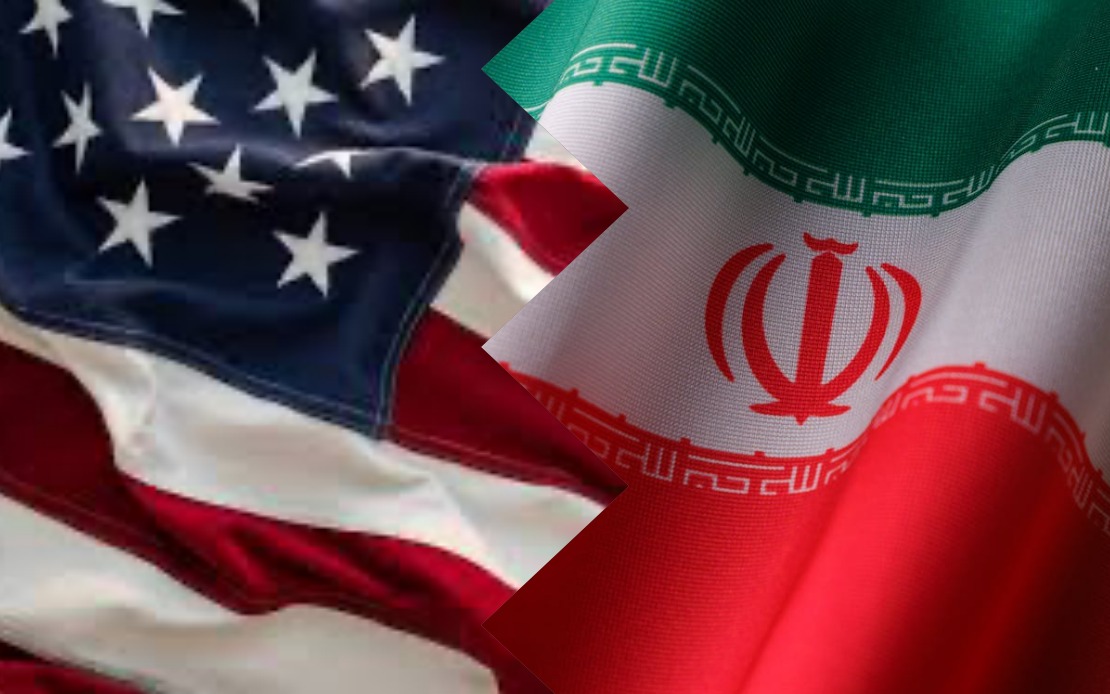
Qatar and Pakistan have announced that indirect negotiations between United States and Iranian representatives held in Doha have produced what both mediators characterised as encouraging headway on key issues. The development represents a continuation of diplomatic efforts aimed at resolving longstanding tensions between Washington and Tehran, with the talks specifically addressing matters outlined in the Islamabad Memorandum of Understanding that emerged from the Lake Lucerne Summit.
The Qatar Foreign Ministry, through spokesman Majed Al Ansari, confirmed that separate meetings with each delegation concluded on Wednesday with positive momentum on substantive issues. This arrangement—where mediators shuttle between the two sides rather than holding face-to-face encounters—remains a delicate but functional mechanism for maintaining dialogue between nations without direct engagement. The structure reflects the persistent sensitivities surrounding broader US-Iran relations and the need for careful diplomatic choreography.
The timing of these negotiations carries particular significance given recent regional developments. The talks come at a moment when both governments face domestic pressures and external scrutiny regarding their foreign policy directions. For the United States, engagement with Iran through intermediaries allows the administration to explore diplomatic pathways while managing domestic political considerations. Meanwhile, Iran's participation signals willingness to maintain communication channels despite broader geopolitical tensions that have characterised their relationship for decades.
The role of Pakistan as a co-mediator alongside Qatar underscores the importance of trusted regional actors in facilitating high-stakes negotiations. Pakistan's historical relationships with both Washington and Tehran position it as a credible intermediary, while Qatar's established reputation as a neutral ground for hosting sensitive talks has proven valuable in numerous international disputes. Together, these nations provide an institutional framework that allows both sides to explore common ground without appearing to capitulate to the other party's demands.
The Islamabad Memorandum of Understanding that serves as the focal point for these discussions represents an attempt to establish parameters for bilateral engagement on specific issues. Rather than seeking comprehensive resolution of all outstanding differences—an admittedly unrealistic goal given their historical grievances—the approach targets discrete areas where incremental progress might be achievable. This pragmatic methodology reflects lessons learned from previous diplomatic initiatives that foundered when expectations exceeded what either side could realistically deliver.
The Lake Lucerne Summit referenced in the statement presumably established the broader diplomatic framework within which these Doha discussions operate. Such summits typically involve multiple stakeholders and aim to create international consensus around negotiating principles and objectives. The continuation of discussions in Doha represents the translation of those high-level commitments into practical negotiations where technical details and specific terms can be hammered out through sustained engagement.
Both delegations have reportedly agreed to maintain the momentum of these talks, with plans to schedule subsequent meetings at the earliest feasible opportunity. However, the announcement notes that the immediate pause in negotiations will extend through the funeral processions of former Iranian Supreme Leader Ali Khamenei, reflecting both diplomatic courtesy and the practical reality that Iran's political establishment will be consumed with state ceremonies and succession arrangements during this period.
Khamenei's death on February 28 from what Iran attributed to an Israeli airstrike marked a dramatic escalation in regional tensions and created uncertainty about Iran's political direction and foreign policy orientation. The funeral ceremony scheduled for Friday will bring together Iranian leadership and potentially international delegations, offering another opportunity for informal diplomatic contacts and signals about each side's intentions. The decision to pause formal negotiations during this period acknowledges the disruption caused by the transition process within Iran's political system.
For Malaysia and the broader Southeast Asian region, these developments carry implications for regional stability and the international order. The Middle East's geopolitical realignment has direct consequences for trade routes critical to Southeast Asian commerce, energy security, and the balance of great power competition in Asia. Diplomatic progress between the United States and Iran, even incremental, contributes to reducing the risk of escalation that could destabilise international shipping lanes and energy markets upon which regional economies depend.
The mediation efforts by Qatar and Pakistan also demonstrate the continuing relevance of traditional diplomacy and the value of regional actors maintaining independent relationships with major powers. This model offers lessons for Southeast Asian nations navigating their own complex great power dynamics. The willingness of both the United States and Iran to engage through intermediaries, despite their profound disagreements, suggests that dialogue channels remain open even during periods of heightened tension.
The success of these Doha talks will likely depend on whether the Islamabad Memorandum of Understanding contains sufficiently concrete and achievable elements that both sides can claim as victories. Vague principles and broad agreements tend to collapse when implementation requires specific concessions or behavioural changes. The coming months will reveal whether the "positive progress" announced reflects genuine convergence on substantive matters or primarily represents agreement on procedural and framework issues.
As negotiations resume following the conclusion of Iranian state ceremonies, the diplomatic community will be watching closely for signals about the direction of US-Iran relations under new Iranian leadership. The continuity of these talks suggests that neither side wishes to allow the transition period to derail engagement efforts, though substantive movement on major issues remains uncertain. For Malaysia and Southeast Asia, maintaining awareness of these developments remains important given their potential ramifications for regional peace and prosperity.

