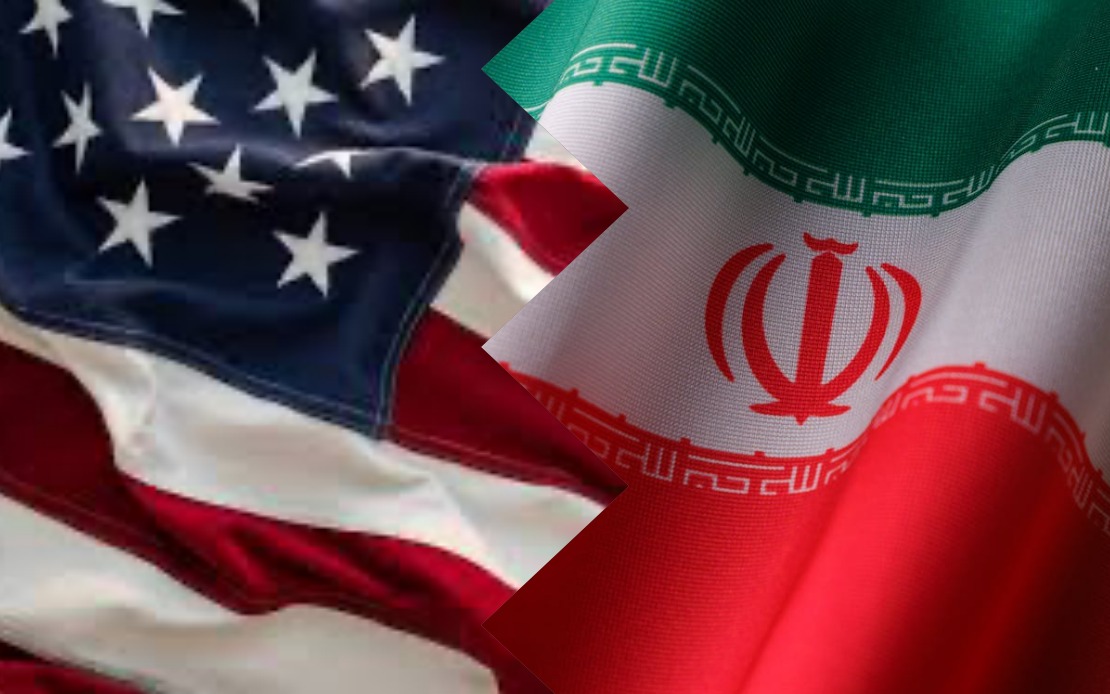
Qatar has stepped forward as a diplomatic mediator in the fractious relationship between the United States and Iran, urging its Gulf neighbours to present a united front in implementing a contested memorandum of understanding between the two powers. Prime Minister and Foreign Minister Sheikh Mohammed bin Abdulrahman Al Thani initiated separate conversations with his counterparts across the United Arab Emirates, Saudi Arabia, Kuwait, Oman and Bahrain to advance this agenda, according to statements from Qatar's Foreign Ministry.
The series of diplomatic engagements underscore Qatar's historical role as a bridge-builder in a region repeatedly destabilized by US-Iranian rivalry. Rather than viewing the memorandum as a bilateral matter between Washington and Tehran, Doha has positioned it as a Gulf-wide concern requiring coordinated regional response. This approach reflects the interconnected security architecture of the Arabian Peninsula, where escalations between the two regional powers inevitably reverberate across smaller Gulf nations.
At the heart of these consultations lies the question of freedom of navigation through the Strait of Hormuz, one of the world's most critical chokepoints for global energy trade. Al Thani emphasized that maintaining passage rights through these strategic waters remains essential to regional security architecture. The strait's significance extends well beyond the Gulf itself—disruptions to shipping through these waters would send commodity shockwaves across Asia, affecting economies from Japan to South Korea to Malaysia, making this a genuinely pan-regional concern.
The memorandum that Qatar seeks to strengthen originated from months of escalating military confrontation. Beginning in February, coordinated US and Israeli military strikes against Iranian targets initiated a cycle of retaliation that threatened to spiral into full-scale conflict. Iran responded with direct attacks on multiple countries across the Middle East, dramatically raising the temperature of an already volatile region and prompting urgent international mediation efforts.
By April, the intensity of the military standoff had prompted both Washington and Tehran to agree to a ceasefire, signalling that neither side desired unlimited escalation despite their fundamental strategic competition. This fragile truce led to the negotiation of a Pakistan-mediated memorandum in June, which both nations signed with the stated intention of terminating their military conflict and establishing a durable peace framework. The agreement represented a rare diplomatic breakthrough in a relationship characterized by decades of hostility and suspicion.
However, the agreement's durability proved shorter than many observers hoped. By July, the memorandum had unraveled, with both the US and Iran resuming military operations against each other. Nearly two weeks of renewed hostilities demonstrated the fragility of understandings reached between adversaries whose core interests remain fundamentally misaligned. This collapse illustrates why regional powers like Qatar view Gulf-wide coordination as essential—no bilateral accord can endure without supporting frameworks from neighbouring states.
Qatar's diplomatic intervention carries particular weight given its established relationships across the Gulf and its track record hosting negotiations between regional rivals. By personally engaging multiple Gulf governments simultaneously, Al Thani sought to prevent any single nation from being isolated or exploited as tensions resurface. The emphasis on sustained commitment to dialogue reflects recognition that military solutions have repeatedly failed to resolve the underlying US-Iran competition.
For Malaysia and Southeast Asia more broadly, these developments carry significant implications beyond regional geopolitics. The Strait of Hormuz handles roughly one-third of the world's maritime-traded oil and liquified natural gas. Any serious disruption to shipping through these waters would immediately affect energy prices and supply chains across Asia. Malaysian manufacturers, refineries, and energy-dependent industries maintain direct exposure to whatever security arrangements emerge from this diplomatic process, making the success or failure of Qatar's coordination efforts a matter of indirect but genuine Malaysian concern.
The collapse of the June memorandum raises difficult questions about whether diplomatic solutions can succeed when the underlying incentive structures favour continued confrontation. Both the US and Iran possess military capabilities sufficient to inflict significant damage but insufficient to achieve decisive victory—a stalemate condition that theoretically favours negotiated settlement. Yet the agreement's rapid unraveling suggests deeper structural obstacles to sustainable peace, potentially including domestic political pressures within both countries pushing hardliners to reject compromise.
Qatar's broader diplomatic strategy also reflects the interests of smaller Gulf states that lack the military capacity of Saudi Arabia or the oil wealth concentration of the UAE. By promoting coordinated regional responses, Doha positions itself and similarly-sized neighbours as indispensable participants in any Gulf security framework, rather than passive observers of great power competition. This assertion of regional agency becomes increasingly important as global powers compete for influence across the Middle East and Indian Ocean.
The emphasis on reinforcing stability and safeguarding recent gains, despite the agreement's collapse, suggests that Qatar views the current situation as salvageable through renewed diplomatic pressure rather than cyclical and irreversible deterioration. Whether this optimism proves justified will depend substantially on whether the other Gulf states coordinate their diplomatic messaging and policy approaches as Al Thani has urged. Fragmented or contradictory positions from individual Gulf nations would likely undermine any renewed implementation efforts.
Moving forward, the success of Qatar's coordination initiative hinges on whether it can transform what remains a fundamentally bilateral US-Iranian dispute into a regionalized framework where Gulf states collectively enforce compliance with agreed principles. This requires not only diplomatic skill but also genuine consensus among Gulf governments regarding both the memorandum's value and the consequences for non-compliance—a challenging consensus to maintain given the competing interests and strategic alignments within the Gulf itself.

